Two Pets Where You're Really Buying a Pair
On This Page▾

The hamster is a lesson in solitude, one per cage, always. These two small mammals teach the exact opposite lesson, and it's worth understanding before you bring just one home.
Degu: Social, Day-Active, and Prone to a Very Specific Problem
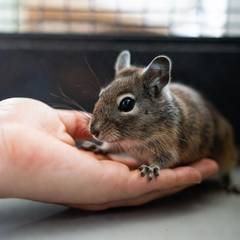
A degu left alone doesn't just get lonely, it gets genuinely stressed and starts showing it through anxious or aggressive behavior. Pair that with this species' unusual, well-documented predisposition toward diabetes, one bite of fruit isn't harmless the way it would be for most small pets, and the degu turns out to be a far more specific animal to keep well than its cute, chirpy reputation suggests.
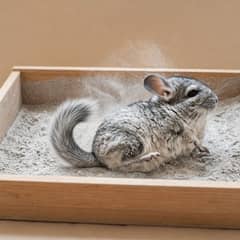
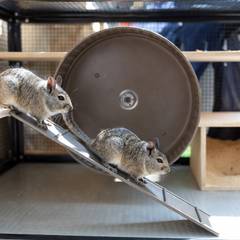
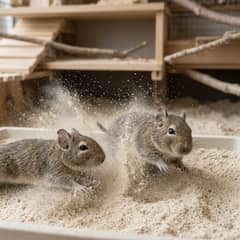
The diabetes risk sets the menu. Degus are highly prone to the disease, so the core diet is unlimited grass hay plus a measured portion of plain degu or chinchilla pellets with no molasses, sugar or dried fruit, topped with a little leafy green or safe herb. Fruit is off the list entirely, treats included. Housing is the other surprise: a tall, multi-level cage, at least about 28 inches high for a pair and closer to 3 feet when you can, with solid floors instead of wire, a deep digging area, wood to gnaw, and a chinchilla dust bath offered two or three times a week. Degus tolerate heat poorly, so the cage belongs out of direct sun in the coolest room of the house. The commitment runs 5 to 9 years, long for a rodent this size.
Degu Cost · Handling · Health Issues · Enclosure Setup
Gerbil: The Other Social, Daytime Rodent
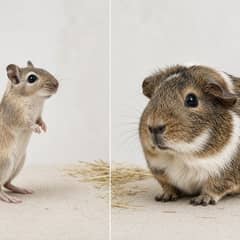
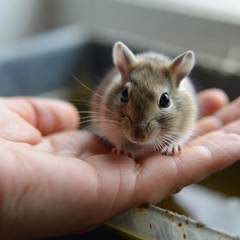
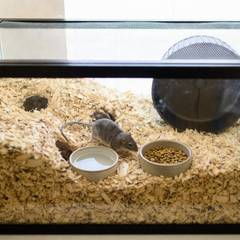
Gentle, social, and active on a schedule that matches yours. Like the degu, a solitary gerbil is a stressed gerbil, and like the degu, the setup this species needs surprises people, deep digging substrate in a real glass tank, not the shallow-bedded wire cage often marketed for small rodents.
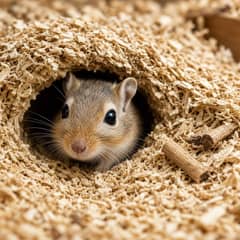
Digging is the whole reason. Wild Mongolian gerbils build burrows 2 to 3 feet long in soft soil and spend most of their time in them, and given the chance, pet gerbils build extensive tunnel systems of their own. A family group shares one burrow in the wild, a dominant breeding pair with its offspring helping to raise the next litter, which is why a lone gerbil does so poorly. The species comes from the deserts and arid steppes of Mongolia and northern China, and it shows: gerbils resist heat stress and dehydration well and pass very little urine, so a gerbil tank needs cleaning less often than a hamster cage. The flip side of all that is a short life, 2 to 3 years.
Gerbil Cost · Handling · Health Issues · Enclosure Setup
The Common Thread
Both of these animals get shopped for with a hamster-shaped mental model, buy one, house it alone, done. Neither one works that way. Both are obligately social, both are active during the day rather than at night, and both need a same-sex pair or small group from the start to thrive. If you're set on a solitary small pet, a hamster is the better fit. If you want two animals that interact with each other and with you, either of these is a real option, just plan for two from day one.
Neither of these is a "starter pet" in the low-effort sense they're often marketed as. Both are genuinely rewarding animals once housed properly, the gap between the common version of their care and the correct version just happens to be wider than most new owners expect going in.
Last reviewed 10 Aug 2026 · 3 sources
Frequently Asked Questions
Can you keep just one degu or one gerbil?
No, not well. Both species are obligately social, and a solitary animal of either kind becomes stressed rather than simply lonely. Plan for a same-sex pair or small group from the start.
What's the one health risk specific to degus that gerbils don't share?
Diabetes. Degus have a genuine genetic predisposition toward it, and even small amounts of fruit or sugary treats can trigger the disease, a far stricter dietary rule than most small pets need.
Do degus and gerbils need the same kind of enclosure?
No. Degus need height and climbing room in a tall, solid-floored cage. Gerbils need genuine digging depth, 6 to 10 inches or more, in a glass tank a wire cage simply can't hold.



Written by Michael Ryan
Mike keeps two rescued bearded dragons, Dex and Cera, and writes the care guides on BeastlyFacts from his own research and mistakes. He is not a veterinarian.
More about Michael Ryan →You May Also Like


Subscribe - it's free
An occasional email when something new is worth your time. No spam.
Deep Dive
Health and More