Common Degu Health Issues (Diabetes Is the One to Really Understand)
On This Page▾

Degus carry one health risk that's unusual among small pets, and understanding it should shape your entire approach to feeding this species from day one.
Diabetes Mellitus
This is the defining health issue for degus specifically. Unlike most small mammals, degus have a genuine genetic predisposition toward diabetes, they are naturally insulin-resistant, and even small amounts of fruit, carrot, peas, corn, or sugary treats can trigger the disease. Veterinary literature specifically flags degus as a species where this predisposition creates real, ongoing management challenges.
Watch for: increased drinking and urination, weight changes, cloudy eyes from cataracts, thinning coat, and lethargy.
See a vet at the first sign. Once diabetes develops, it can be managed but not cured, and prevent it entirely with a strict sugar-free, fruit-free diet built around hay and a low-sugar pellet.
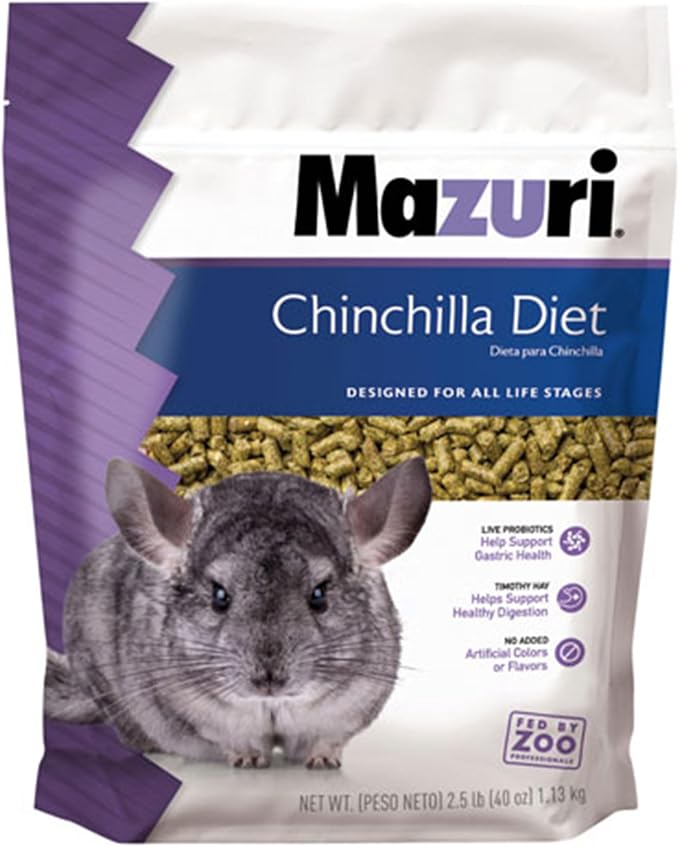
Most small mammals can handle the occasional bite of fruit without consequence. Degus genuinely can't, their natural insulin resistance means the same treat that's harmless for a hamster or gerbil is a real diabetes trigger for a degu, which is why this species' diet needs to be stricter than the "everything in moderation" approach that works for most small pets.
Dental Disease
The most common reason degus actually see a vet. Continuously growing teeth need constant wear from gnawing and hay consumption, and molar malocclusion specifically is the most frequently diagnosed dental disorder in this species.
Watch for: drooling or a wet chin, dropping food while eating, weight loss, and watery eyes, healthy degu teeth should look orange, not white.
See a vet, treatment typically means filing under anesthesia. Prevent with unlimited grass hay and genuine gnawing material.


Bumblefoot (Pododermatitis)
Red, swollen, or scabbed footpads from standing on wire flooring. Manageable at home early by switching to solid flooring, an infected case needs a vet.
Respiratory Infection
From dusty bedding, ammonia buildup, or poor ventilation. See a vet, and prevent with low-dust bedding and regular, thorough cleaning.

Heatstroke
Degus tolerate heat poorly and should be kept below about 77°F, out of direct sun. This is an emergency.
Two More to Know About
Vitamin A deficiency and liver disease are two more conditions degu keepers should learn to recognize, alongside diabetes, tail loss, heat stroke and respiratory infection. Degus are a relatively new pet species and the veterinary picture is still filling in, which is the argument for registering with an exotics vet who actually sees them rather than finding one during an emergency.
The Husbandry Pattern Worth Remembering
Sugar and fruit in the diet cause the diabetes that's genuinely this species' signature health risk. Insufficient hay causes the dental disease that's the most common reason for a vet visit. Wire flooring causes bumblefoot. And dusty bedding causes respiratory infection. Diet discipline specifically, more than with almost any other small pet, is the single biggest lever for keeping a degu healthy long-term.
When to See a Vet
See a vet immediately for signs of heatstroke or a sudden increase in drinking and urination, don't wait on either. Book a routine visit promptly for drooling or dropped food, a footpad sore that isn't improving, or persistent lethargy.
If you're also weighing a gerbil, its most common health issue looks nothing like this one: the gerbil health issues guide has it, and Two Pets Where You're Really Buying a Pair sets the two side by side.
Sources & Further Reading
Last reviewed 15 Sep 2026 · 4 sources
- Morel, M. and Hollwarth, A. (2024). Diabetes mellitus in degus: diagnosis, management and care. Improve Veterinary Education.
- Ardiles et al. (2013). Octodon degus: A Model in Comparative Biology and Biomedicine. Cold Spring Harbor Protocols.
- Long, C.V. (2012). Common dental disorders of the degu (Octodon degus). Journal of Veterinary Dentistry, 29(3), 158-165. 137-case study.
- RSPCA: Degu Health
❓ Frequently Asked Questions
Why are degus so prone to diabetes?
They're naturally insulin-resistant, with a genetic predisposition toward diabetes that most small mammals don't share. Even small amounts of fruit, carrot, peas, corn, or sugary treats can trigger the disease, and veterinary literature flags the species as one where that predisposition creates real, ongoing management challenges.
What are the signs of diabetes in a degu?
Increased drinking and urination, weight changes, cloudy eyes from cataracts, thinning coat, and lethargy. Once diabetes develops it can be managed but not cured, so prevention through a strict sugar-free, fruit-free diet matters far more than with most pets.
What's the most common reason degus see a vet?
Dental disease. Molar malocclusion is the most frequently diagnosed dental disorder in degus, and the signs are drooling or a wet chin, dropped food, weight loss, and watery eyes. Healthy teeth look orange, not white.
What causes bumblefoot in degus?
Standing on wire flooring, which causes red, swollen, or scabbed footpads. It's manageable at home early by switching to solid flooring, but an infected case needs a vet.
How hot is too hot for a degu?
Above about 77°F. Degus tolerate heat poorly and should stay below that, out of direct sun. Heatstroke here is an emergency.
🛒 Recommended Gear
As an Amazon Associate, we earn from qualifying purchases through the links above - at no extra cost to you.

Written by Michael Ryan
Mike keeps two rescued bearded dragons, Dex and Cera, and writes the care guides on BeastlyFacts from his own research and mistakes. He is not a veterinarian.
More about Michael Ryan →Comments
No comments yet - be the first!