Gerbil Enclosure Setup: Depth Is Everything
On This Page▾

Gerbil care comes down to one detail more than any other: providing deep substrate for a species built to dig real tunnels, not just burrow superficially.
Enclosure Type and Size
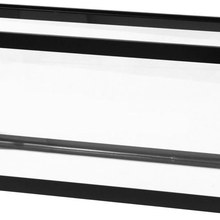
A glass aquarium with a secure wire-mesh lid is the right choice here, not a wire cage, wire construction simply can't hold the depth of bedding this species needs. A 20-gallon long tank works as a minimum for a pair, a 40-gallon breeder, roughly 36 by 18 by 16 inches, is genuinely the better target. Add more space for each additional gerbil beyond a pair.
Temperature
Normal room temperature, 65 to 75°F, suits this species well without any special heating or cooling.
Humidity
Keep it below 40%, with good ventilation. This is a species adapted to naturally arid conditions, and excess humidity causes coat matting and skin issues. Two numbers are worth separating here: above 50% is where gerbils start developing nasal dermatitis, and below 40% is the level that prevents it.
Substrate: The Defining Requirement
This deserves real emphasis, since it's the most commonly under-delivered element of gerbil care. Provide 6 to 10 inches of digging depth at minimum, some welfare-focused sources recommend even more, so your gerbils can build real tunnel systems, not just surface-level burrows. A mix of aspen shavings and paper-based bedding, with some hay worked in, holds tunnel shape well.
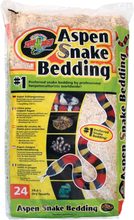
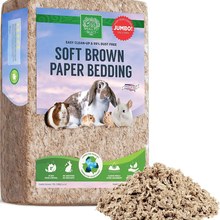
6 to 10 inches is the floor, not the ceiling, on how deep this substrate should run, and it's a different scale than what most starter kits ship with. A gerbil digging in 2 inches of shavings on a glass floor is going through the motions of a behavior it can't actually complete, real tunnel-building needs real depth to work with.
Avoid cedar entirely (its natural oils are toxic to this species), skip aromatic non-kiln-dried pine, and avoid scented bedding and fluffy cotton-style nesting material, which can cause blockage or entanglement.
Lighting
A normal day and night cycle is all this species needs, no UVB requirement.
The Non-Obvious Requirements
A solid-surface exercise wheel, 8 inches minimum, 10 to 12 inches is better, a solid wheel sized this way works well, wire-rung wheels are a real injury risk. Keep some old, familiar-smelling nesting material aside during cage cleanouts and reintroduce it afterward, gerbils are strongly scent-driven, and a completely fresh-smelling environment after a full clean can cause temporary stress or even conflict between cage mates. Provide constant untreated wood or cardboard for gnawing alongside the depth this species genuinely needs to feel secure.

Rounding Out the Enclosure
Once the substrate depth and tank type are right, the rest of gerbil housing is fairly forgiving.
The degu enclosure setup guide covers a social, day-active rodent that needs height and climbing room over digging depth, the opposite priority to a gerbil's, and Two Pets Where You're Really Buying a Pair has the short version.
Sources & Further Reading
Last reviewed 14 Sep 2026 · 3 sources
❓ Frequently Asked Questions
What size tank does a gerbil pair need?
A 20-gallon long is the minimum for a pair, though a 40-gallon breeder, about 36 by 18 by 16 inches, is the better target. Add space for each gerbil past two.
Why do gerbils need a glass tank instead of a wire cage?
Wire construction simply can't hold the depth of bedding this species needs. A glass aquarium with a secure wire-mesh lid is the right choice, letting gerbils build real tunnel systems rather than shallow surface burrows.
How deep should gerbil bedding be?
6 to 10 inches of digging depth at minimum, and some welfare-focused sources go further, so a pair can build real tunnels instead of surface burrows. It is the most commonly under-delivered part of gerbil care.
What humidity level do gerbils need?
Below 40%, with good ventilation. This is a species adapted to naturally arid conditions. Above 50% they develop nasal dermatitis, the sore-nose condition, and 40% is the figure that prevents it rather than the one that triggers it.
Should you fully clean out a gerbil tank at every bedding change?
No. Set aside some old, familiar-smelling nesting material and put it back after the clean. Gerbils go by scent, and an environment that smells entirely new can cause temporary stress or even conflict between cage mates.
📰 More on the Gerbil
🛒 Recommended Gear
As an Amazon Associate, we earn from qualifying purchases through the links above - at no extra cost to you.
Written by Michael Ryan
Mike keeps two rescued bearded dragons, Dex and Cera, and writes the care guides on BeastlyFacts from his own research and mistakes. He is not a veterinarian.
More about Michael Ryan →Comments
No comments yet - be the first!