Chinchilla Feeding: Schedule, Diet, and Why They Stop Eating
On This Page▾

A chinchilla eating its own droppings overnight isn't a quirk to discourage, it's how this species finishes digesting a very fibrous diet, and it shapes a lot of what "normal" looks like at the food bowl.
Feeding Schedule
Adults get free-choice grass hay, timothy, orchard grass, meadow, or oat hay, available 24/7 and refreshed daily, discard anything uneaten to avoid mold. On top of that, 1 to 2 tablespoons a day of a plain, chinchilla-specific pellet, given once daily or split morning and evening. This specific range is close to an actual consensus figure, independently stated across multiple veterinary organizations, a rarity in exotic pet feeding research.
Kits nurse from the mother and may start nibbling hay and pellets before it's nutritionally necessary. Weaning happens around 8 weeks, provided the kit has also reached a minimum weight, roughly 200 grams. Keep treats to a small fraction of the diet, a few times a week rather than daily, sources vary on the exact ceiling, somewhere under 5 to 10% of total intake.
What Chinchillas Eat
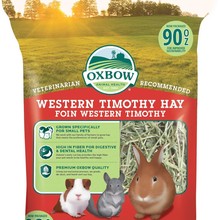
Unlimited grass hay is the single most important item, both for digestion and for the continuous tooth wear this species needs. It must be dust-extracted and mold-free. On top of that, a small daily ration of chinchilla-specific pellets, ideally close to pure hay pressed into pellet form, though many commercial pellets add fillers. Chinchilla-specific pellets are preferred over rabbit or guinea pig formulas.
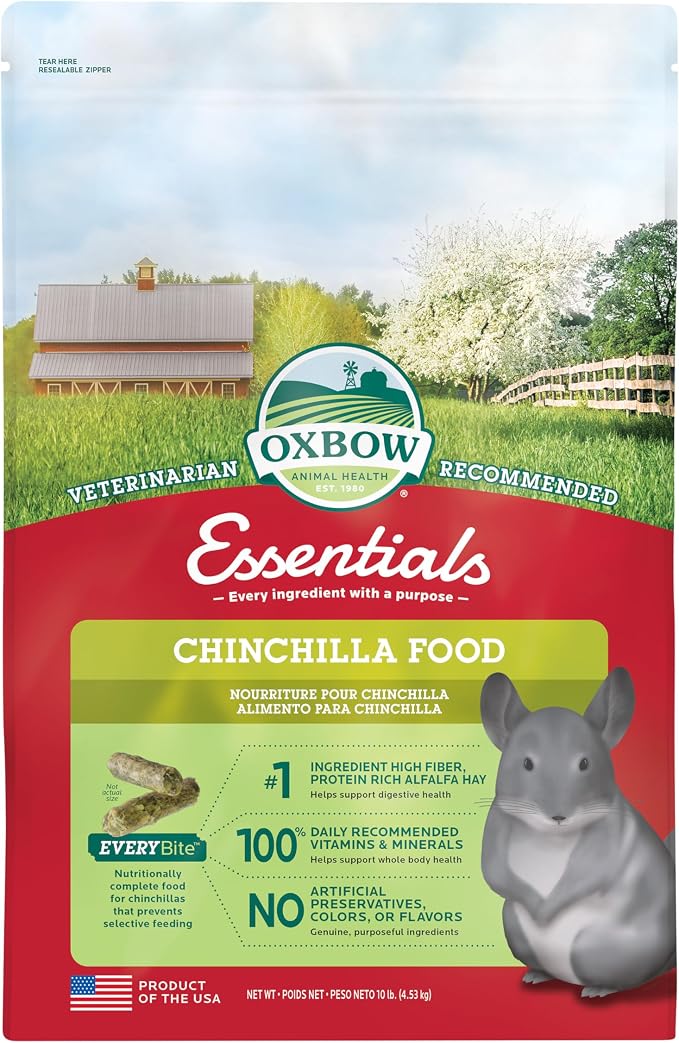
Timothy hay specifically is the most commonly recommended type. Alfalfa hay is generally treated as an occasional or life-stage item rather than an everyday staple for adults, its higher calcium and protein are linked to bladder stone risk, though it's appropriate for chinchillas that are pregnant, nursing, or still growing.
Fresh produce should stay a minor, occasional addition, not a dietary pillar, chinchillas evolved on a very sparse, high-fiber, low-moisture diet. Where vegetables are recommended at all, dark leafy greens like romaine, bell pepper, and celery show up most often, though whether lettuce belongs on the safe list is itself disputed between sources. Introduce any new food gradually over several days, whether a new hay batch, pellet brand, or vegetable, sudden diet changes are a well-documented trigger for digestive illness in this species.
Safe Treats and Foods to Avoid
Reasonably well-corroborated safe treats, small amounts, a few times weekly: plain rolled oats, small wheat biscuit pieces, dried dandelion leaves, dried nettles, rosehips occasionally, a small piece of apple or pear about once weekly, and a couple of blueberries. Safe chew items for dental wear: applewood, pearwood, elm, and birch branches, plus cholla wood.
Well-corroborated foods to avoid entirely: nuts and seeds (high fat and phosphorus, linked to liver strain), dried fruit in any quantity, mixed seed or grain muesli-style feed, chocolate, onion, garlic, avocado, dairy (chinchillas are lactose intolerant), asparagus, and rhubarb including its leaves, described as poisonous. Cedar, plum, redwood, and cherry wood should never be offered as chew items, they're toxic. Apple, carrot, banana, grapes, and lettuce are genuinely disputed items that show up on both safe and avoid lists depending on the source, worth knowing rather than presenting either list as unambiguous.
Why Chinchillas Stop Eating
- Dental disease. Continuously growing teeth that overgrow or develop spurs make chewing painful, cited as the single most common reason a chinchilla stops eating. Watch for dropped food and a wet, drooling chin.
- GI stasis. Usually secondary to another problem, insufficient hay, dehydration, dental pain, or a sudden diet change, but becomes a self-perpetuating, life-threatening emergency on its own, able to progress from mild to severe within hours to about a day.
- Heat stress. Chinchillas evolved in the cool Andes and can't sweat or pant effectively; our housing guide has the full temperature and humidity targets. Reduced appetite is an early warning sign before more severe symptoms like open-mouth panting.
- Illness. Respiratory infection or other sickness reduces appetite directly and diverts energy toward fighting infection, watch for wheezing or crackling breathing alongside reduced eating.
- Stress. A new home, cage rearrangement, loud noise, or losing a cage companion can suppress appetite temporarily, typically resolving within 3 to 5 days once the animal settles.
- A sudden diet change. Chinchillas have sensitive digestion, transition any new food gradually over roughly 5 to 7 days rather than swapping overnight.
- Pain elsewhere. Bladder stones, a urinary tract infection, or injury can suppress appetite the same way dental pain does, often with other signs like straining to urinate.
- Dehydration. Reduces gut motility and directly contributes to GI stasis risk, a clogged water bottle can indirectly show up as reduced eating.
When to Worry
Multiple sources converge on the same window: a chinchilla that isn't eating for more than 12 to 24 hours should be seen the same day, not just monitored. Droppings matter just as much as food intake, check daily that the chinchilla is eating and passing plenty of dry droppings, and treat a drop in either as reason to contact a vet. A complete stop in fecal output for more than about 12 hours is treated as needing immediate attention.
Red flags that make any appetite change more urgent: a bloated or tense abdomen, audible teeth grinding, drooling or a wet chin, labored breathing, a hunched posture, and noticeable lethargy or weight loss. GI stasis can go from concerning to life-threatening in under 24 hours, but chinchillas that get prompt treatment, fluids, motility medication, syringe feeding, generally have good recovery odds. Speed matters more than waiting to see if it resolves on its own.
If you're weighing a chinchilla against another small pet with a much shorter lifespan and very different feeding needs, our Chinchilla vs. Hamster guide compares the two directly.
Sources & Further Reading
❓ Frequently Asked Questions
How much pelleted food does a chinchilla need?
About 1 to 2 tablespoons a day, this is one of the closer things to a consensus number in exotic pet feeding, independently stated by multiple veterinary organizations. Hay, not pellets, is the bulk of the diet, unlimited and always available.
Can I feed my chinchilla a seed and grain mix?
No, avoid loose muesli-style mixes. Chinchillas will selectively eat the tasty, high-fat pieces and leave the rest, unbalancing the whole diet. A plain, chinchilla-specific pellet is the better choice.
Why does my chinchilla eat its own droppings?
This is normal and necessary, not illness. Chinchillas are hindgut fermenters that produce a distinct soft dropping called a cecotrope, mostly overnight, and eat it to send food through the gut a second time. Their small intestine only captures part of the nutrients from their very fibrous diet on the first pass, and a chinchilla prevented from doing this can become nutrient deficient.
Why has my chinchilla stopped eating?
Dental disease is cited as the single most common cause, continuously growing teeth that overgrow or develop spurs make chewing painful. Heat stress is another major concern, chinchillas can't sweat or pant effectively and reduced appetite is often an early warning sign before more severe symptoms. A sudden food or hay brand change can also trigger digestive upset.
How long can a chinchilla safely go without eating?
More than 12 to 24 hours off food, and the chinchilla should see a vet that day rather than being watched at home. Sources converge on that window. Output counts too: no droppings at all for about 12 hours is treated as needing immediate attention.
Are apples and carrots safe treats?
This is disputed. One major veterinary charity advises avoiding apple, carrot, grapes, and banana entirely, citing digestive upset from sugar and moisture content, while other veterinary and university sources list small weekly amounts of apple or carrot as standard, acceptable treats. Worth knowing both positions exist rather than treating either as settled.
📰 More on the Chinchilla
📘 Chinchilla care guide
🐭 How Much Does a Chinchilla Really Cost?
🐭 How to Handle a Chinchilla (And What Fur Slip Actually Means)
🐭 Common Chinchilla Health Issues (Heat Is the Hidden Danger)
🐭 Chinchilla Housing: Dust Baths, Not Water, and a Cool Room
🐭 Chinchilla Enrichment: Fur Chewing Dropped With the Right Floor
🛒 Recommended Gear
As an Amazon Associate, we earn from qualifying purchases through the links above - at no extra cost to you.

Written by Michael Ryan
Mike kept a chinchilla for a stretch. The dust bath and heat advice here is lived.
Mike keeps two rescued bearded dragons, Dex and Cera, and writes the care guides on BeastlyFacts from his own research and mistakes. He is not a veterinarian.
More about Michael Ryan →Comments
No comments yet - be the first!