Fact Files
Wild animal features, checked against primary sources. Each one opens with the claim it overturns and what the evidence actually says.
39 files · Page 1 of 4
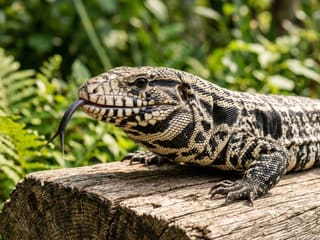
Argentine tegus are venomous and dangerously aggressive.
No venom apparatus has ever been documented in tegus. Their bite is real but defensive, and the aggression reputation traces back to wild-caught or undersocialized animals more than the species itself.
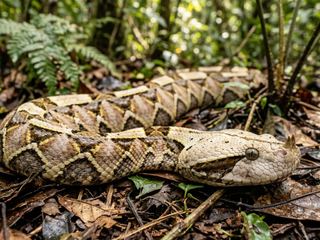
The Gaboon viper is an aggressive, fast-striking snake that will attack without warning.
It's actually one of the most docile vipers in the world, rarely biting or hissing even when handled. Nearly every recorded bite happens because someone accidentally stepped on one hidden in leaf litter, not because it went looking for a fight.
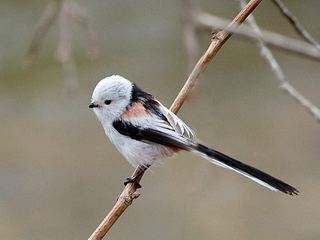
The shima enaga's round, snowball shape is just how the bird always looks.
That roundness is a deliberate winter behavior. It fluffs its feathers to trap air for insulation against Hokkaido's cold, and looks noticeably slimmer the rest of the year.
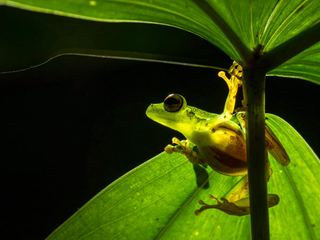
A glass frog is see-through because there is nothing much inside it.
It packs 89 percent of its red blood cells into its liver to sleep. Blood that concentrated should clot, and somehow does not.
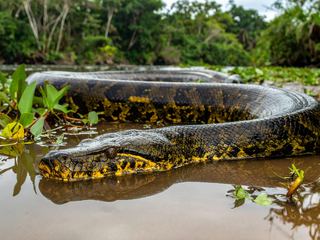
Constrictors crush their prey, or slowly suffocate it.
Neither. Pressure readings taken inside the coils show blood flow stops first, and the animal faints within seconds.
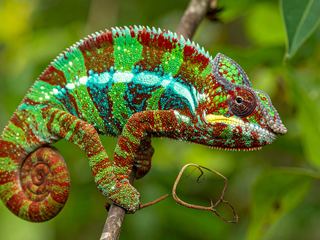
Chameleons change color to blend into their surroundings.
Put one on a chessboard and nothing happens. The color signals mood and temperature, not the background.
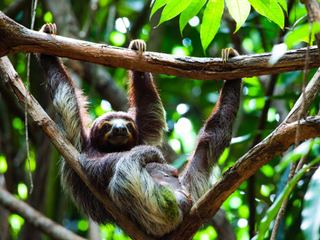
Sloths are too lazy to leave their tree.
One climbs all the way down once a week to defecate, and a large share of all sloth deaths happen during that trip.
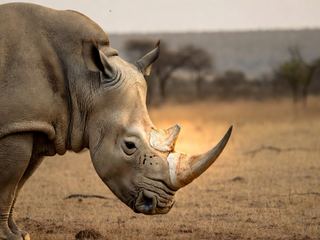
Rhino horn is ivory, like an elephant tusk.
It is compacted keratin, the same protein as fingernails, and the medicine trade built on it is selling people their own hair.
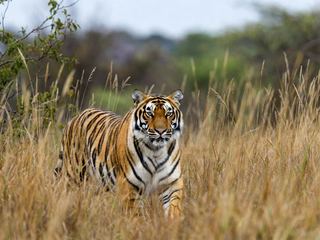
Tiger numbers are rising, so tigers are recovering.
The entire wild population is a few thousand animals across thirteen countries. More may live in private American hands than in the wild.
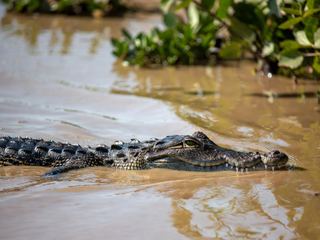
Crocodiles survived the asteroid by never changing.
They changed a great deal. What carried them through was being small, aquatic, and able to go a long time without eating.
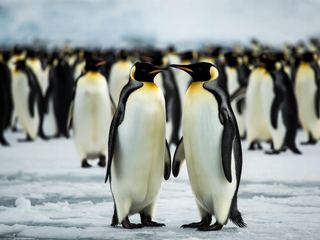
Penguins mate for life.
Divorce rates run from near zero to over 80 percent depending on the species, and what predicts loyalty is the nest.
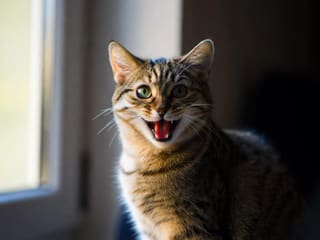
Cats meow to talk to each other.
Adult cats barely meow at each other at all. It is a kitten call they never grew out of, reshaped by domestication and aimed at the one species that answers it.