Gerbil vs. Guinea Pig: Which Small Pet Actually Fits Your Space
On This Page▾

Both get recommended as easy small pets, but they sit at very different scales, in size, lifespan, and daily care, despite sharing one important thing in common: neither one should be kept alone.
The Comparison
| Gerbil | Guinea Pig | |
|---|---|---|
| Adult weight | 2-4 oz | 1.5-2.5 lbs |
| Minimum space | 20-gallon long for a pair (deep substrate) | 7.5 sq ft (10.5 sq ft for a pair) |
| Social needs | Social, pairs/small groups | Social, pairs/groups |
| Active period | Day and night, peaks at dawn/dusk | Awake through the day |
| Diet complexity | Gerbil pellet at 18 to 20% protein | Needs daily vitamin C |
| Digging drive | Intense, near-mandatory | Minimal |
| Noise level | Quiet, foot-drums to communicate | Vocal, wheeks and purrs |
| Lifespan | 2-3 years | 4-8 years |
Neither One Should Live Alone
This is worth stating up front because it's the most common mistake with the smaller of the two. Gerbils are genuinely social animals that pair-bond and live in family groups in the wild, and captive gerbils kept alone without a same-sex partner or sibling can develop real anxiety and depression-like behavior. Guinea pigs are the same story at a larger scale: they're herd animals, and reputable guinea pig sources will often only rehome them in bonded pairs. The size difference between the two species doesn't change this, both need a companion, not just an owner.
Choose a Gerbil if space is limited and you want the smaller footprint. Just don't buy only one, a gerbil needs a same-sex partner or sibling group as much as a guinea pig does, isolation is a real welfare problem at this size too.
Size Drives Everything Else
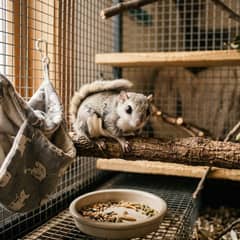
An adult gerbil weighs only a few ounces and comfortably fits in two cupped hands. An adult guinea pig weighs 1.5 to 2.6 pounds, roughly ten times as much, and needs a correspondingly larger home: at least 7.5 square feet of floor space even for a single guinea pig, versus a 20-gallon long for a pair of gerbils in a tank with deep, diggable substrate. If floor space is the limiting factor in your home, that gap alone often settles the decision.
Gerbils communicate largely through foot-drumming, thumping a hind foot rapidly against the ground to signal alarm or excitement to other gerbils, alongside a range of quieter vocalizations most owners barely notice. Guinea pigs go the opposite direction entirely, wheeking loudly enough to be heard through a house at the sound of a refrigerator door or a rustling vegetable bag, one of the most recognizable sounds in the small-pet world.
Diet Complexity Isn't Equal
A gerbil needs no supplement, but it does need the right pellet: about 18 to 20% protein, which many generic small-rodent mixes miss. A guinea pig cannot synthesize its own vitamin C and needs a reliable daily source, whether fortified pellets, vitamin-C-rich vegetables, or a direct supplement, or it risks a scurvy-like deficiency. It isn't a difficult routine once it's a habit, but it's a real daily task a gerbil owner simply doesn't have.
A Guinea Pig is the better fit if you want a larger, more interactive pet and a meaningfully longer commitment. Just stay on top of the daily vitamin C requirement, this species can't make its own, and skipping it has real health consequences.
The Lifespan Gap Is Real This Time
A gerbil's normal lifespan is 2 to 3 years. A guinea pig commonly lives 4 to 8 years, more than double. Unlike some small-pet comparisons where lifespan barely differs, this one is a genuine factor: a guinea pig is a multi-year relationship in a way a gerbil, however social and rewarding, generally isn't.
Bottom Line
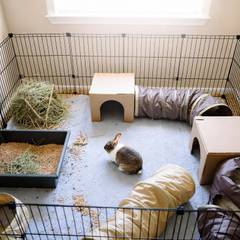
Pick a gerbil if you want the smaller footprint and a shorter, lower-stakes commitment, while still planning to house it with a companion. Pick a guinea pig if you want a larger, more vocal, longer-lived pet, have the floor space for a proper pair setup, and are ready to fill it with real enrichment and hideouts. Neither should be a solo pet, that part of the decision is already made either way. The gerbil and guinea pig encyclopedia profiles cover the Mongolian-steppe and Andean origins behind those size and lifespan differences.
Sources & Further Reading
Last reviewed 14 Sep 2026 · 4 sources
- Gerbils, Merck Veterinary Manual
- Housing and Husbandry: Gerbil, NC3Rs
- Guinea Pig Housing Requirements and Bedding Options, Humane World for Animals
- PetMD: Vitamin C Deficiency in Guinea Pigs; How Long Do Guinea Pigs Live?
Frequently Asked Questions
Do gerbils and guinea pigs both need to be kept in pairs?
Yes, and this is the one thing people usually get wrong about gerbils specifically. Both species are social and do best with a same-sex companion or bonded pair, not living alone. The idea that a gerbil is fine solo because it's small is a myth, isolated gerbils can develop real anxiety and depression-like behavior.
Which is bigger, a gerbil or a guinea pig?
Guinea pigs, by a lot. An adult gerbil weighs only a few ounces and fits easily in two cupped hands. An adult guinea pig weighs 1.5 to 2.6 pounds and needs a larger enclosure, at least 7.5 square feet even for a single pig, compared to a fraction of that for a pair of gerbils.
Which lives longer, a gerbil or a guinea pig?
Guinea pigs, by a real margin. A gerbil's normal lifespan runs 2 to 3 years, while a guinea pig commonly lives 4 to 8, more than double. That makes a guinea pig a multi-year relationship in a way a gerbil generally isn't.
Does a guinea pig need a special diet a gerbil doesn't?
Yes. Guinea pigs can't synthesize their own vitamin C and need a reliable daily source, whether from fortified pellets, vitamin-C-rich vegetables, or a direct supplement, or they risk a scurvy-like deficiency. Gerbils have no equivalent requirement, but they do need a gerbil pellet at about 18 to 20% protein, since many generic small-rodent mixes fall short.
Which is quieter, a gerbil or a guinea pig?
Gerbils, generally. They communicate mostly through foot-drumming and quieter vocalizations that most owners barely notice day to day. Guinea pigs are famously vocal, wheeking loudly at the sound of a fridge or bag of vegetables, which some owners love and others find surprising for such a small animal.
🐹 How Much Does Gerbil Ownership Really Cost?
🐹 How Much Does a Guinea Pig Really Cost?
🐹 How to Handle a Gerbil (And Why It Needs a Companion)
🐹 How to Handle a Guinea Pig Without Scaring It
🐹 Common Gerbil Health Issues
🐹 Common Guinea Pig Health Issues (And Why Vitamin C Matters So Much)
🐹 Gerbil Enclosure Setup: Depth Is Everything
🐹 Guinea Pig Housing and Diet: Why Vitamin C Is Non-Negotiable
🐹 Guinea Pig Feeding: Schedule, Diet, and Why They Stop Eating
🐹 Guinea Pig Scurvy: Why Vitamin C Isn't Optional
🐹 Gerbil Enrichment: Deep Bedding Alone Does Not Stop the Digging
🐹 Guinea Pig Enrichment: Hideouts, Foraging, and Floor Time
🐹 Is It Legal to Own a Gerbil? The California Ban Explained
🐹 Is It Legal to Own a Guinea Pig? The Short Answer
Recommended Gear
As an Amazon Associate, we earn from qualifying purchases through the links above - at no extra cost to you.

Written by Michael Ryan
Mike grew up with guinea pigs.
Mike keeps two rescued bearded dragons, Dex and Cera, and writes the care guides on BeastlyFacts from his own research and mistakes. He is not a veterinarian.
More about Michael Ryan →