Common Gerbil Health Issues
On This Page▾

Gerbils are hardy, and the conditions that do show up in this species range from routine to urgent, worth knowing the difference before something comes up.
Scent-Gland Tumors
A tumor common in aged male gerbils, arising from the ventral scent gland on the belly. Tumors in general run at a 25 to 40% incidence past two or three years in this species, and scent gland carcinomas in males plus ovarian tumors in females account for roughly 80% of them. The gland sits as a bare orange-tan oval on the midline, so a lump, sore, or ulcer there is what to look for. See a vet, caught early, these are usually operable with a good recovery. Checking the gland area periodically as part of routine handling is a reasonable habit.
Tyzzer's Disease
The most common infectious disease in this species, a bacterial gut infection that's stress-related and highly contagious, spreading through contact with infected animals or bedding via the fecal-oral route, per the University of Missouri College of Veterinary Medicine.
Watch for: ruffled fur, lethargy, a hunched posture, poor appetite, and diarrhea.
Diarrhea in a gerbil is an emergency, see a vet immediately, this disease can progress to death quickly if untreated.
Tyzzer's disease being described as "stress-related" isn't a vague catch-all, transport, overcrowding, and a sudden environment change are specific, documented triggers. A calm, properly settled gerbil is genuinely less likely to develop this disease than one that's just been rehomed or crowded into too small a tank, which is part of why a deep, spacious setup isn't just about comfort.
Aural Cholesteatoma
The one nobody warns you about. It occurs in half of gerbils over two years old: a growth in the ear canal that pushes the eardrum inward, eventually causing bone damage and inner ear destruction. Head tilt is the visible sign, so a gerbil holding its head to one side needs a vet rather than watching.
Seizures
Seizures occur in some lines and are uncommon in many pet strains, and they can look alarming. They commonly start at 2 to 3 months old, get more frequent and severe up to about 6 months, then decline. An episode lasts several minutes, anything from a trance-like stillness with twitching ears and whiskers to full convulsions, and leaves no permanent damage, and medication is not usually needed. Handling gently and often in the first three weeks of life can prevent or reduce them in predisposed animals.
Tail Slip (Sloughing)
From improper handling, specifically grabbing or restraining by the tail, or occasionally from a fight between cage mates. The skin slips away and the tissue underneath, now exposed, dies, and the bare portion has to be amputated as soon as possible to prevent infection setting in, so this is a vet visit rather than something to watch. Entirely preventable by never handling this species by the tail.
Overgrown Teeth (Malocclusion)
Gerbil incisors grow continuously, and overgrowth typically follows when a tooth breaks, for instance from gnawing on metal cage bars, letting the opposing incisor grow unchecked, per the University of Missouri College of Veterinary Medicine. Manageable at home by providing genuine chew material instead of bars; visible overgrowth affecting eating needs a vet.
Coat and Skin Issues (Matting, "Red Nose," Mites)
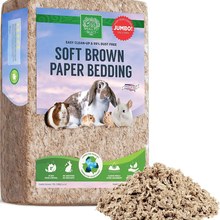
From humidity running too high, poor ventilation, overcrowding, or general stress. Nasal porphyrin discharge, sometimes mistaken for blood, can worsen into self-trauma and infection if the underlying cause isn't corrected. Correct the environment first (get humidity below 40%, and use clean, dry bedding), and see a vet for any infected sore or suspected mites. 50% is where the condition starts appearing, and 40% is the number that prevents it.
The Husbandry Pattern Worth Remembering
Stress, whether from isolation, overcrowding, or poor environment, is genuinely the thread connecting Tyzzer's disease, coat problems, and general immune resilience in this species. Rough handling causes tail slip. And insufficient gnawing material causes dental overgrowth. A calm, properly social, well-ventilated setup does most of the preventive work here.
When to See a Vet
See a vet immediately for diarrhea, don't wait on this one, and treat a tail stripped of its skin the same way, since the bare portion needs amputating before infection sets in. Book a routine visit promptly for a lump along the belly midline, a head tilt, dropped food or drooling, or a nose that looks persistently red or bloody.
If you're also weighing a degu, its most common health issue looks nothing like this one: the degu health issues guide has it, and Two Pets Where You're Really Buying a Pair sets the two side by side.
Sources & Further Reading
Last reviewed 14 Sep 2026 · 5 sources
- MSD Veterinary Manual: Disorders and Diseases of Gerbils
- Merck Veterinary Manual: Gerbils
- University of Missouri College of Veterinary Medicine: Squamous Cell Carcinoma (Gerbils)
- University of Missouri College of Veterinary Medicine: Tyzzer's Disease (Gerbils)
- University of Missouri College of Veterinary Medicine: Malocclusion (Gerbils)
❓ Frequently Asked Questions
What are the lumps sometimes found on a gerbil's belly?
Most likely a scent-gland tumor. They're common in aged males, growing from the ventral scent gland, and appear as a lump, sore, or ulcer along the belly midline. See a vet. Caught early, they're usually operable and recovery is good.
Is diarrhea an emergency in a gerbil?
Yes, same-day. Diarrhea in a gerbil most likely means Tyzzer's disease, this species' most common infectious disease, a stress-related bacterial gut infection that's highly contagious between gerbils. It can progress to death quickly if untreated.
What happens if a gerbil loses part of its tail?
Tail slip, or degloving. From improper handling, or occasionally a fight between cage mates. The exposed tissue dies, so the bare portion needs amputating as soon as possible to head off infection. This is a vet visit, not a wait-and-see.
What causes a gerbil's nose to look red or bloody?
Likely 'red nose,' a nasal porphyrin discharge sometimes mistaken for blood, caused by humidity running too high, poor ventilation, overcrowding, or general stress. Correct the environment first, getting humidity below 40%, and see a vet for any infected sore or suspected mites.
📰 More on the Gerbil
🛒 Recommended Gear
As an Amazon Associate, we earn from qualifying purchases through the links above - at no extra cost to you.

Written by Michael Ryan
Mike keeps two rescued bearded dragons, Dex and Cera, and writes the care guides on BeastlyFacts from his own research and mistakes. He is not a veterinarian.
More about Michael Ryan →Comments
No comments yet - be the first!