How to Handle a Degu (And Why It Needs a Friend)
On This Page▾

Degus are curious, intelligent, social animals, and two facts about this species stand in direct contrast to the hamster, worth understanding clearly before you bring one home.
Never Solo, Unlike the Hamster
This is the single most important fact about keeping this species well. Degus are highly social and need to live in same-sex pairs or small groups. A solitary degu doesn't just miss out on companionship, it becomes genuinely stressed, and that stress shows up as neurotic or aggressive behavior over time. This is the direct opposite of the Syrian hamster, which is solitary and territorial and must be housed alone. If you're coming from hamster ownership, resist the instinct to apply the same "one per cage" rule here.
Awake When You Are, Unlike the Hamster
Degus are diurnal, active during the day rather than at night. This is a genuinely appealing trait if you've kept a nocturnal hamster and found the mismatched schedule frustrating, a degu is naturally active and available for interaction on roughly the same clock you are.
Getting Handling Right
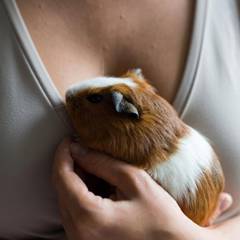
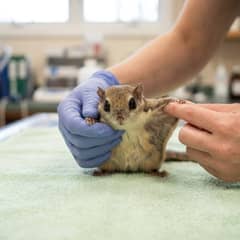
Degus tame well with regular, gentle handling and are naturally curious and vocal, chirping and squeaking as part of normal communication. Never pick a degu up by the tail. Like several rodents, degus can experience "tail slip," where the skin and fur of the tail sloughs off under grasping pressure. This doesn't grow back and needs veterinary attention. Scoop by the body instead.
A degu's tail doesn't grow back once "tail slip" happens, the skin and fur simply sloughs away under grasping pressure and the exposed bone eventually has to be addressed by a vet. It's one of the clearest reasons to build a "scoop, never grab the tail" habit from the very first pickup.
First-Timer Mistakes
- Buying a single degu, expecting it to do fine alone the way a hamster would.
- Grabbing or restraining by the tail.
- Feeding fruit or sugary treats as an occasional "harmless" indulgence, genuinely risky for this species specifically.
The Relationship You're Signing Up For
Because this species is diurnal and social, degu ownership tends to feel more interactive day to day than many small rodents, you're more likely to see and engage with your degus during normal waking hours, and watching a bonded pair interact is a large part of the appeal. Go in planning for two from the start, not one.
Weighed against the other social, day-active rodent, the gerbil handling guide is the closest comparison, and Two Pets Where You're Really Buying a Pair walks through both together.
Sources & Further Reading
Last reviewed 8 Aug 2026 · 2 sources
❓ Frequently Asked Questions
Can I keep just one degu?
No. Degus are highly social and need to live in same-sex pairs or small groups. A solitary degu becomes stressed, which shows up as neurotic or aggressive behavior over time, the direct opposite of the solitary Syrian hamster, which must be housed alone.
Are degus active during the day or at night?
During the day. Degus are diurnal, so yours is awake and up for interaction on roughly your own schedule. Anyone coming from a nocturnal hamster will notice the difference immediately.
Can you pick a degu up by the tail?
Never. Grasping pressure on the tail causes tail slip, where the skin and fur come away. It doesn't grow back and it needs a vet. Scoop by the body.
Are degus easy to tame?
Yes, with regular, gentle handling. They're naturally curious and vocal, chirping and squeaking as part of normal communication, and tend to tame well compared to more skittish small rodents.
📰 More on the Degu
Written by Michael Ryan
Mike keeps two rescued bearded dragons, Dex and Cera, and writes the care guides on BeastlyFacts from his own research and mistakes. He is not a veterinarian.
More about Michael Ryan →Comments
No comments yet - be the first!