Heat Stress and Cold in Small Mammals: Temperature Ranges and Emergency Signs
On This Page▾

A bearded dragon owner checks a thermostat every day without thinking about it. A guinea pig owner usually doesn't, because there's no heat lamp, no UVB bulb, and no dial to check, the room is the enclosure's entire climate system. That's exactly what makes temperature such an easy thing to overlook for guinea pigs, rabbits, chinchillas, and hamsters. None of these species sweat the way a human does, none of them have supplemental heating or cooling equipment to fall back on, and a room that feels merely warm to you can already be dangerous for one of them. Each species has its own comfortable range and its own danger line, and heat stress signs tend to appear in the same order across all of them.
Why a Warm Room Hits Them Harder Than It Hits You
Humans cool down mainly by sweating, evaporating moisture off a large area of skin. Guinea pigs and rabbits don't have that option: guinea pigs have no sweat glands at all, and rabbits cannot sweat. Chinchillas do best in cool air, about 55 to 70°F, shrug off cold, and are in danger once it reaches about 80°F.
What these species do instead is smaller in scale. Rabbits and other small rodents rely heavily on their ears: the blood vessels there dilate in heat to dissipate warmth as blood moves through them. Beyond that, these animals rely on behavior, seeking shade, lying against a cool surface, drinking more, moving less. None of that is a substitute for sweating across an entire body, so once ambient heat outpaces what a small ear or a change in behavior can offload, body temperature climbs quickly and without much warning.
Chinchillas are the standout case. Their coat is often cited as the densest fur of any land mammal, an adaptation for the high, cold, dry Andes rather than a heated living room, and it leaves them very tolerant of cold but sensitive to heat. That same coat that keeps them comfortable at temperatures that would chill a guinea pig also traps heat mercilessly once the room warms up, which is why chinchillas top out at a lower safe ceiling than the other three species in this group, and why heatstroke sits near the top of the list of chinchilla health problems.
Comfortable and Dangerous Ranges, By Species
Where published figures differ slightly, the table gives the range rather than a single number.
| Species | Comfortable range | Heat risk begins around | Cold tolerance |
|---|---|---|---|
| Guinea pig | 65-79°F (18-26°C) | 80°F (26-27°C); risk can start as low as 75°F (24°C) | Handles cool rooms reasonably well; drafts and damp bedding are the real cold risk |
| Rabbit | 61-72°F (16-22°C) | 80°F (26-27°C); keep at or below this | Tolerates subzero outdoor temperatures with proper shelter; indoors, drafts matter more than a cool room |
| Chinchilla | 55-70°F (13-21°C) | 80°F (27°C); use the 150 rule below | Very cold tolerant; comfortable down to 35-45°F (2-7°C) with shelter |
| Hamster | 65-75°F (18-24°C) | 80°F (27°C), consistent with the broader rodent threshold | Can slip into torpor below 41°F (5°C), a hibernation-like state; keep the room above that line |
| Gerbil | Adapts to a wide range; keep humidity below about 40% | High resistance to heat stress; humidity is the bigger problem | Wide tolerance; a sore nose points to damp air |
| Mouse (and rat) | Up to 80°F (27°C), humidity below 70% | Above 80°F (27°C), the shared rodent ceiling | Handles a cool room; keep nesting material deep enough to burrow into |
| Degu | Cool by small-pet standards, below 77°F (25°C) | Above 77°F (25°C), worse with humidity or direct sun | Handles a cool room; drafts and damp still matter |
The chinchilla "150 rule" is worth learning on its own: add the room temperature in Fahrenheit to the relative humidity percentage, and treat any total over 150 as dangerous territory. Eighty-five degrees at 65 percent humidity adds up to 150, so a room that doesn't feel unbearable can already be a heat stroke risk once humidity is factored in. The identical rule applies to rabbits, so the same math is worth running for either species, not just chinchillas. Among rodents, guinea pigs and chinchillas are the most susceptible, and the shared 80°F ceiling holds across this group.
The danger line depends on the species. Guinea pigs can run into heat trouble from 75°F (24°C), and rabbits, chinchillas and hamsters from about 80°F. Below those lines, each species has its own comfortable band and its own cold tolerance. Above them, especially with any humidity, heat stress risk is real for every one of the four, and chinchillas cross into danger fastest of the group.
The Order Signs of Heat Stress Actually Appear In
The rough sequence is the same across guinea pigs, chinchillas, hamsters, and rabbits: panting and salivating first, then weakness, convulsions, and refusal to move. In a guinea pig, profuse drooling comes as the animal pants to cool down, along with a racing heart and shallow, rapid breathing, then profound weakness and pale gums, progressing to convulsions, coma, and death if untreated. A rabbit shows fast, open-mouth breathing and lethargy, and in advanced cases shaking, wobbliness, seizures, collapse, and unconsciousness.
Put together, the practical sequence to watch for is:
- Rapid or open-mouth breathing. Faster, shallower breaths than normal, sometimes visible as panting.
- Excess drooling or salivation, sometimes leaving the fur around the mouth visibly wet.
- Weakness and reluctance to move, an animal that's normally active becoming lethargic or hard to rouse.
- Severe signs: tremors, convulsions, collapse, or unconsciousness. This stage is a genuine emergency, and it can progress to coma and death without treatment.
None of these signs need to all be present before you act. Guinea pigs in particular can deteriorate quickly once heat stress starts, so the first sign, not the fourth, is the point to move. The same urgency applies to sudden lethargy or breathing changes from any cause in a guinea pig or a rabbit: an emergency, not a symptom to monitor overnight.
What To Actually Do
Do this immediately if you see any of the signs above:
- Move the animal to the coolest available room right away, ideally one with air conditioning or at least good airflow away from direct sun.
- Offer cool, not ice-cold, water to drink. Don't force it if the animal won't drink on its own.
- Cool the animal gradually. A cool, damp towel or a light wipe of cool water on the ears and feet works better than a full soak.
- Get to a vet immediately. Heat stress is a genuine emergency, not a wait-and-see situation.
Don't do this:
- Don't plunge the animal directly into cold or ice water. It can send an already-stressed small mammal into shock, which works against the goal of cooling it safely.
- Don't fully soak a chinchilla's coat as a cooling method. That same dense fur that insulates against cold traps moisture once wet, and chinchillas develop matted, damp fur in warm, humid conditions, exactly the setup for a skin problem on top of the heat emergency. A cool room, a fan, and a damp cloth on the ears and feet is the safer route for this species specifically.
- Don't assume the animal will recover on its own once it looks calmer. Heat stress can look like it's resolving and then relapse, which is part of why a vet visit is non-negotiable rather than optional.
A rabbit's ears aren't just for hearing. The blood vessels running through them are a rabbit's primary cooling system, which is part of why an overheated rabbit's ears often feel noticeably hot and look flushed before other symptoms show up.
The Cold End: A Smaller Problem, But Not Zero
All four species tolerate cool rooms considerably better than hot ones. Chinchillas are the extreme case, comfortable down to 35 to 45°F given proper shelter, and rabbits tolerate subzero outdoor temperatures with adequate shelter, though an indoor pet rabbit should stay within its comfortable range rather than testing that outdoor tolerance. Guinea pigs handle a cool room without much trouble as long as the drop is gradual rather than sudden.
The real cold-weather risk for these species isn't a moderately cool room, it's a draft or damp bedding. A cage sitting in a windowsill's cold draft or bedding that's stayed wet loses heat far faster than still, dry air at the same thermometer reading, and that combination is a more realistic path to a cold-stressed, respiratory-compromised animal than simply keeping the thermostat a few degrees lower than ideal. Hamsters are the one species in this group with a distinct hard floor: below 41°F (5°C) they can slip into torpor, a hibernation-like state, and a Syrian hamster does not fatten up first, so one that fails to wake periodically to eat will starve. Keep a hamster's room above that line. That's a different mechanism from the ear-vasodilation and behavioral cooling covered above, but it's the other side of the same coin, these species manage a much narrower range of extremes than their thick coats or calm behavior might suggest.
When the Power Goes Out
Everything above assumes the room stays roughly where you set it. An outage removes that assumption with no warning, and it takes the air conditioning, the fan, and the heating with it at once. The thresholds don't move: 75°F for a guinea pig and about 80°F for the other three still mark the danger line, and a cool room is still a far smaller problem than a hot one. What changes is that you are now the climate system.
Keep feeding them. This is the part people get backwards. Anyone who has kept a reptile has absorbed the opposite rule, that a cold reptile shouldn't be fed because it can't digest what it eats. For a rabbit or a guinea pig that instinct is actively dangerous. These are hindgut fermenters whose digestive tracts have to keep moving, and an animal that stops eating is in more immediate trouble than an animal that's a few degrees cool. Stress and pain are primary causes of gastric stasis in rabbits, reduced food intake usually drags water intake down with it, and a rabbit that eats less develops a fatty liver relatively quickly. A guinea pig shows the same failure from the other end, anorexia, depression, dehydration, and a low body temperature, and one showing those signs needs immediate veterinary attention. An outage is a stressful, disruptive event for exactly the animals least able to skip a meal, so hay and water stay in front of them the whole time. That gut flora is the same fragile system behind small mammal enterotoxemia, and it does not forgive an interruption.
A summer outage is the one to worry about. Consistent with everything else in this guide, losing cooling is worse for these four species than losing heat. The tools that still work without electricity: freeze bottles of water so the animal can lie up against them, use cool wet towels, shade any unprotected part of the enclosure with cloths or parasols and darken windows against direct sun, and keep unlimited fresh water available in more than one container. Water-heavy foods like cucumber, melon, and apple help too. Move the enclosure to the coolest room in the house, usually a tiled bathroom or a basement, get whatever air movement you can from opened windows on the shaded side or a battery fan, and check the thermometer rather than guessing, because a house without air conditioning climbs through the afternoon well after the outage starts.
A winter outage is mostly about drafts and damp, not the thermometer. For rabbits and guinea pigs the emphasis is on shelter rather than air temperature: keep the enclosure in a draft-free spot away from windows and doors, give plenty of bedding hay or straw to burrow into and change it often enough to stay dry, and raise the enclosure off the floor, since warm air rises and floor level is the coldest part of the room. Add extra hay, which is both insulation and the extra calories a cold animal burns, and check that water hasn't frozen, including the ball in a bottle nozzle. Bonded pairs will do some of this work themselves by huddling.
Relocate when the room stops responding. Managing in place works while the room is still inside the safe band. Once it isn't, and you have no way to bring it back, the animal needs to move rather than wait, which is the same logic behind bringing a hutch indoors in a heat wave or a cold snap. In a long summer outage that means a friend's house, a relative's basement, or an exotics vet or boarder with power, and it's a decision worth making at hour two rather than hour eight, when the house has had all day to heat up.
None of this contradicts the first aid earlier in this guide, it's the same reasoning applied before an animal is in trouble. A frozen bottle wrapped in a towel for a guinea pig to lie against is a cool surface, not a cold-water plunge, and a chinchilla still gets a cool room, airflow, and a damp cloth on the ears and feet rather than a wet coat. If heat stress signs appear during an outage, the emergency response above takes over immediately, and a vet visit is still non-negotiable.
Sources & Further Reading
Last reviewed 3 Oct 2026 · 5 sources
- Merck Veterinary Manual: Housing and Nutrition of Guinea Pigs; Chinchillas; Housing of Rabbits; Hamsters; Gerbils
- VCA Animal Hospitals: Health Problems in Rabbits; Chinchillas, Health Conditions; Health Problems in Rodents
- PetMD: Chinchilla Care Sheet
- RSPCA Knowledgebase: Will My Guinea Pigs Be Affected by Heat?
- Royal Veterinary Center: Degu Care Sheet
Frequently Asked Questions
What temperature is actually dangerous for a guinea pig, rabbit, chinchilla, or hamster?
For guinea pigs and rabbits, risk climbs once the room passes about 80°F (26 to 27°C), and guinea pig hyperthermia can start as low as 75°F (24°C), most often above 82°F (28°C). Chinchillas are the most heat-sensitive of the four: never let the room reach 80°F, and add the Fahrenheit temperature to the humidity percentage, treating any total over 150 as dangerous. The comfortable band for a guinea pig is 65 to 79°F (18 to 26°C), so 80°F is the danger line rather than the top of the comfortable range. Hamsters are kept in a similar band, with heat stress becoming a risk at the top of it.
Why do these small mammals overheat faster than I'd expect in a normal warm room?
Because they can't sweat their heat away. Rabbits cannot sweat, and guinea pigs have no sweat glands at all. Rabbits and other rodents lose heat mainly by dilating blood vessels in their ears, which is a much smaller radiator than a human's whole sweating skin surface, plus behavioral tricks like seeking shade and drinking more. Once ambient heat outpaces what that system can shed, body temperature climbs fast.
What are the first signs of heat stress to watch for?
Rapid or open-mouth breathing, followed by excess drooling or salivating, then weakness and reluctance to move. Breathing changes and salivation come first, weakness next, with convulsions, collapse, or unconsciousness only in advanced, severe cases. Any of these signs is a reason to act immediately, not to wait and watch.
Should I put a guinea pig or rabbit in cold or ice water if I think it's overheating?
No. Plunging a small mammal into cold or ice water can send an already-stressed animal into shock. Move the animal to a cooler room first, then cool it gradually with cool, not ice-cold, water on the ears and feet or a damp towel, offer cool water to drink, and get to a vet immediately. This is treated as a genuine emergency, not a wait-and-see situation.
Do these species handle cold better than heat?
Yes, generally. Chinchillas are very tolerant of cold, comfortable down into the 35 to 45°F range with proper shelter, and the optimal rabbit environment is 61 to 72°F, with rabbits tolerating subzero outdoor temperatures given proper shelter. Indoors, a moderately cool room is rarely the real problem, a draft or damp bedding causes more cold-related illness than a stable cool temperature does.
Does this apply to gerbils, mice, degus, hedgehogs, or sugar gliders too?
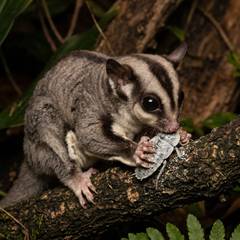
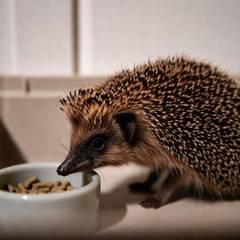
Partially. Gerbils adapt to a wide temperature range and resist heat stress well, but need humidity below about 40%, since a sore nose sets in around 50%. Mice and rats share the ceiling for all pet rodents: no warmer than 80°F, with humidity below 70%. Degus are kept cool, below about 77°F (25°C), and handle heat badly, worse with humidity or direct sun. Hedgehogs and sugar gliders don't fit this guide's premise at all: both need supplemental heat from a heat lamp or ceramic heat emitter to stay above roughly 75°F, closer to a reptile's setup than to a guinea pig's.
🐭 How Much Does a Chinchilla Really Cost?
🐿️ How Much Does Degu Ownership Really Cost?
🐹 How Much Does Gerbil Ownership Really Cost?
🐹 How Much Does a Guinea Pig Really Cost?
🌰 How Much Does a Hamster Really Cost?
🐰 How Much Does a Rabbit Really Cost?
🐀 How Much Does a Pet Rat Really Cost?
🐿️ How Much Does Sugar Glider Ownership Really Cost?
🐭 How to Handle a Chinchilla (And What Fur Slip Actually Means)
🐿️ How to Handle a Degu (And Why It Needs a Friend)
🐹 How to Handle a Gerbil (And Why It Needs a Companion)
🐹 How to Handle a Guinea Pig Without Scaring It
🌰 How to Handle a Hamster (And Why the Species Matters More Than You'd Think)

Written by Michael Ryan
Mike keeps two rescued bearded dragons, Dex and Cera, and writes the care guides on BeastlyFacts from his own research and mistakes. He is not a veterinarian.
More about Michael Ryan →