How to Handle and Tame a Cockatiel
On This Page▾

Taming a cockatiel is a trust-building process more than a technique, and it goes faster when you let the bird set the pace rather than trying to rush toward a step-up cue on day one.
Build Trust Before You Touch
Sit near the cage and talk softly, offering treats like millet through the bars at first. Once your cockatiel is comfortable with that, progress to offering treats with your hand actually inside the cage. New birds need a genuine adjustment period, give it 7 to 14 days with no handling attempts before starting this process.
Teaching the Step Up
Offer a flat palm with your fingers pointing down and your thumb tucked in, or use a handheld perch, as the surface to step onto. Avoid offering a single upright finger, most birds find this uncomfortable to grip and are more likely to bite it than step onto it.
Keep sessions short, 10 to 15 minutes is plenty, and let your cockatiel's comfort level dictate how quickly you move forward rather than working to a fixed timeline.
A cockatiel's crest is worth watching during taming: flattened tight against the head with a rigid body signals fear or aggression, and swept sharply forward can mean startled alertness. The crest tracks mood only in a general way, so read its position alongside posture and feather fluff before deciding what it means. Learning to watch it before a bite happens is still one of the more useful skills in taming an unfamiliar bird.
Signs of Fear or Stress
- Hissing
- A flattened or agitated crest
- Lunging
- Tail-flicking
- Fluffed feathers combined with rapid breathing
- Scrambling to the far side of the cage
- Neck-stretching
Signs of Comfort
- Soft chirps
- Preening
- Beak grinding
- A relaxed, upright crest
If you see stress signs, back off and try again later. Never chase a loose bird to try to catch it, a panicked, exhausted bird can collapse or fly into a window hard enough to injure itself, and forcing the interaction sets back the trust you're trying to build.
Daily Interaction Matters
Cockatiels are social birds and need regular interaction to stay well-adjusted, this is part of why the taming process is worth the patience it takes. A cockatiel that trusts you is also simply easier and safer to handle for routine things like cage cleaning, nail trims, or a vet visit.
Adding a Second Cockatiel
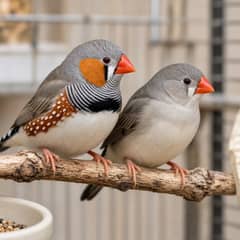
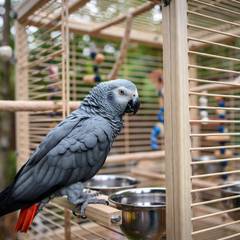
The companion that works is another cockatiel. A bird of a different species gets its own cage, and a larger parrot should never be loose around one, since a bigger bird can injure or kill a smaller one.
Before buying one, weigh what a second bird changes. Two birds of the same sex usually bond to each other and lose interest in people, and a single cockatiel that is handled every day already has its companion in its keeper. A second bird in its own cage gives company without taking over that bond. Two males are the easiest pairing and bring no eggs. A male and a female will try to breed. No choice of sex guarantees the two will get along, because wild cockatiels pick their own mates.
The introduction runs in stages:
- A vet exam for the new bird, then the full quarantine in a separate room, where the resident can hear the newcomer but not see it.
- Both cages in one room, close enough to see each other but not to reach. Move them closer over the following days while both stay calm. Two birds that choose the perches nearest each other and interact through the bars are ready for the next step.
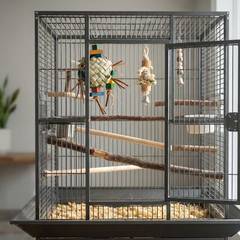
- A neutral cage that neither bird has claimed, with the first days together closely supervised. Cage minimums are quoted per bird, so a shared cage has to be larger than one sized for a single cockatiel.
Beak sparring and squabbling over perches are normal. Pulled feathers or any blood mean the birds are separated for good. Through all of it, give the resident bird extra attention with the newcomer in view, so the new arrival reads as a bonus and not a replacement. Full acceptance takes weeks to months.
A Quaker parakeet is a step up in both intelligence and assertiveness from a cockatiel, worth reading if you're considering going a size up.
Sources & Further Reading
Last reviewed 15 Jul 2026 · 4 sources
- Lafeber Pet Birds: Cockatiel Questions; Cockatiel Hissing and Nipping; Add Another Cockatiel?
- LafeberVet: Reading Bird Body Language
- PetMD: Getting a Second Bird, What You Need to Know
- VCA Animal Hospitals: Cockatiels, General Information
Frequently Asked Questions
How long should I wait before handling a new cockatiel?
Give it 7 to 14 days to adjust before attempting any handling. Start by sitting near the cage and talking softly, offering treats through the bars, before progressing to your hand inside the cage.
What's the correct hand position for step-up training?
A flat palm, fingers pointing down and thumb tucked in, or a handheld perch instead. Skip the single upright finger: it's awkward for a cockatiel to grip, and most birds are more likely to bite it than step onto it.
What are signs my cockatiel is stressed during handling?
Watch for hissing, a flattened or agitated crest, lunging, tail-flicking, fluffed feathers with rapid breathing, scrambling to the far side of the cage, or neck-stretching. If you see these, back off and try again later rather than pushing through.
Why shouldn't I chase a loose cockatiel to catch it?
A panicked, exhausted bird can collapse or fly into a window hard enough to injure itself. Forcing the interaction also sets back the trust you've been building, which matters more for long-term handling than winning any one moment.
More on the Cockatiel
Cockatiel care guide
🦜 How Much Does a Cockatiel Really Cost?
🦜 Common Cockatiel Health Issues (And Why the Kitchen Can Be Dangerous)
🦜 Cockatiel Cage Setup: Width, Safety, and the Diet Debate
🐦 Cockatiel Feeding: Schedule, Diet, and Why They Stop Eating
🦜 Cockatiel Enrichment: Two Studies, Five Years Apart
Recommended Gear
As an Amazon Associate I earn from qualifying purchases through the links above, at no extra cost to you.

Written by Michael Ryan
Mike keeps two rescued bearded dragons, Dex and Cera, and writes the care guides on BeastlyFacts from his own research and mistakes. He is not a veterinarian.
More about Michael Ryan →