Common Zebra Finch Health Issues
On This Page▾

Zebra finches are a prey species that hides illness well, so the handful of conditions common in this bird are worth knowing before symptoms are obvious enough to notice on their own.
Air Sac Mites
A respiratory parasite, Sternostoma tracheacolum, that lives in the trachea and air sacs, most frequently reported in canaries and Gouldian finches but capable of infecting other finches too. In mild infections birds are often asymptomatic, but heavy infections bring on audible dyspnea, described as high-pitched noises and clicking, along with sneezing, tail bobbing, and open-mouthed breathing. Always see an avian vet, air sac mites need targeted antiparasitic treatment and won't resolve on their own.
Egg Binding
A genuine emergency in laying hens. The warning signs: sitting on the cage floor, weakness, low energy, straining, bloody droppings, tail bobbing from difficulty breathing, a sudden stop in egg laying, and a swollen abdomen. Calcium deficiency is a key contributing cause, since calcium forms the hard shell just before the egg is laid, and a hen that has laid several eggs in a row without adequate calcium intake is at real risk. This is exactly why a cuttlebone is a non-negotiable part of the setup, not an optional extra.
Egg binding can progress fast enough that veterinary sources treat any suspected case as same-day urgent, not a wait-and-see situation. A hen straining on the cage floor with a swollen abdomen needs a vet the same day symptoms appear.
Obesity and Fatty Liver Disease
An all-seed diet is a genuine, documented health risk, not just a nutritional shortcut. Obesity is common in companion birds, with high-fat diets of seeds, nuts, and table foods a leading cause, and obese birds face a higher risk of arthritis, fatty liver disease (hepatic lipidosis), atherosclerosis, and heart disease. This is a core reason avian vets increasingly recommend a pellet-forward diet over a traditional seed-heavy one for finches.
Scaly Face, Scaly Leg, and Feather Mites
Scaly face and leg mites cause crusty, roughened buildup around the beak, eyes, and legs, and are genuinely treatable, especially caught early rather than left to progress. Red mites and feather mites feed at night rather than during the day, part of why they're easy to miss initially, and cause restlessness, dull plumage, and visible scratching, along with small crusty feeding wounds often found tucked under the wing. Treatment needs to cover both the bird and its full environment, mites left in the cage or perches will simply reinfest a treated bird.
Why Zebra Finches Hide How Sick They Are
This is worth taking seriously, and it's genuinely true of this species, not just a general bird cliché. A bird's instinct is to hide any sign of weakness, since looking sick makes a wild bird a target. The consequence is that by the time a pet bird shows symptoms, it has likely been sick for several days to weeks. Zebra finches, being small and highly social, mask illness particularly well within a group, which is part of why quiet daily observation beats hands-on interaction with this species, it's how you'll catch problems early.
A gram scale gets around the masking. A healthy adult zebra finch weighs about 10 to 16 grams, so a loss of a single gram is a large share of the bird, and weighing each finch daily before its first meal, with the number written down, turns a slow decline into a figure well before the feathers fluff. The charted weight and a keel check together are the earliest warning a bird this small gives.
Early Warning Signs Worth Watching For
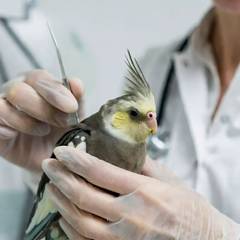
There is a set of concrete signs to watch for rather than waiting for a specific diagnosis to become obvious: ruffled or unkempt feathers, reduced eating or drinking, sleeping more than usual, labored or open-mouth breathing, tail bobbing with each breath, diarrhea or abnormal droppings, balance problems, and head tilt. Any of these, especially in combination, is worth a same-day call to an avian vet rather than a wait-and-see approach, given how much of an illness head start this species already has by the time it shows.
If you're weighing health and care demands against other small pet birds, see how the zebra finch's needs compare to the canary's, a species with its own mite-related health risks but a different social setup entirely.
The Zebra Finch encyclopedia profile has the species' wild background.
Sources & Further Reading
Last reviewed 19 Sep 2026 · 3 sources
- Merck Veterinary Manual: Nutritional Diseases of Pet Birds; Reproductive Disorders of Pet Birds; Parasitic Diseases of Pet Birds
- VCA Animal Hospitals: Recognizing the Signs of Illness in Pet Birds
- LafeberVet: Basic Information Sheet, Finch
Frequently Asked Questions
What are air sac mites in zebra finches?
A respiratory parasite (Sternostoma tracheacolum) that lives in the trachea and air sacs. Mild infections are often asymptomatic, while heavy infections bring audible dyspnea, sneezing, tail bobbing, and open-mouthed breathing. See an avian vet, this needs targeted antiparasitic treatment.
Is egg binding an emergency in zebra finches?
Yes, a genuine one. The signs are sitting on the cage floor, weakness, straining, bloody droppings, tail bobbing, a sudden stop in egg laying, and a swollen abdomen. Calcium deficiency is a major contributing cause, which is exactly why a cuttlebone matters so much for laying hens.
Can an all-seed diet cause obesity in zebra finches?
Yes. Obesity is common in companion birds fed high-fat diets, seeds among them, and it raises the risk of fatty liver disease, arthritis, atherosclerosis, and cardiac disease. This is a major reason avian vets increasingly push a pellet-forward diet for finches.
What mites affect zebra finches besides air sac mites?
Scaly face and scaly leg mites, which cause crusty buildup around the beak and legs, and red or feather mites, which cause restlessness, dull plumage, and visible nighttime scratching since these mites feed at night. Both are treatable, especially caught early.
Why is it so hard to tell when a zebra finch is sick?
Because they're a prey species. A bird's instinct is to hide any sign of weakness that would mark it for a predator, so by the time symptoms are visible, the bird has likely been sick for several days to weeks. Regular, close observation matters more than waiting for an obvious symptom.

Written by Michael Ryan
Mike keeps two rescued bearded dragons, Dex and Cera, and writes the care guides on BeastlyFacts from his own research and mistakes. He is not a veterinarian.
More about Michael Ryan →