How Much Does a Sulcata Tortoise Really Cost?
On This Page▾

Sulcata tortoises, also called African spurred tortoises, are cheap to acquire as hatchlings and one of the most expensive long-term commitments in the entire reptile hobby. The gap between those two facts is the whole story with this species.
The Tortoise: $100 to $600, or Free
Captive-bred hatchlings run $100 to $300 from breeders, with in-demand breeders charging up to $500. Juveniles run $300 to $600 or more. Adults are a different story entirely, they're frequently surrendered once owners realize what they've taken on, and many rescues place adults for free or a modest $100 to $400 adoption fee. If you have the space, adopting a full-grown adult is often the most sensible way to bring one home. Ownership itself is legal almost everywhere in the US.
Upfront Setup: $315 to $670 for a Hatchling, Escalating Fast
| Item | Cost Range |
|---|---|
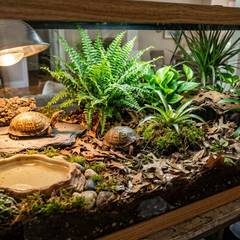
| Indoor tortoise table (hatchling and juvenile) | $120 - $300 |
| Strong T5 HO UVB fixture for indoor housing (check the length against your enclosure) | $60 - $145 |
| Basking bulb and a dome fixture | $20 - $35 |
| Thermostat | $25 - $35 |
| First supply of phosphorus-free calcium and a tortoise multivitamin | $20 - $30 |
| Cuttlebone | about $5 |
| Shallow water dish large enough to soak in | $15 - $30 |
| Diggable substrate 6 inches deep: a DIY mix of about 60% organic topsoil and 40% play sand (about 4 cubic feet for a 4 by 2 foot table) | $25 - $40 |
| Humid hide: an X-large cave | $20 - $35 |
| Damp sphagnum moss for the humid hide, holding about 70% humidity | $5 - $15 |
| Setup total | $315 - $670 |
Typical price ranges across retailers.
Adult Housing, Within a Few Years
Not part of the setup above, but not optional either: a sulcata outgrows indoor housing fast.
| Item | Cost Range |
|---|---|
| Outdoor enclosure materials + buried fencing | $300 - $1,500 |
| Heated shelter (materials + heater) | $200 - $1,000 |
| Total | $500 - $2,500 |
An indoor juvenile setup, a tortoise table with basking and UVB lighting and substrate, runs a few hundred dollars. This is the cheap phase, and it doesn't last. Outdoor adult housing is where the real cost lives. A basic outdoor enclosure with buried, escape-proof fencing can easily reach $1,000, and a proper heated shelter built around something like a ceramic heat emitter for cold nights or winters adds another $1,000 or more on top of that. The table above prices the materials and heater alone, and the temperature that shelter has to hold is what decides the running cost. Indoors, a strong T5 HO UVB fixture is non-negotiable.
Ongoing Costs: Low Day to Day, Expensive to Maintain Properly
| Item | Annual Cost |
|---|---|
| Grass hay (Bermuda, orchard, Timothy) | $100 - $200 |
| Edible weeds and leafy greens | $60 - $120 |
| Calcium supplements | $15 - $25 |
| Electricity (heated shelter) | $150 - $350 |
| Annual vet wellness check | $60 - $100 |
Typical price ranges across retailers.
Food, grass hay, edible weeds, and appropriate greens, is genuinely cheap, especially if your tortoise can graze outdoors for part of its diet. A calcium and multivitamin supplement is a small, worthwhile line item on top of that. Winter heating electricity is the main recurring expense once you're housing an adult outdoors in anything but a warm climate.
The Monthly Number by Life Stage
| Item | Monthly Cost |
|---|---|
| Hatchling indoors: greens and lights (39 W UVB, two 75 W halogens) | $17 - $23 |
| Juvenile: a 25 lb box of Timothy and greens | $28 - $51 |
| Winter heat, 150 W ceramic emitter, 12 to 24 hours | $10 - $20 |
Typical price ranges across retailers.
The annual table above assumes an adult that grazes for part of the year; these monthly figures assume bought hay. Greens are $2.44 to $3.57 a pound, call it two or three pounds a month, and a 25 pound box of Timothy is $23 to $40. The line that surprises people is not the hay, it is the winter electricity for a shelter the size of a shed. At the June 2026 US average of 18.34 cents per kWh, the indoor lights on a 12 hour day cost about $12. Outdoors, the shelter is heated to 70 to 75°F once nights fall below 50°F, and a 150 watt ceramic emitter is $10 a month at 12 hours a night and $20 around the clock.
The sulcata is the third-largest tortoise species on Earth, and it typically lives 50 to 70 years, with 70 or more achievable with good care. Bring home a hatchling today, and it may still be alive, and still growing, when your grandchildren are adults.
Vet Costs
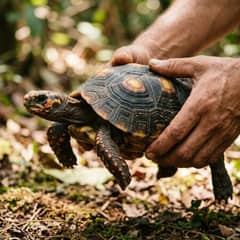
An exotic or reptile vet visit for routine care is a modest expense. Emergencies, a shell fracture or a respiratory infection, need immediate attention and can be costly. Transporting an 80-plus pound adult to a vet is its own logistical challenge worth thinking through well before you actually need to do it.
For a figure to plan around: a 90-pound sulcata in San Diego County that fell off a 10-foot wall and split its shell into three pieces needed a $4,000 surgery, with screws drilled into the shell and zip-tied together, and about a year to recover. Bladder stones are the other big-ticket problem, fairly common in tortoises and removed by surgery under general anesthesia, through the groin or by cutting a window in the plastron; a 14-year-old sulcata treated that way went home with a feeding tube. Radiographs come first in both cases. Hold an emergency fund of around $4,000, or insurance that covers exotics, before you need it.
Lifespan: The Number That Should Drive Every Other Decision
This is the detail that changes everything about how you should approach this pet. Sulcatas typically live 50 to 70 years, and 70 years or more is achievable with good care. This tortoise may genuinely outlive you. Exotic vet organizations recommend arranging a permanent caretaker or a sanctuary placement as part of your own long-term planning, not as a distant hypothetical, but as a real part of responsible ownership.
For comparison, a hedgehog, one of the smaller and shorter-lived pets in this batch, typically lives just 3 to 6 years, up to 8 to 10 with excellent care, and the hedgehog cost guide shows what that much shorter commitment looks like financially. Almost nothing else sold as a "starter" pet asks for a multi-generational plan the way a sulcata does.
The Honest Budgeting Takeaway
The cheap hatchling price tag is close to meaningless as a cost indicator for this species. What actually matters is whether you have, or will have within a few years, the outdoor space, the shelter budget, and a multi-generational plan for an animal that grows to 80 to 110 pounds and can live longer than most human lifespans.
See how this species stacks up against the hedgehog, lovebird, and guppy in Four Pets Decided Before You Ever Set Up the Tank. If the space and multi-generational commitment above gives you pause, our Sulcata Tortoise vs. Russian Tortoise guide lays out the much smaller, apartment-friendly alternative.
Check the Sulcata Tortoise encyclopedia profile for more.
Sources & Further Reading
Last reviewed 24 Sep 2026 · 6 sources
- ReptiFiles: Sulcata Tortoise Care Sheet
- Newsweek: Tortoise With Shattered Shell Gets $4,000 Surgery to Save Its Life
- Tree of Life Exotic Pet Medical Center: Bladder Stones in Tortoises
- USDA ERS: Fruit and Vegetable Prices
- Zoo Med: ReptiCare Ceramic Infrared Heat Emitter
- EIA: Average Price of Electricity to Ultimate Customers by End-Use Sector, by State
Frequently Asked Questions
How much does a sulcata tortoise itself cost?
$100 to $300 for a captive-bred hatchling, up to $500 from in-demand breeders, and $300 to $600 or more for a juvenile. Adults are the cheapest route: owners surrender them frequently, and rescues place many for free or a $100 to $400 adoption fee. If you have the space, that is often the sensible way in.
What does the initial setup cost?
An indoor juvenile setup, basking and UVB lighting, substrate, and an enclosure or tortoise table, runs a few hundred dollars. That's the cheap phase, and it doesn't last. A basic outdoor enclosure can easily reach $1,000, and a proper heated shelter for cold nights or winters adds another $1,000 or more on top of that.
What does a sulcata tortoise cost to feed and maintain day to day?
Roughly $17 to $23 monthly for a hatchling indoors and $28 to $51 for a juvenile on bought hay and greens. An adult that grazes eats mostly for free; one that cannot costs more than the juvenile figure. Winter heat adds $10 to $20.
Are vet bills expensive for a sulcata tortoise?
Routine care from an exotic or reptile vet is a modest expense. Emergencies, a shell fracture or respiratory infection, need immediate attention and can be costly: one shell repair on a 90-pound sulcata ran $4,000. Plan an emergency fund near that figure, and plan how you would get an 80-plus pound adult to the vet.
How long do sulcata tortoises live, and why does that matter for budgeting?
50 to 70 years is typical, and 70 years or more is achievable with good care. The tortoise may outlive you, which is why exotic vet organizations recommend naming a permanent caretaker or a sanctuary placement in your own long-term planning.
More on the Sulcata Tortoise
Sulcata Tortoise care guide
🐢 How to Handle a Sulcata Tortoise (While You Still Can)
🐢 Common Sulcata Tortoise Health Issues and What Causes Them
🐢 Sulcata Tortoise Enclosure Setup: Indoor Is Temporary, Outdoor Is the Goal
🐢 Sulcata Tortoise Feeding: Schedule, Diet, and Why They Stop Eating
🐢 Sulcata Tortoise Enrichment: A Hundred Pound Grazer in a Back Garden
Recommended Gear
As an Amazon Associate I earn from qualifying purchases through the links above, at no extra cost to you.

Written by Michael Ryan
Mike keeps two rescued bearded dragons, Dex and Cera, and writes the care guides on BeastlyFacts from his own research and mistakes. He is not a veterinarian.
More about Michael Ryan →