Sulcata Tortoise
Centrochelys sulcata
Beastly Facts · Updated
On This Page▾

Overview
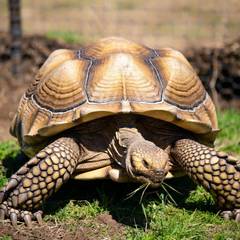
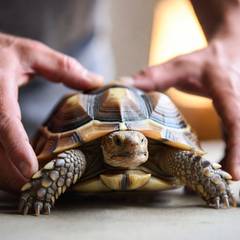
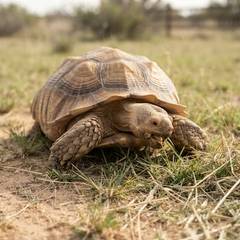
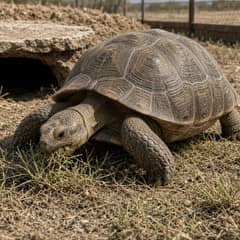
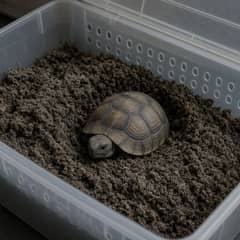
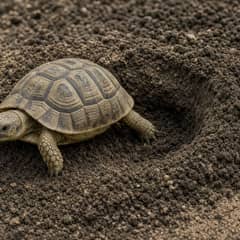
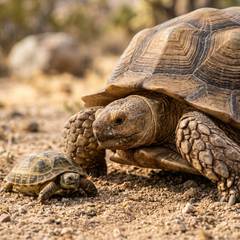
The sulcata tortoise - also known as the African spurred tortoise - is the third-largest tortoise species on Earth. Native to the Sahara desert's southern fringe (the Sahel), they survive brutal conditions by digging burrows up to 10 feet deep to escape heat. A hatchling the size of a ping-pong ball will grow to 80 to 110 lbs, and a large male past 200 - a commitment that must be made with full awareness of their adult size and a lifespan that can pass 70 years.
Quick Facts
Native Range
Sahel region of sub-Saharan Africa (Senegal to Ethiopia)
Natural Habitat
Saharan desert edge, dry grassland, and savanna
Adult Size
24-30 inches (61-76 cm); 80-110 lbs typical, with large males over 40 inches and 200 lbs
Wild Diet
Grasses, hay, succulent plants, and cactus pads
Wild Lifespan
Not documented in the wild; Animal Diversity Web puts average captive longevity at 54.3 years, and 70 years or more is achievable with good care
Conservation Status
Endangered (IUCN, 2021 assessment)
History
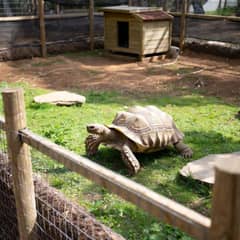
Large numbers of sulcata tortoises were exported to the United States and Europe between the early 1970s and the 1990s, which is how a Sahelian species became a common American pet. Wild populations are reported to be declining across the range under two separate pressures: competition with domestic livestock for food and space, and collection for the trade. The captive population that resulted carries its own problem, because a hatchling sold in a plastic cup grows into an animal that can outgrow a yard and outlive its owner. Rescues take in the difference.
Compare
Sulcata Tortoise
Human
Adult Size
24-30 inches (61-76 cm); 80-110 lbs typical, with large males over 40 inches and 200 lbs
5-6 feet (150-185 cm); ~135-200 lbs
Wild Lifespan
Not documented in the wild; Animal Diversity Web puts average captive longevity at 54.3 years, and 70 years or more is achievable with good care
~73 years (global average)
Wild Diet
Grasses, hay, succulent plants, and cactus pads
Omnivorous - eats just about anything
Native Range
Sahel region of sub-Saharan Africa (Senegal to Ethiopia)
Global - originated in Africa roughly 300,000 years ago
Natural Habitat
Saharan desert edge, dry grassland, and savanna
Everywhere from arctic tundra to tropical megacities
Conservation Status
Endangered (IUCN, 2021 assessment)
Least Concern (8+ billion and counting)
Test Yourself
What's the Sulcata Tortoise's native range?
Fun Facts
🐢 The Century Club
Aldabra tortoises can live for more than 100 years. At the Smithsonian's National Zoo, a tortoise named Sable arrived in 1956 already at least 30 years old. When she died in 2013, keepers estimated she was at least 87, and possibly closer to 100!
Where it is legal
10 US jurisdictions restrict this species, from outright bans to permits. Every one quotes the rule it comes from.
Legal Guide
Subscribe - it's free
New animal facts and care guides straight to your inbox. No spam.
Deep Dive
Health and More








Did You Know?
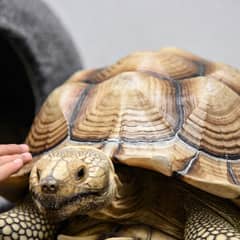
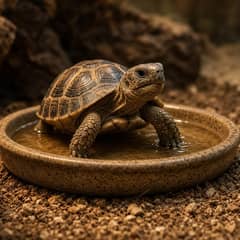
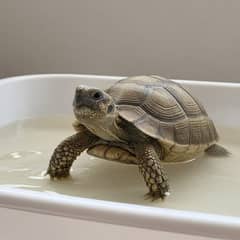
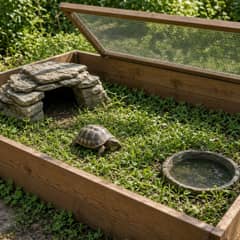
Sulcata tortoises (African spurred tortoises) are the third-largest tortoise species on Earth. A hatchling the size of a ping-pong ball can grow to over 100 lbs and 3 feet long, in the same home!
Explore More