Common Sulcata Tortoise Health Issues and What Causes Them
On This Page▾

Sulcata tortoises are hardy animals, and most of what shows up on this list traces back to a small number of husbandry factors, several of which are debated even among specialists, worth knowing about rather than treating as settled fact.
Shell Pyramiding
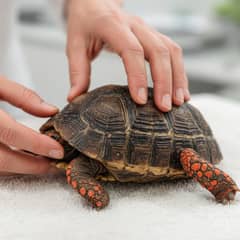
The most common issue keepers encounter. Watch for scutes that grow raised and cone-shaped instead of lying smooth and flat. This is permanent once it happens in a growing tortoise, prevention is the only real strategy.
What causes it is genuinely debated. One well-known study found that low humidity during growth was the key driver, with dietary protein playing only a minor role (Wiesner & Iben, 2003), though its humidity groups overlapped so widely that Andy Highfield of the Tortoise Trust argues the results cannot separate one condition from another. A separate study found that supplemental night heat and faster growth rates caused pyramiding even when humidity stayed constant, suggesting growth rate itself matters too (Heinrich & Heinrich, 2016). The practical takeaway either way: humid hides for growing tortoises and a properly paced diet both matter, and getting both right is your best defense.
Two separate studies on sulcata shell pyramiding reached different conclusions, one pointed to low humidity as the key driver, the other to growth rate and supplemental night heat. Specialists still don't fully agree, which is exactly why prevention, not a single fix, is the standard advice.
Shell Rot
A bacterial or fungal infection causing discoloration, a foul smell, loose scutes, and sometimes visible fluid, from substrate that's too wet or general poor hygiene. Left unaddressed it can become systemic, causing lethargy and appetite loss. Always see a vet. Keeping substrate dry rather than damp is most of the prevention here.
Metabolic Bone Disease
From insufficient UVB combined with inadequate calcium intake, resulting in a soft or deformed shell. This is preventable with proper UVB lighting and diet, and a vet visit is warranted if you suspect it. A strong T5 HO UVB fixture paired with a proper calcium and multivitamin supplement is the entire prevention strategy for this one.
Respiratory Infection
Usually from cold, damp conditions. Always see a vet, this needs treatment and won't resolve on its own. A reliable ceramic heat emitter in any outdoor shelter goes a long way toward preventing the cold, damp conditions that cause this in the first place.
Shell Fractures
The reptile equivalent of a broken bone, and it needs the same urgency. Immediate vet care and pain management matter here, don't wait to see if it improves.
Outdoor-Specific Risks Worth Knowing
A tortoise housed outdoors faces hazards that don't come up indoors. Escape through digging, fencing needs to be buried at least 12 inches deep, and escape-proof fencing built to that spec from the start saves you from finding out the hard way. Overheating on concrete in direct sun with no shade available is another real risk, and yard chemicals, fertilizers, pesticides, and snail bait are all toxic and worth eliminating entirely from any area your tortoise has access to.
The Husbandry Pattern Worth Remembering
Low humidity during the growing years is strongly linked to pyramiding, the single most common cosmetic and structural issue in this species. Wet substrate causes shell rot. Missing UVB and calcium cause metabolic bone disease. And an under-prepared outdoor space introduces real physical hazards. Nearly everything on this list connects back to setup decisions.
Humidity swings cause trouble across the exotic pet world in different ways, too little accelerates pyramiding in a growing tortoise, too much invites respiratory issues in a hedgehog, the version of the same lesson in the hedgehog health issues guide. Overfeeding and the wrong foods, fruit and animal protein especially, compound the pyramiding and organ-damage risk on top of low humidity.
Sources & Further Reading
Last reviewed 24 Sep 2026 · 3 sources
- Wiesner, C.S., & Iben, C. (2003). "Influence of environmental humidity and dietary protein on pyramidal growth of carapaces in African spurred tortoises (Geochelone sulcata)." Journal of Animal Physiology and Animal Nutrition, 87(1-2), 66-74.
- Heinrich, M.L., & Heinrich, K.K. (2016). "Effect of supplemental heat in captive African leopard tortoises (Stigmochelys pardalis) and spurred tortoises (Centrochelys sulcata) on growth rate and carapacial scute pyramiding." Journal of Exotic Pet Medicine, 25(1), 18-25. doi.org/10.1053/j.jepm.2015.12.005
- Colorado Exotic Animal Hospital / Arizona Exotics: Pyramiding in Tortoises
- Highfield, A.C., Tortoise Trust: Pyramiding: Misunderstandings, Misrepresentations and Some Very Strange Research Methods
Frequently Asked Questions
What causes shell pyramiding in sulcata tortoises?
It's debated. One well-known study put the key driver at low humidity during growth, with dietary protein only a minor factor. Another found supplemental night heat and faster growth rates produced pyramiding with humidity held constant. Either way, humid hides while a tortoise is growing and a properly paced diet are the defense, and pyramiding is permanent once it happens.
What is shell rot and how serious is it?
Bacterial or fungal. The signs are discoloration, a foul smell, loose scutes, and sometimes visible fluid, usually off substrate that's too wet or poor hygiene generally. Unaddressed, it can go systemic, with lethargy and appetite loss. Always see a vet.
What causes metabolic bone disease in sulcata tortoises?
Too little UVB alongside too little dietary calcium, which shows up as a soft or deformed shell. Proper UVB lighting and diet prevent it. See a vet if you suspect it.
Is a respiratory infection an emergency in a sulcata tortoise?
Treat it as one. It's usually caused by cold, damp conditions, and it needs veterinary treatment, it won't resolve on its own.
What outdoor hazards should I watch for with a sulcata tortoise?
Digging out, which is why fencing has to be buried at least 12 inches deep. Overheating on concrete in direct sun with no shade. And yard chemicals: fertilizers, pesticides, and snail bait are toxic, so clear them from anywhere the tortoise can reach.
More on the Sulcata Tortoise
Sulcata Tortoise care guide
🐢 How Much Does a Sulcata Tortoise Really Cost?
🐢 How to Handle a Sulcata Tortoise (While You Still Can)
🐢 Sulcata Tortoise Enclosure Setup: Indoor Is Temporary, Outdoor Is the Goal
🐢 Sulcata Tortoise Feeding: Schedule, Diet, and Why They Stop Eating
🐢 Sulcata Tortoise Enrichment: A Hundred Pound Grazer in a Back Garden
Recommended Gear
As an Amazon Associate I earn from qualifying purchases through the links above, at no extra cost to you.
Written by Michael Ryan
Mike keeps two rescued bearded dragons, Dex and Cera, and writes the care guides on BeastlyFacts from his own research and mistakes. He is not a veterinarian.
More about Michael Ryan →