Reptile Emergency Plan: Power Outages, Travel, and Pet Sitters
On This Page▾

Every pet reptile depends on an electrical outlet for the one thing it can't produce on its own: body heat. That single dependency is what makes power outages, travel, and pet sitters genuinely higher stakes for a reptile than for a cat or dog, and it's also why the plan for handling all three is basically the same plan, built around temperature, time, and a clear set of instructions for whoever's filling in. This guide works across species. Use it alongside your animal's own care guide, since the exact numbers still come from there.
How Cold Is Too Cold, By Species
A healthy adult reptile tolerates one ordinary cool night without harm, that's not an emergency, it's Tuesday. The real risk is duration. Sustained lower temperatures leave a reptile more open to bacterial infection and can stop it eating, and an abrupt temperature swing is harder on the immune system and digestion than a stable cooler reading would be. Veterinary texts frame this around each species' preferred optimal temperature zone (POTZ), the band a reptile needs to manage its own metabolism, digestion, and immune response. Push a reptile meaningfully below its POTZ for more than a day or two and you're not just looking at a sluggish animal, you're looking at the textbook setup for a respiratory or bacterial infection.
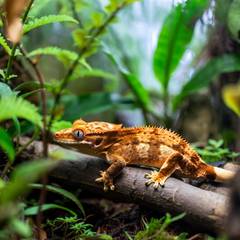
The floors below come from each species' own tank setup guide, cross-checked against veterinary husbandry references. For the crested gecko, the nighttime range of 65 to 72°F (18 to 22°C) is a separate figure from the 70 to 75°F cool area at the bottom of the enclosure during the day. The gargoyle gecko can drop to the mid-60s at night, with 65°F as its floor. Treat "normal night low" as the coldest reading that's already fine, and the second column as the point where it's time to add heat, move the animal, or call ahead to a sitter.
| Species | Normal night low | Act below this |
|---|---|---|
| Bearded dragon | 65°F (18°C) | 60°F (16°C) for more than a day or two |
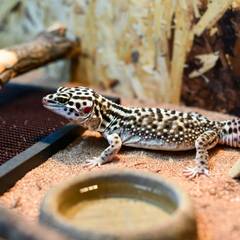
| Leopard gecko | 70°F (21°C) | 65°F (18°C) |
| African fat-tailed gecko | 70-75°F (21-24°C) | 70°F (21°C) |
| Crested gecko | 65-72°F (18-22°C) overnight | Sustained below 72°F (22°C) day and night causes lethargy and appetite loss |
| Gargoyle gecko | 65-72°F (18-22°C) overnight | 65°F (18°C) |
| Ball python | 72-75°F (22-24°C) | Below this range for more than a day or two, the classic winter trigger for respiratory infection |
| Corn snake | 65-75°F (18-24°C) | 65°F (18°C) |
| California kingsnake | 68-72°F (20-22°C) | 68°F (20°C) |
| Milk snake | 70-75°F (21-24°C) | 70°F (21°C) |
| Boa constrictor | 70-80°F (21-27°C) | 70°F (21°C) |
| Hognose snake | Room temperature, no colder than 60°F (16°C) | 60°F (16°C) |
| Blue-tongue skink | Stays above ~70°F (21°C) | 70°F (21°C) |
| Uromastyx | 68°F (20°C) | 68°F (20°C), and never below 65°F, tighter than a comfortable night for most other desert species |
| Savannah & ackie monitor | 70-75°F (21-24°C) | 70°F (21°C) |
| Russian tortoise | Tolerates to 60°F (16°C) | 60°F (16°C) outside an intentional brumation period |
| Sulcata tortoise | Never sustained below 70°F (21°C) | 70°F (21°C) indoors, 50°F (10°C) outdoors with heated shelter |
| Box turtle | 65-70°F (18-21°C) overnight indoors | 60°F (16°C), the outdoor line for this species |
| Red-eared slider | Water 75-80°F (24-27°C) | Water below 65-70°F (18-21°C) overnight is when bacterial infection risk and appetite loss start |
| Veiled chameleon | 55-65°F (13-18°C), a beneficial night drop | This species is naturally cold-tolerant overnight, the real danger for chameleons is heat and dehydration, not cold |
Cold stress rarely looks dramatic at first. The early signs are a sluggish, hard-to-rouse animal that stops basking, refuses food it would normally take, and digests slower than usual, the whole-body slowdown that cold causes. The signs that mean stop managing it yourself and call a vet are open-mouth breathing, audible wheezing or clicking, mucus around the nose or mouth, and any animal that stays limp or unresponsive once it's back in a normal temperature range. Those match the respiratory red flags in every species' health issues guide, because a cold-triggered infection presents the same way regardless of species.
Two things stand out reading across that table. First, snakes and heavy-bodied lizards buffer cold better than small geckos, more body mass loses heat more slowly, so a ball python or boa has more margin than a leopard gecko in the same room. Second, the desert and tropical basking species, bearded dragons, uromastyx, the monitors, have the least room to spare, since their entire physiology is built around consistent heat. If your species isn't listed, check its tank setup guide for the documented nighttime low and use that as your floor, the same way this table was built.
When the Power Goes Out
Do
- Keep the animal at or above its species' floor from the table above. A battery or wind-up thermometer left in the enclosure tells you the real number, not a guess.
- Drape thick towels or a blanket over the enclosure, leaving a vent gap, to hold in what heat is left.
- Move the enclosure, or the animal in a ventilated tub, to the warmest room in the house, usually one without exterior walls.
- Place a wrapped hot water bottle or a commercial hand warmer beside the animal, never touching it directly.
- Stop feeding insects or prey. Offer water, and for plant-eating species a little greens, until heat is reliably back.
- Past a day or two below the floor for your species, board it with a vet, an experienced friend with power, or a reptile-specialty shop.
Don't
- Don't use candles, gas stoves, or any open flame near an enclosure. It's a real fire and carbon monoxide risk that outweighs the cold.
- Don't put a heat pack in direct skin contact. An animal that's cold and sluggish can't move away fast enough and will burn.
- Don't feed prey items "to keep its strength up." Undigested food sitting in a cold gut is a bacterial and impaction risk, not a benefit.
- Don't warm a cold, unresponsive animal in hot water. Lukewarm water only, and only once it's alert and moving normally.
Outage kit, packed before you need it: two or three commercial hand warmers or a hot water bottle, two thick towels, a battery or wind-up thermometer, a ventilated tub sized for your animal, and your reptile vet and 24-hour exotics clinic numbers written down, not just saved in a phone that might die.
Leaving Town: How Long Is Too Long
Trip length, not the calendar, is what decides whether a reptile needs a sitter, and how often. As a rough scaffold across species with a stable adult setup on timers and a working thermostat:
| Trip length | Typical adult | Juvenile or a daily-care species |
|---|---|---|
| 1 to 2 nights | Often fine alone. Lights on timers, thermostat running, fresh water and, for herbivores, a salad before you leave. | A sitter once a day for food, water, and a temperature check. |
| 3 to 7 nights | A sitter every 1 to 2 days for water, a stool check, and a temperature glance. Feed on the normal schedule. | A sitter daily, with pre-portioned food and written instructions. |
| Over a week | A daily sitter who has done a practice visit, or boarding with a reptile-experienced vet or shop. | Same, non-negotiable. Never a general dog-and-cat boarding facility for a young or high-maintenance animal. |
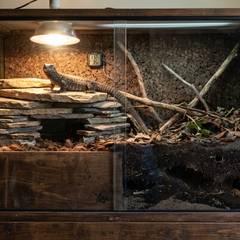
Worked example, straight from our own bearded dragon care package: an adult on a 1 to 2 night trip needs nothing beyond timers and a filled water dish, no insects required. On a 3 to 7 night trip, that same adult needs a sitter every 1 to 2 days for greens, water, a stool check, and a temperature check, with insects offered twice across the week. A juvenile under 12 months needs a daily sitter on any trip past a single night, since it's still building bone density on a tighter feeding and supplement schedule than an adult. If your species has genuinely daily needs, misting for a crested gecko or chameleon, live plants for a tortoise, filtration checks for an aquatic turtle, shift every row in that table one tier stricter.
Age and health status shift it further. A dragon or gecko recovering from illness, mid-shed, gravid, or under a year old has less reserve than a stable healthy adult, and deserves the juvenile column's visit schedule regardless of what the calendar says about the trip. When in doubt between the two columns, book the more frequent visit, a sitter checking in on an animal that turns out to be fine costs you nothing, while the reverse mistake can cost days you don't get back.
Transport and Vet Trips
A ventilated plastic tub or small carrier with a towel to grip beats a traditional wire pet carrier for almost every reptile, since it holds heat and doesn't let the animal see everything rushing past, which adds stress on top of the trip itself. Keep it in a dark, room-temperature bag or box rather than loose on a seat, with no loose substrate and no open water dish that can spill.
Warm the car before loading in cold weather, and for any trip over about 30 minutes in weather below 65°F (18°C), pack a wrapped hand warmer beside the tub, not touching the animal, the same rule as an outage. Skip the morning meal before a trip for the same digestion reason as a power outage. Never leave a reptile in a parked car, hot or cold, even for a few minutes, temperatures inside a closed car swing far faster than most owners expect. If you're moving house rather than making a vet run, set the new enclosure up and fully running, heat, UVB, and thermostat checked, before the animal arrives, the same as day one in a brand-new setup.
On the drive itself, check the tub every 20 to 30 minutes at a stop rather than only at the destination. A reptile that's gone glassy-eyed, gone limp, or stopped gripping the towel is telling you the tub has dropped below its floor faster than you planned for, and the fix is the same as an outage: add a wrapped heat source, find warmth, and end the trip early if a vet visit was the point of driving in the first place.
Build Your Pet-Sitter Sheet
A sitter doesn't need your whole care guide, they need one page that removes every judgment call. Build it once and it's ready for the next trip too:
- Contact block: your phone number, your reptile vet, the nearest 24-hour exotics clinic, and a backup contact if you're unreachable.
- The numbers: warm-side and cool-side target temperatures in both °F and °C, what time the lights come on and off, and what a normal stool and normal urate look like for your animal.
- Feeding, written out: what to feed, how much, which days, and where it's stored. Spell out supplement dusting days separately, that's the detail sitters most often skip or double up on by accident.
- A short "please don't" list: don't take the animal out unless we've discussed it, don't touch any dial or timer, don't feed anything not on this sheet.
- A clear "call me if" list: lights off during the day, the warm end reading below its floor from the table above, open-mouth breathing, no movement across two visits, or anything protruding that shouldn't be. If you can't be reached, call the vet number above.
Walk your sitter through the actual enclosure once in person before their first solo visit, ideally with a practice run where you're still nearby but not actively supervising every step. A sheet backs up a real conversation, it doesn't replace one, and a practice visit catches the gap between "I understand the instructions" and "I actually know where the calcium jar is and how much a pinch looks like." That single trial run is what turns a three-night trip into something you don't spend the whole time worrying about.
A bearded dragon's beard turning black is normal thermoregulation and stress signaling, not automatically an emergency, but a black beard that lasts an entire sitter visit alongside lethargy or a refused meal is exactly the kind of thing a good pet-sitter sheet should flag as a call, not a wait-and-see.
The Real Takeaway
The plan for a power outage, a week away, and a pet sitter all reduce to the same three questions: is this animal above its species' cold floor, has anyone actually written the temperature numbers down somewhere other than your own memory, and does the person in charge know exactly who to call if something looks wrong. Get those three right and the specifics, insects twice a week or once, a sitter every day or every other, mostly sort themselves out. The bearded dragon health issues guide and the ball python health issues guide cover the conditions those cold floors are trying to prevent in the first place.
Sources & Further Reading
Last reviewed 15 Sep 2026 · 4 sources
- Merck Veterinary Manual: Clinical Procedures for Reptiles; Important Husbandry Requirements for Selected Reptiles
- VCA Animal Hospitals: Aquatic Turtles, Housing; Box Turtles, Housing
- Chicago Exotics Animal Hospital: Uromastyx Care
- ReptiFiles Crested Gecko Care Sheet, republished by Zen Habitats
Frequently Asked Questions
How long can a pet reptile go without heat during a power outage?
A healthy adult in most commonly kept species tolerates a few hours to one cool night without real harm. The risk climbs with time, not with a single cold hour: a day or two below a species' normal nighttime low is when cold stress and secondary respiratory infection become a real concern, because sustained cold suppresses a reptile's immune response.
Is it safe to use a heating pad or hand warmer directly against a reptile during an emergency?
No. Any emergency heat source, a hot water bottle, a shipping hand warmer, or a heat pack, needs to sit beside the animal wrapped in a towel, never in direct contact. Reptiles can suffer serious thermal burns from a source they can't move away from fast enough, which is a more immediate risk than the cold itself.
Should I feed my reptile before a power outage or a car trip?
No, stop feeding insects or prey items once you know heat is unreliable, and skip the morning meal before any transport. Digestion depends on the same warm gut temperature the animal can't produce on its own, and food sitting undigested in a cold gut is a real impaction and bacterial risk. Water and, for herbivores and omnivores, a little greens are fine.
How often does a pet sitter need to visit a reptile while I'm away?
It depends on species and trip length more than on a fixed rule. Many adult desert and temperate lizards and snakes are genuinely fine alone for one to two nights with lights on timers and a thermostat running, while a juvenile or a species with daily wet or live-food needs, like a chameleon or an aquatic turtle, needs a visit at least once a day even for a short trip.
What's the single most useful thing to leave with a pet sitter?
A one-page sheet with your reptile vet's number, the emergency clinic number, the normal temperature range in your own handwriting, and a clear list of what not to do. Sitters call the wrong number or guess at a setting far more often than they miss an obvious symptom, so the sheet's job is removing guesswork, not just listing tasks.
Do all reptiles need boarding if I'm gone for more than a week?
Most do better with a daily sitter who has done a practice visit than with unfamiliar boarding, but a reptile-experienced exotics vet or specialty reptile shop is a reasonable option if no sitter is available. General boarding facilities built around dogs and cats are not an equivalent substitute, staff there typically can't read reptile-specific stress or illness signs.

Written by Michael Ryan
Mike keeps two rescued bearded dragons, Dex and Cera, and writes the care guides on BeastlyFacts from his own research and mistakes. He is not a veterinarian.
More about Michael Ryan →