Gargoyle Gecko Feeding: Schedule, Diet, and Why They Stop Eating
On This Page▾

Gargoyle geckos look a lot like their crested gecko cousins at the feeding dish, but they're more carnivorous, which changes what "a complete diet" means for this species.
Feeding Schedule by Age
- Hatchlings and juveniles (0 to 12 months): Fresh commercial gecko diet (CGD) daily. One detailed care sheet instead splits this into hatchling (0 to 12 weeks, 2 to 3 times daily) and juvenile/subadult stages (once daily), a meaningfully different breakdown, not just different phrasing.
- Adults (12+ months): CGD every 2 to 3 days, or every other day per the more granular life-stage breakdown.
- Live insects: Most sources say 1 to 2 times a week for juveniles, once a week for adults, one source says at least 3 times weekly. One specialist source is a real outlier, recommending insects no more than twice a month, specifically citing obesity risk in this species. Treat the weekly figures as the majority view and the twice-monthly figure as a notable, more conservative minority position.
What Gargoyle Geckos Eat
The staple is a commercial powdered crested gecko diet, mixed with water to a ketchup-like consistency, roughly 2 to 3 parts water to 1 part powder. Offer it in a small cup or on a feeding ledge, gargoyles are arboreal climbers. Rotate 3 or more brands or flavors for variety and to avoid pickiness.

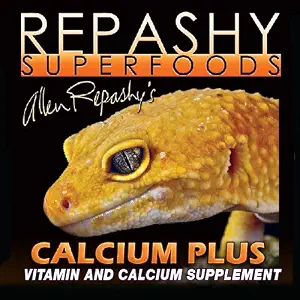
Unlike crested geckos, live insects here are described as a required supplement, not optional enrichment, gargoyle geckos are unusually carnivorous for New Caledonian geckos. Staples include gut-loaded dubia roaches, discoid roaches, red runner roaches, crickets, and black soldier fly larvae, with hornworms, waxworms, and butterworms as occasional fattier treats. Gut-load insects 24 to 48 hours before feeding and dust with a calcium supplement without D3 for most feedings, with a D3-inclusive product periodically. Occasional pinky mice, roughly once or twice a month, are an enrichment treat some keepers use, with clear warnings that overuse causes obesity.
Safe Treats and Foods to Avoid
Safe, in moderation: calcium-rich, low-phosphorus fruit purees alongside CGD, plus waxworms, butterworms, hornworms, and sparing pinky mice as protein treats.
Avoid: avocado (contains persin, whose documented toxicity is in birds and mammals rather than reptiles, so the avoid-avocado guidance is precautionary. The specific "death within 24 hours" claim repeated on some pet blogs is not traceable to a real toxicology source). Citrus fruits are too acidic and can cause diarrhea, starfruit and rhubarb are high in oxalates, rhubarb specifically called potentially lethal. Skip garlic, onion, and eggplant, and dairy entirely, geckos are lactose intolerant. Wild-caught insects carry real pesticide and parasite risk, and processed or sugary human food has the wrong nutrient profile.
Why Gargoyle Geckos Stop Eating
- Shedding. Many geckos skip a meal or two in the days leading up to a shed, returning to normal once it's complete.
- Breeding season. Males commonly go off food at the start of breeding season, and females may stop eating while gravid or before laying due to physical discomfort, sometimes for a week or more.
- Stress. A new enclosure, rehoming, substrate changes, excessive handling, or being bullied by a tankmate can suppress appetite, geckos may hold out for weeks while adjusting. Juveniles housed together can also nip and eat each other's tails, one reason breeders keep juvenile group sizes small.
- An enclosure that's too cool. Gargoyle geckos need adequately warm temperatures to digest food, a warm side that runs too cool slows digestion and drops appetite as a direct husbandry symptom.
- A mild winter slowdown. Unlike species with true brumation, gargoyle geckos show a lighter seasonal slowdown, reduced appetite, less climbing, more hiding, typically lasting a few weeks with no deliberate cooling required.
- Illness. Reduced eating alongside visible lesions, a swollen belly, rubbery limbs, respiratory issues, or mouth sores points to a real health problem rather than a normal dip.
When to Worry
A healthy, well-hydrated adult can reportedly go up to 2 to 3 weeks without food. Juveniles are more vulnerable and shouldn't go past about 4 to 5 days given their growth needs, and a sick or already-underweight gecko shouldn't go more than a few days without eating either. Water is more time-critical than food, don't let a gecko go more than 2 to 3 days without water access regardless of appetite status.
See a vet if the gecko hasn't eaten in about two weeks and is also losing weight, or if appetite loss persists beyond roughly a week alongside other red flags: rapid weight loss, most easily seen as thinning at the tail (gargoyle geckos use it as a fat-storage organ), lethargy, visible lesions, mouth sores, eye film or swelling, labored breathing, or rubbery limbs, a metabolic bone disease sign. Regular weighing is the most objective way to catch a real problem early, a small amount of natural fluctuation isn't itself alarming.
For the live-insect portion of the diet, our gut-loading feeder insects guide covers what to feed feeders and the calcium to phosphorus problem behind the whole practice.
The Gargoyle Gecko encyclopedia profile covers the species itself, beyond keeping one.
Sources & Further Reading
Last reviewed 3 Sep 2026 · 2 sources
❓ Frequently Asked Questions
How often should I feed my gargoyle gecko?
Hatchlings and juveniles get fresh commercial gecko diet daily, adults every 2 to 3 days, though one detailed care sheet breaks life stages out differently and lands on every other day for full adults. For live insects specifically, most sources say weekly for adults, though one specialist source recommends as little as twice a month, citing obesity risk, a real disagreement worth knowing.
Do gargoyle geckos need live insects, or is powder enough?
Unlike crested geckos, insects are described as a required supplement here, not optional enrichment. Gargoyle geckos are unusually carnivorous for their gecko family, wild individuals are documented preying on other lizards, even young crested geckos, alongside insects.
What's the right ratio for mixing powdered gecko diet?
Roughly 2 to 3 parts water to 1 part powder, mixed to a ketchup-like consistency, offered in a small cup or on a feeding ledge since gargoyles are arboreal climbers. Rotate 3 or more brands or flavors for variety and to head off pickiness.
Why has my gargoyle gecko stopped eating?
Shedding, breeding season, and stress from a new environment are all normal explanations. A mild seasonal winter slowdown, lighter than true brumation, is also normal and doesn't need deliberate cooling. An enclosure that's too cool for proper digestion is a common fixable cause.
How long can a gargoyle gecko go without eating?
Reportedly 2 to 3 weeks for a healthy, well-hydrated adult. A juvenile is more vulnerable, and shouldn't pass roughly 4 to 5 days while growing. Water matters sooner: no gecko should be without water access for more than 2 to 3 days, whatever its appetite.
What foods are dangerous for gargoyle geckos?
Avocado, citrus fruits, starfruit, and rhubarb are all flagged, rhubarb specifically as potentially lethal. Garlic, onion, eggplant, and dairy should also be avoided, geckos are lactose intolerant.
📰 More on the Gargoyle Gecko
📘 Gargoyle Gecko care guide
🦎 How Much Does a Gargoyle Gecko Really Cost?
🦎 How to Handle a Gargoyle Gecko (And How It Differs From a Crested Gecko)
🦎 Common Gargoyle Gecko Health Issues and What Causes Them
🦎 Gargoyle Gecko Tank Setup: A Cool-Climate Species That Doesn't Want Your Heat Lamp
🦎 Gargoyle Gecko Enrichment: Build Up, and Fill What You Build
🛒 Recommended Gear
As an Amazon Associate, we earn from qualifying purchases through the links above - at no extra cost to you.

Written by Michael Ryan
Mike keeps two rescued bearded dragons, Dex and Cera, and writes the care guides on BeastlyFacts from his own research and mistakes. He is not a veterinarian.
More about Michael Ryan →Comments
No comments yet - be the first!