California Kingsnake Enclosure Setup
On This Page▾

California kingsnake husbandry is straightforward, a big part of why this species has such a strong beginner reputation. Get the basics right and there's not much complexity beyond that.
Enclosure Size
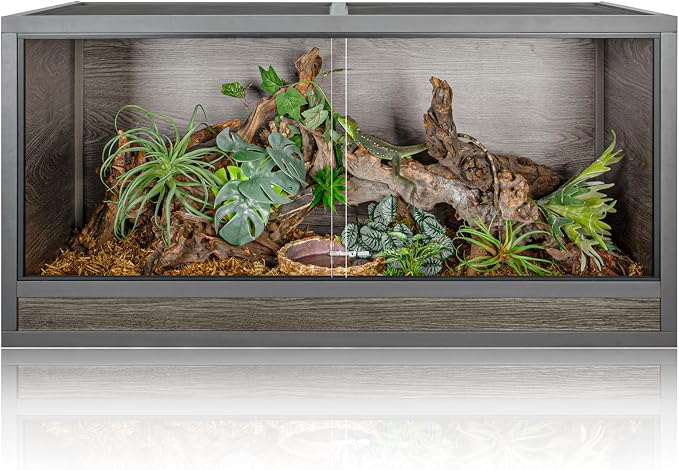
A 20-gallon tank works for a hatchling or young snake, but the ideal adult enclosure is a 48 inches long by 24 inches wide by 24 inches tall front-opening setup. As a general guide, enclosure length should be at least two-thirds of your snake's body length, these are active snakes that genuinely use the space they're given, not one that sits still in a corner.
Temperature
| Zone | Target Temperature |
|---|---|
| Basking/warm side | 85 - 90°F |
| Cool side | 70 - 80°F |
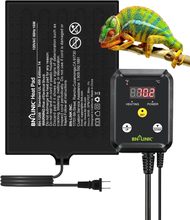
An under-tank heat pad, overhead heat source, or both work well, always run through a thermostat.
Humidity
Keep it relatively low, 40 to 60%. A well-ventilated enclosure and a water bowl that isn't overfilled both help maintain this range without extra effort.
Substrate
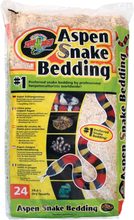
Aspen shavings are the classic, well-supported choice for this species, supporting natural burrowing behavior. Cypress mulch, sani-chips, or a commercial forest-floor product also work. Avoid pine and cedar entirely, both release aromatic oils that irritate the respiratory system, and skip sand or any chemically treated substrate.
Lighting
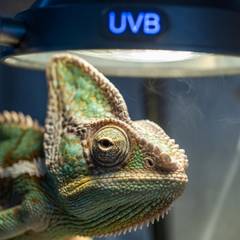
No strict UVB requirement if your snake gets a natural light cycle from the room it's kept in, though low-level UVB offers some benefit and is worth adding if convenient.
California kingsnakes are such accomplished escape artists that a loose lid isn't just a minor risk, it's genuinely one of the top reasons keepers lose track of this species. A tightly clamped lid matters as much as any temperature or humidity number on this page.
The Non-Obvious Requirement: Security, on Two Fronts
California kingsnakes are genuinely accomplished escape artists, a tightly clamped, secure lid isn't optional, it's essential. The second, equally important security requirement isn't about the lid at all: never house a kingsnake with or near another snake. This species retains a real cannibalistic drive, and it belongs in the setup conversation because it determines how you plan your entire reptile room, not just this one enclosure, whether that room also holds a milk snake, a boa constrictor, or nothing else at all.
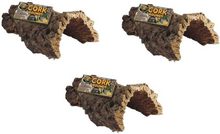
Furnish the enclosure with two cork bark hides, one on each end of the temperature gradient. A corn snake asks for much the same build, without the rule about what else lives in the room.
❓ Frequently Asked Questions
What size enclosure does an adult California kingsnake need?
Hatchlings and young snakes do fine in a 20-gallon; the ideal adult enclosure is 48 by 24 by 24 inches. As a rule, length should run at least two-thirds of the snake's body length, since these are active snakes that use the space.
What temperature does a California kingsnake enclosure need?
Warm side 85 to 90°F, cool side 70 to 80°F. Get there with an under-tank heat pad, an overhead source, or both, always on a thermostat.
What humidity does a California kingsnake need?
Low, 40 to 60%. Good ventilation and a water bowl that isn't overfilled hold that range on their own.
What substrate is best for a California kingsnake?
Aspen shavings, the classic choice, since they support natural burrowing. Cypress mulch, sani-chips, and commercial forest-floor products also work. Pine and cedar are out, their aromatic oils irritate the respiratory system, and so are sand and anything chemically treated.
Does a California kingsnake need UVB lighting?
Not strictly, as long as the room gives a natural light cycle. Low-level UVB still offers some benefit, so add it if that is convenient.
What are the two most important security requirements for this species?
California kingsnakes are accomplished escape artists, so a tightly clamped, secure lid isn't optional. The second requirement isn't about the lid at all: never house a kingsnake with or near another snake, since this species retains a real cannibalistic drive.
🛒 Recommended Gear
As an Amazon Associate, we earn from qualifying purchases through the links above - at no extra cost to you.
Written by Michael Ryan
Mike keeps two rescued bearded dragons, Dex and Cera, and writes the care guides on BeastlyFacts from his own research and mistakes. He is not a veterinarian.
More about Michael Ryan →Comments
No comments yet - be the first!