Tiger Salamander Enclosure Setup: Deep Substrate for a Species That Lives Underground
On This Page▾

Tiger salamander husbandry is straightforward once you accept the central fact about this species: it's built to burrow, and the setup needs to support that, not fight against it.
Enclosure Size
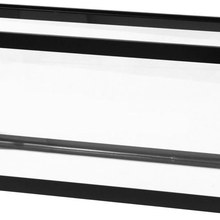
A 20-gallon long tank, 24 inches long by 18 inches wide by 12 inches tall, works as a minimum for a single adult. Favor horizontal floor space over height, this is a ground-dwelling, burrowing species, not a climber. Cohabitation generally isn't recommended, competition and even cannibalism are real risks, though some very large enclosures can occasionally support a small group, worth researching carefully before attempting.
Temperature
60 to 75°F, and genuinely never above about 78°F, heat stress is a real concern for this species. Most rooms need no supplemental heat at all if they stay above roughly 60°F. Keep the enclosure out of direct sunlight entirely, a window can heat a tank to dangerous levels surprisingly fast. A digital thermometer and hygrometer combo makes both temperature and humidity easy to track at a glance.
Humidity
70 to 75%, maintained through consistently moist, never soggy, substrate and a shallow water dish. A moisture gradient, one end of the enclosure slightly damper than the other, gives your salamander some choice in where to settle.
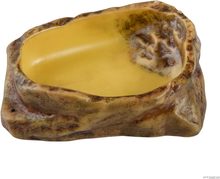
Extra substrate depth beyond the 3 to 4 inch minimum is basically never wasted on this species, given how much it actually burrows in the wild. A shallow layer that looks fine on the surface can still leave a tiger salamander without enough room to do what comes naturally.
Substrate: The Single Most Important Decision in This Setup
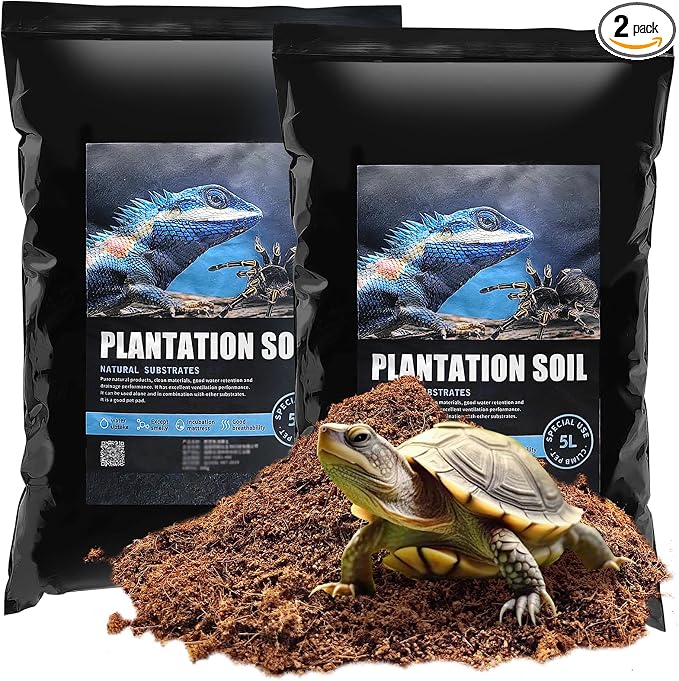
This is the defining requirement for the species. Provide at least 3 to 4 inches of moisture-retentive, burrow-supporting material, coconut fiber, a commercial reptile soil product, organic fertilizer-free topsoil, or cypress mulch all work, and deeper is better given how much this species actually burrows in the wild. Avoid peat moss specifically, its acidity can cause real harm over time, and skip gravel, sand, small bark chips, and anything containing vermiculite or perlite, all carry genuine impaction or skin irritation risk.
Water
A shallow dish of dechlorinated water should always be available. Treat all water with a conditioner before use, or use spring or distilled water instead.

Lighting
This species is largely nocturnal and fossorial, and doesn't require UVB, though a low level is considered optional and potentially beneficial by some sources. A low-wattage light on a normal 10 to 12 hour day and night cycle supports a healthy rhythm without adding unnecessary heat.
The Non-Obvious Requirement: Plan for a Life Stage Change
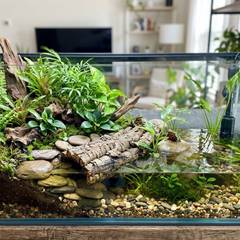
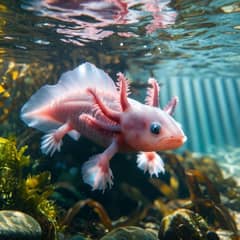
If you're starting with a young larval salamander, its early setup looks essentially identical to an axolotl's, fully aquatic. As it metamorphoses into its terrestrial adult form, you'll need to transition the enclosure entirely, from a water-based setup to the deep, burrowable terrestrial one described above. This is a normal part of the species' development, not something gone wrong, but it does mean planning for a genuine setup change partway through your salamander's early life.
Tiger salamanders are part of our four species comparison, see how they stack up against the Green Anole, Argentine Tegu, Fire-Bellied Toad & Tiger Salamander compared.
❓ Frequently Asked Questions
What size enclosure does a tiger salamander need?
24 by 18 by 12 inches, about a 20-gallon footprint, for one adult. Floor space beats height here: this is a ground-dwelling burrower, not a climber.
Can tiger salamanders be housed together?
Usually not. Competition and even cannibalism are real risks, though a very large enclosure can sometimes hold a small group, worth researching before you try it.
What temperature and humidity does a tiger salamander need?
60 to 75°F, and never above about 78°F, since heat stress is a real concern. Humidity should stay around 70 to 75%, maintained through consistently moist, never soggy, substrate and a shallow water dish.
What substrate should I use for a tiger salamander?
At least 3 to 4 inches of moisture-retentive material that holds a burrow: coconut fiber, a commercial reptile soil, organic fertilizer-free topsoil, or cypress mulch. Deeper is better. Skip peat moss, gravel, sand, small bark chips, and anything with vermiculite or perlite.
Does a tiger salamander need UVB lighting?
No. It's largely nocturnal and fossorial, so UVB isn't required, though some sources consider a low level optional and possibly beneficial. Run a low-wattage light on a 10 to 12 hour cycle.
Do I need to change the setup as my tiger salamander grows?
Yes. A larval salamander starts in what is essentially an axolotl's setup, fully aquatic. Once it metamorphoses into the terrestrial adult, the whole enclosure has to change over to the deep, burrowable one above.
📰 More on the Tiger Salamander
📘 Tiger Salamander care guide
🦎 How Much Does a Tiger Salamander Really Cost?
🦎 How to Handle a Tiger Salamander (And Why You Mostly Won't See One)
🦎 Common Tiger Salamander Health Issues
🦎 Tiger Salamander Enrichment: Underground Is Where the Animal Lives
🦎 Is It Legal to Own a Tiger Salamander? Three Separate Rules Explained
🛒 Recommended Gear
As an Amazon Associate, we earn from qualifying purchases through the links above - at no extra cost to you.

Written by Michael Ryan
Mike keeps two rescued bearded dragons, Dex and Cera, and writes the care guides on BeastlyFacts from his own research and mistakes. He is not a veterinarian.
More about Michael Ryan →Comments
No comments yet - be the first!