How Much Does a Tiger Salamander Really Cost?
On This Page▾

Tiger salamanders are affordable, and the budgeting story with this species is more about longevity than any single expensive line item.
A 2025 federal rule also touches this species, though not in the way headlines suggested.
The Salamander Itself: $30 to $125
Barred and eastern tiger salamanders, the most common types in the trade, typically run $30 to $50 as juveniles. Rarer morphs and larger, more mature animals can reach $125 or more. One thing worth knowing before you buy, the California tiger salamander is a protected, endangered species and isn't legally available as a pet, so make sure you're buying a different, legally kept species instead.
Upfront Setup: Roughly $150 to $400
| Item | Cost Range |
|---|---|
| Tank, 20-gallon long | $35 - $60 |
| Deep, moisture-retentive substrate | $10 - $16 |
| Water conditioner | $8 - $12 |
| Shallow water dish | $8 - $14 |
| Hides and decor | Varies |
| Thermometer and hygrometer combo | $11 - $19 |




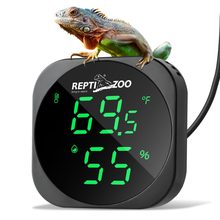
A 20-gallon-long or similarly sized tank works well here, horizontal footprint matters more than height for this species. The substrate is genuinely important, and it's not a place to cut corners.
A tiger salamander bought for as little as $30 can easily outlive plenty of pets people think of as long-term commitments. A recognized longevity database puts the captive record at 25 years, solidly in reptile territory despite this being one of the more affordable amphibians on the market.
Ongoing Costs: Roughly $15 to $30 a Month
Live feeders, nightcrawlers, crickets, and roaches among the common choices, make up nearly the entire monthly cost, genuinely modest for this species. Feeding discipline matters more than the dollar amount here though, and overfeeding is the most common problem keepers run into.
Vet Costs
A routine exotic exam runs $50 to $135, sometimes cited higher, $150 to $300, for a thorough workup. Emergency visits start around $150 to $300 before diagnostics.
Lifespan: Long for an Amphibian
12 to 15 years is typical, with well-documented cases reaching considerably longer. A recognized longevity database records a captive maximum of 25 years for this species, and wildlife agencies corroborate a range of 10 to 16 years in the wild, up to 25 in captivity. This is a long-term commitment, easily rivaling many reptiles, despite the animal's modest price and low ongoing cost.
Larval tiger salamanders, interestingly, start out looking and living almost exactly like an axolotl, before metamorphosing into the terrestrial, burrowing adult described above. The Tiger Salamander vs. Axolotl guide goes further into how the two actually compare once you get past that larval resemblance.
The Honest Budgeting Takeaway
This is one of the more affordable pets on this entire site to buy and maintain month to month, but the real number to sit with is the potential 15 to 25 year lifespan. A cheap animal with a long life ahead of it is still a real, serious commitment, just one that happens to be financially modest along the way.
Tiger salamanders are part of our four species comparison, see how they stack up against the Green Anole, Argentine Tegu, Fire-Bellied Toad & Tiger Salamander compared.
❓ Frequently Asked Questions
How much does a tiger salamander cost to buy?
$30 to $50 for juvenile barred or eastern tiger salamanders, the most common types in the trade. Rarer morphs and larger, more mature animals can reach $125 or more.
Can I buy a California tiger salamander as a pet?
No. The California tiger salamander is endangered and protected, so it isn't sold legally as a pet. Check that whatever you buy is a different, legally kept species.
What does a full tiger salamander setup cost upfront?
Roughly $150 to $400, covering a 20-gallon-long tank, deep moisture-retentive substrate, water conditioner, a shallow water dish, hides and decor, and a thermometer and hygrometer combo.
What are the ongoing monthly costs for a tiger salamander?
Roughly $15 to $30 a month, almost entirely live feeders like nightcrawlers, crickets, and roaches, modest for this species.
How long do tiger salamanders live, and why does that matter for budgeting?
12 to 15 years is typical, and a recognized longevity database records a captive maximum of 25 years. Wildlife agencies corroborate 10 to 16 years in the wild, up to 25 in captivity. That long lifespan, not the modest purchase price or monthly cost, is the commitment to weigh before buying.
What do vet visits cost for a tiger salamander?
$50 to $135 for a routine exotic exam, though a thorough workup is sometimes cited at $150 to $300. Emergencies also start around $150 to $300, before diagnostics.
📰 More on the Tiger Salamander
📘 Tiger Salamander care guide
🦎 How to Handle a Tiger Salamander (And Why You Mostly Won't See One)
🦎 Common Tiger Salamander Health Issues
🦎 Tiger Salamander Enclosure Setup: Deep Substrate for a Species That Lives Underground
🦎 Tiger Salamander Enrichment: Underground Is Where the Animal Lives
🦎 Is It Legal to Own a Tiger Salamander? Three Separate Rules Explained
🛒 Recommended Gear
As an Amazon Associate, we earn from qualifying purchases through the links above - at no extra cost to you.

Written by Michael Ryan
Mike keeps two rescued bearded dragons, Dex and Cera, and writes the care guides on BeastlyFacts from his own research and mistakes. He is not a veterinarian.
More about Michael Ryan →Comments
No comments yet - be the first!