Common Fire-Bellied Toad Health Issues (Water Quality Is Everything)
On This Page▾

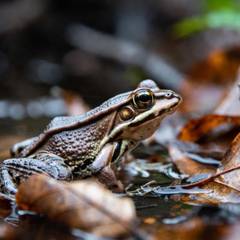
Fire-bellied toads are a semi-aquatic species, and that single fact shapes nearly every health issue on this list, this is more like keeping a small aquarium than a typical terrestrial amphibian.
Red Leg Syndrome
This is the condition to know above all others with this species. Caused by a bacterial infection, often Aeromonas, taking hold in dirty or poorly maintained water. Watch for reddening on the underside and legs, lethargy, and visible sores. This is a genuine emergency, always see a vet immediately, red leg syndrome is frequently fatal without prompt antibiotic treatment, and it progresses fast.
Chytridiomycosis and Fungal Infection
Discolored skin, abnormal shedding, a real change in behavior, and lethargy. Caused by introducing an infected animal without proper quarantine, or generally poor biosecurity. Always see a vet.
Bloat and Edema
Fluid retention that can point to infection, organ or kidney disease, or impaction. See a vet, severe bloat often carries a poor outlook. Mild swelling tied specifically to water chemistry issues sometimes improves once the water is properly conditioned and cleaned, worth ruling out before assuming a more serious cause.
Metabolic Issues and Muscle Twitching
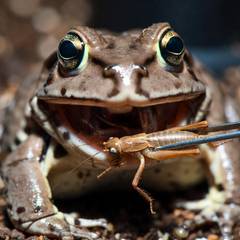
Usually tied to calcium deficiency or parasites. Watch for twitching alongside bloating. See a vet, and review your supplementation routine, calcium dusting on feeder insects matters more for this species than the "just an amphibian" framing might suggest.
Most fire-bellied toads in the pet trade are wild-caught rather than captive-bred, since breeding isn't especially profitable at this species' low price point. That's exactly why a vet fecal exam is genuinely worth doing for any newly acquired toad, parasite loads carried in from the wild are common.
Impaction and Parasites
From substrate ingestion or a parasite load carried by wild-caught animals, genuinely common given how much of this species' trade stock is wild-caught rather than bred. A vet fecal exam is worth doing for any newly acquired toad.
The Husbandry Pattern Worth Remembering
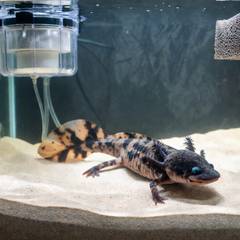
Nearly everything serious on this list, red leg syndrome most of all, traces directly back to water quality. Dirty, unfiltered, or poorly conditioned water is genuinely this species' single biggest health risk, more so than temperature or general humidity, which matter far less here than they do for a purely terrestrial amphibian. Treating the water section of this enclosure with the same seriousness you'd give a fish tank, filtration, conditioning, and regular changes, is the core skill in keeping this species healthy. Water quality is the same central concern behind a fully aquatic amphibian like the axolotl, just without a land side to the enclosure.
This water-first health picture is also why this species pairs so poorly with other amphibians, and its skin toxins mean it should only ever be kept with its own kind.
Fire-bellied toads are one of four species compared in Green Anole, Argentine Tegu, Fire-Bellied Toad & Tiger Salamander compared.
❓ Frequently Asked Questions
What is red leg syndrome and why is it an emergency?
A bacterial infection, often Aeromonas, that takes hold in dirty or poorly maintained water. Reddening on the underside and legs, lethargy, and visible sores. Frequently fatal without prompt antibiotic treatment, and it progresses fast. Always see a vet immediately.
What is chytridiomycosis in fire-bellied toads?
A fungal infection: discolored skin, abnormal shedding, a real change in behavior, and lethargy. It comes from introducing an infected animal without proper quarantine, or poor biosecurity generally. Always see a vet.
What causes bloat and edema in fire-bellied toads?
Fluid retention. Infection, organ or kidney disease, or impaction can all be behind it. See a vet, since severe bloat often carries a poor outlook. Mild swelling from water chemistry sometimes improves once the water is conditioned and cleaned.
What causes muscle twitching in a fire-bellied toad?
Calcium deficiency or parasites, usually, and often alongside bloating. See a vet, then review your supplementation routine. Calcium dusting on feeder insects matters more here than the 'just an amphibian' framing might suggest.
Why are impaction and parasites common in this species?
Substrate ingestion causes the impaction. Parasites come in with wild-caught animals, and most stock in this species' trade is wild-caught rather than bred. A fecal exam at the vet is worth doing for any newly acquired toad.
What's the underlying pattern behind fire-bellied toad health problems?
Water quality. Nearly everything serious here, red leg syndrome above all, traces back to it, and dirty, unfiltered, or poorly conditioned water is this species' single biggest health risk, ahead of temperature or general humidity.
📰 More on the Fire Bellied Toad
📘 Fire Bellied Toad care guide
🐸 How Much Does a Fire-Bellied Toad Really Cost?
🐸 Fire-Bellied Toads Have Genuinely Toxic Skin, Here's What That Means
🐸 Fire-Bellied Toad Enclosure Setup: Half Fish Tank, Half Terrarium
🐸 10 Surprising Fire-Bellied Toad Facts
🐸 Fire-Bellied Toad Enrichment: Plants Beat Pipes, and Someone Tested It

Written by Michael Ryan
Mike keeps two rescued bearded dragons, Dex and Cera, and writes the care guides on BeastlyFacts from his own research and mistakes. He is not a veterinarian.
More about Michael Ryan →Comments
No comments yet - be the first!