How Much Does a Madagascar Hissing Cockroach Cost?
On This Page▾

Madagascar hissing cockroaches are about as affordable as a pet gets, both to buy and to keep.
The Cockroach: $3 to $65
Individual nymphs run around $3 each. A breeding pair runs about $24, and a starter colony of 25 runs around $65. Because this same species is also sold widely as a feeder insect for reptiles, availability is wide and prices stay low. As pets, hissers are valued for their size, calm temperament, long life and the hiss; as feeders, for their body size and how well they gut-load. The low price reflects how widely they are bred.
How Many to Buy
A single roach is not how this species lives. Wild hissers live in mixed groups of roughly 10, and a captive group should be kept together too, which is why the per-animal price matters less than the group price. The three common starting points:
- An all-male group. No breeding, so the group never outgrows its tank. Males hold territories and fight over them, so an all-male group needs a hide per male and a few spare.
- A breeding pair, about $24. Cheap to start, but not a pair for long. Both sexes are mature at about 7 months, a female carries her eggs internally for about 2 months, then gives birth to 15 to 40 nymphs, and breeding runs year-round in a warm tank.
- A starter colony of 25, about $65. The quickest route to a full display, and the one that needs the most room from day one.
Healthy colonies run at 2 to 10 adults per gallon of enclosure, so a mixed group's real cost is the tank it grows into. A colony past that density needs a bigger tank, a second one, or separate-sex housing to stop the births.
Upfront Setup: $100 to $205
| Item | Cost Range |
|---|---|
| 10 gallon tank with a secure, screened lid, or 20+ gallons for a colony | $40 - $80 |
| Plain petroleum jelly for the escape barrier | about $5 |
| Coconut fiber substrate | $25 - $40 |
| Cork bark hides or egg crate stacks | $10 - $30 |
| A shallow dish with a cotton ball or sponge | $5 - $15 |
| A spray bottle for misting | $5 - $15 |
| A digital thermometer and hygrometer | $10 - $20 |
| Setup total | $100 - $205 |
Typical price ranges across retailers.
Extras, Not Counted in the Setup Total
Only worth buying if you plan to breed a colony.
| Extra | Cost Range |
|---|---|
| Heat mat with a thermostat, mainly for breeding | $25 - $40 |
Typical price ranges across retailers.
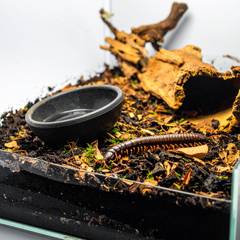
A tank or plastic tub in the 5 to 20 gallon range with a secure, screened lid is the enclosure baseline, paired with coconut fiber substrate, a hide or two, and a water dish. The optional heat mat and thermostat only earns its keep if you're breeding a colony, and a mat without a thermostat is an overheating risk that can even melt a plastic tub.
Ongoing Costs: A Few Dollars a Month
Fresh vegetables and fruit, occasional commercial roach or dog food, and modest substrate replacement make up the entire monthly cost. This is about as low-maintenance as a pet gets financially.
Vet Costs
Effectively none. Invertebrates are rarely taken to a vet, and very few vets treat them at all. Care here is entirely husbandry-based: correct humidity and substrate do the work.
Lifespan: 2 to 5 Years
2 to 5 years is the typical range, most commonly 2 to 3, with 4 to 5 achievable under excellent care. That is long-lived for an invertebrate at this price, especially compared to something like a praying mantis, which lives only a fraction as long.
The Honest Value Proposition
If cost is a real factor in choosing a pet, this is close to the floor. A complete setup for a small group commonly costs less than a single vet visit for most pets, and the ongoing cost is close to negligible. What you're trading for that affordability is a display and observation pet rather than a handling-focused one. The Madagascar Hissing Cockroach encyclopedia profile has the full natural history.
The hiss itself is a misleading first impression, one of four set side by side in Four Animals, Four First Impressions That Are Wrong, alongside the ackie monitor, milk snake, and angelfish.
Sources & Further Reading
Frequently Asked Questions
How much does a Madagascar hissing cockroach cost?
Around $3 for an individual nymph, about $24 for a breeding pair, and around $65 for a starter colony of 25. This species doubles as a feeder insect for reptiles, which keeps pricing low and consistent across most sources.
What does the upfront setup cost?
Roughly $100 to $205 before the roaches, covering a 10 to 20 gallon tank with a secure, screened lid, a petroleum jelly escape barrier, coconut fiber substrate, hides, a water dish, a spray bottle and a thermometer and hygrometer. An optional heat mat and thermostat adds a bit more, mainly relevant if you're breeding rather than keeping a small display group.
What are the ongoing monthly costs?
Just a few dollars a month. The whole recurring cost is produce, occasional commercial roach or dog food, and a little substrate.
Do Madagascar hissing cockroaches need vet care?
Effectively none. Very few vets treat invertebrates at all, and they're rarely taken in for one. Care here is husbandry only: correct humidity and substrate do the work.
How long do Madagascar hissing cockroaches live?
2 to 5 years, typically 2 to 3, with 4 to 5 achievable under excellent care. That's a long lifespan for the cost, especially compared to a praying mantis, which lives only a fraction as long.
More on the Madagascar Hissing Cockroach
Madagascar Hissing Cockroach care guide
🪳 How to Handle a Madagascar Hissing Cockroach (And How That Hiss Works)
🪳 Common Madagascar Hissing Cockroach Health Issues (Prevention Does Almost All the Work)
🪳 Madagascar Hissing Cockroach Enclosure Setup: Humidity, Substrate, and Keeping Them From Climbing Out
🪲 Madagascar Hissing Cockroach Feeding: Schedule, Diet, and Why They Stop Eating
🪳 Hissing Cockroach Enrichment: Somebody Built Them a Welfare Framework
Recommended Gear
As an Amazon Associate I earn from qualifying purchases through the links above, at no extra cost to you.

Written by Michael Ryan
Mike keeps two rescued bearded dragons, Dex and Cera, and writes the care guides on BeastlyFacts from his own research and mistakes. He is not a veterinarian.
More about Michael Ryan →