Common Guppy Health Issues (Water Quality Is the Root of Almost Everything)
On This Page▾

Nearly everything on this list connects back to one root cause: water quality. Guppies are hardy fish, but stressed, poorly maintained water opens the door to every condition below.
Ich (White Spot Disease)
Small white spots resembling grains of salt across the body and fins, along with flashing (rubbing against tank decor), rapid breathing, and lethargy. Caused by stress, often from temperature swings or poor water quality. Treat by gradually raising the tank temperature to around 82°F alongside a commercial ich medication.
Guppies cope with salt far better than most freshwater fish: in one study they survived being moved straight into half-strength seawater, so a salt course, dissolved first and raised gradually, is a sound alternative to medication for this species.
Velvet
A fine, gold or rust-colored dusty coating on the body, along with clamped fins and scratching against decor. From poor water conditions or low temperature. Treat with a copper-based medication, raise the temperature slightly, and dim the tank lights during treatment. This is contagious between fish, quarantine affected individuals if possible.
Fin and Tail Rot
Ragged, frayed, or discolored fin edges, bacterial in origin, usually from poor water quality, ammonia buildup, or an untreated injury. Improving water quality alongside an antibacterial treatment resolves most cases caught early. Left unaddressed, it can progress and become systemic.
Dropsy
Bloating combined with scales that raise into a pinecone-like pattern. This is a visible sign of advanced internal or organ failure, usually from a systemic bacterial infection that's gone unaddressed for some time. This is the hardest condition on this list to treat successfully, and often carries a poor outlook by the time it's visibly obvious.
Swim Bladder Disorder
Buoyancy problems, floating, sinking, or swimming at odd angles, usually from overfeeding or constipation. Often manageable at home with a short fast and a return to normal, appropriately sized feeding afterward.
Camallanus: Red Threads at the Vent
A cluster of small red threads hanging from a guppy's vent, about ¼ to ½ inch long, is Camallanus, a parasitic roundworm, and it is the one condition on this list that water changes do not fix. It shows up most in small livebearers like guppies, because a few worms that a larger fish could carry are enough to do serious harm in a fish this size. An infected fish passes larvae in its waste, tiny crustaceans such as cyclops eat them, and a healthy guppy that eats those crustaceans picks up the worm. Shared plants, gravel and nets carry it between tanks too.
Treatment is a dewormer with levamisole, dosed to the whole tank, with a 25% water change a day later. The drug does not touch eggs that have not hatched, so the tank gets a second dose two weeks after the first. Treat every fish in the tank, since the ones without visible worms may still carry them.
The Husbandry Pattern Worth Remembering
Poor water quality and temperature instability are the common thread running through nearly every condition on this list. A properly cycled tank, a stable temperature maintained with a reliable aquarium heater, and regular partial water changes using a water conditioner prevent far more than any medication does after the fact.
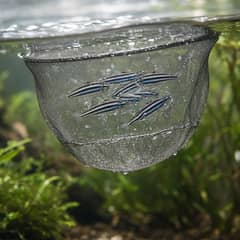
Quarantining new fish for at least 30 days before adding them to an established tank catches most problems before they spread. A modest separate tank with its own gentle sponge filter is worth setting up for this, and it does double duty as a place to isolate a sick fish later.
Uneaten food is a common and avoidable driver of the water-quality decline behind most of these conditions. Guppies beg whether they are hungry or not, so the begging is no measure of how much they need.
When Treatment Stops Working
Dropsy that has reached the pinecone stage, or a fish still wasting after a full course of treatment, is past what a home tank can fix. A fish vet can say whether anything is left to try, and the professional directories that list vets who treat fish cover North America and beyond. When the answer is no, a clove oil overdose in a small container of the guppy's own tank water is the humane way to end it. Flushing a live guppy or putting it in the freezer is not.
Check the Guppy encyclopedia profile for more.
Sources & Further Reading
Last reviewed 18 Jul 2026 · 4 sources
Frequently Asked Questions
What's the most common cause of guppy health problems?
Water quality. Guppies are hardy fish, but stressed, poorly maintained water, whether that's ammonia buildup, temperature swings, or overcrowding, opens the door to nearly every condition on this list.
What is ich and how do you treat it in guppies?
White spots like grains of salt on the body and fins, plus flashing, rapid breathing, and lethargy. Stress sets it off, often a temperature swing or poor water quality. Raise the tank gradually to around 82°F and use a commercial ich medication or a salt course; guppies handle salt better than most freshwater fish.
What is velvet and is it contagious?
A fine gold or rust dusty coating, with clamped fins and scratching against decor. It comes from poor water conditions or low temperature. Treat with a copper-based medication, raise the temperature slightly, and dim the lights during treatment. Velvet is contagious between fish, so quarantine affected individuals if possible.
What is dropsy and can it be treated?
Bloating, with the scales raised into a pinecone pattern. It signals advanced internal or organ failure, usually a systemic bacterial infection left unaddressed for some time. Dropsy is the hardest condition on this list to treat successfully, and it often carries a poor outlook by the time it's visibly obvious.
How do I prevent most guppy health issues in the first place?
A properly cycled tank, steady temperature, and regular partial water changes prevent far more than medication does after the fact. Quarantine new fish at least 30 days before they join an established tank, which catches most problems before they spread.
More on the Guppy
Guppy care guide
🐠 How Much Does Guppy Ownership Really Cost?
🐠 Guppies Aren't Handled, But They Do Need a Population Plan
🐠 Guppy Tank Setup: Warm Water, Gentle Filtration, and a Plan for Fry
🐠 Guppy Feeding: Schedule, Diet, and Why They Stop Eating
🐠 Guppy Enrichment: The Sex Ratio Is a Welfare Decision
Recommended Gear
As an Amazon Associate I earn from qualifying purchases through the links above, at no extra cost to you.

Written by Michael Ryan
Mike keeps two rescued bearded dragons, Dex and Cera, and writes the care guides on BeastlyFacts from his own research and mistakes. He is not a veterinarian.
More about Michael Ryan →