Guppy Feeding: Schedule, Diet, and Why They Stop Eating
On This Page▾

Guppies will beg for food no matter how full they already are, which flips the usual feeding worry, here the risk is giving too much, not too little.
Feeding Schedule by Life Stage
- Fry (newborn to roughly 2 to 4 weeks): The highest feeding frequency of any stage, tiny stomachs and rapid growth. Sources range from 3 to 5 times a day up to every 2 to 3 hours in the earliest days, when fry can only handle infusoria-sized food.
- Juveniles (roughly 1 to 3 to 4 months): Around 3 to 4 meals a day, more frequent and higher-protein than adult feeding, tapering as they approach adult size. This life stage is less consistently sourced than fry or adults, treat the exact number as approximate.
- Adults: Sources give a real range rather than one number, once or twice a day, one to three times daily, or two to three times daily depending on where you look. Every source agrees on the same portion rule regardless of frequency: feed only what's fully cleared within about 1 to 2 minutes.
What Guppies Eat
Guppies are omnivores. The base diet should be a high-quality tropical fish flake or small pellet formulated for community fish, not goldfish food, which has a different, lower-protein profile. Rotate in protein-rich live, frozen, or freeze-dried foods: brine shrimp, daphnia, bloodworms, mosquito larvae, and tubifex worms, plus microworms especially for fry. Add vegetable matter too, blanched and cut small: spinach, zucchini, cucumber, peas, and lettuce, plus algae wafers, guppies will also naturally graze on tank algae. Small amounts of boiled egg yolk are an occasional protein treat some keepers use.
Thaw frozen food before feeding, never microwave it, and never refeed something previously thawed and left over, that encourages bacterial growth. Because guppies have small mouths with teeth set toward the back, flake or finely crushed pellet generally works better than large pellets.
Safe Treats and Foods to Avoid
Safe: live, frozen, or freeze-dried brine shrimp and daphnia, bloodworms, mosquito larvae, tubifex worms (commercial source), microworms for fry, blanched peas, zucchini, cucumber, and spinach, algae wafers, and small amounts of boiled egg yolk.
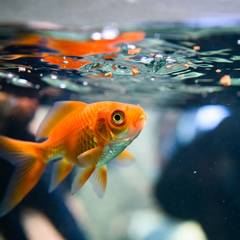
Avoid: goldfish food, bread, cereal, and other processed human foods, none of these match a guppy's actual nutritional needs and they foul the water. Scoop the jelly-like, seedy center out of tomato or cucumber pieces before feeding. Skip spoiled or expired food, guppies will typically nibble it and reject it anyway. More than any single food, overfeeding itself is the most repeated mistake across every source, it causes constipation, swim bladder problems, and water-quality crashes from uneaten food rotting in the tank.
Why Guppies Stop Eating
- Impending birth. Female guppies, livebearers, often eat less or refuse food entirely in the day or so before giving birth, from reduced stomach capacity and a shift toward finding a secluded spot to deliver. Appetite typically returns quickly afterward.
- Stress. New-tank relocation, tank cleaning, aggressive tankmates, and an imbalanced male-to-female ratio, roughly 1 male per 2 to 3 females reduces mating-chase stress, are all common triggers.
- Poor water quality. Ammonia or nitrite spikes, incorrect pH, and low oxygenation are repeatedly cited causes of both appetite loss and lethargy, worth testing for rather than waiting out.
- Cold water. Guppies are tropical fish needing roughly 72 to 82°F, with 76 to 78°F cited as the steadiest ideal range. Cold water slows metabolism directly, causing lethargy and appetite loss along with weakened immune function. Sustained temperatures well below about 72°F for more than two days is treated as a real risk.
- Illness. Ich, velvet disease, bacterial infections, and dropsy are named specifically, usually accompanied by other visible signs, not appetite loss alone.
- Pickiness. Guppies may reject an unfamiliar food type or texture, or something too large for their small mouths, easily fixed by switching food or crushing pellets smaller.
When to Worry
There's no single, universally agreed number for how long a guppy can safely go without food, and that's worth stating plainly rather than picking a side. A vet-affiliated source recommends contacting a vet if decreased appetite lasts more than one day, notably stricter than hobbyist consensus, which generally treats a skipped meal or even a full day as not inherently concerning if the fish otherwise looks and behaves normally, especially around a known trigger like pregnancy or a tank disturbance.
What multiple sources agree should prompt real concern regardless of exact duration: appetite loss combined with lethargy, hiding, or erratic swimming, gasping at the surface, clamped or discolored fins, cloudy eyes, visible injuries, white spots, or a swollen pinecone-like body. Any of these, especially if spreading to other fish, is a signal to test water parameters immediately and consider a fish-health specialist rather than waiting.
Sources & Further Reading
Last reviewed 1 Aug 2026 · 4 sources
❓ Frequently Asked Questions
How often should I feed my guppy?
Adults land somewhere between once and three times a day. The portion rule is the part that does not vary: only offer what's fully cleared in about 1 to 2 minutes. Overfeeding, not underfeeding, is the more common real mistake, guppies beg regardless of actual hunger.
What should guppy fry eat?
Something far finer than flake at first, infusoria or liquid fry food for the first few days, their mouths are too small for anything else. Move to newly hatched baby brine shrimp and microworms as they grow past about one to two weeks, and feed them far more often than adults, some sources say every 2 to 3 hours in the earliest days.
Can I feed guppies goldfish food?
No, it's specifically flagged as nutritionally mismatched, goldfish food has a different, lower-protein profile than what guppies need. Use a flake or small pellet formulated for tropical community fish instead.
Why has my guppy stopped eating?
For a female close to giving birth, this is often completely normal, reduced stomach capacity and a shift in focus toward finding a place to deliver. Stress from a new tank, tank cleaning, or an imbalanced male-to-female ratio, and poor water quality or cold water are other common explanations.
How long can a guppy safely go without eating?
There's no agreed number. A vet-affiliated source says to contact a vet when decreased appetite runs past one day. Hobbyist consensus is looser, treating a skipped meal, or a full day, as not inherently concerning while the fish otherwise looks and behaves normally.
What symptoms alongside not eating mean trouble?
Lethargy, hiding, gasping at the surface, clamped or discolored fins, cloudy eyes, white spots, or a swollen pinecone-like body. Any of these paired with appetite loss is a signal to test water parameters immediately rather than wait it out.
📰 More on the Guppy
📘 Guppy care guide
🐠 How Much Does Guppy Ownership Really Cost?
🐠 Guppies Aren't Handled, But They Do Need a Population Plan
🐠 Common Guppy Health Issues (Water Quality Is the Root of Almost Everything)
🐠 Guppy Tank Setup: Warm Water, Gentle Filtration, and a Plan for Fry
🐠 Guppy Enrichment: The Sex Ratio Is a Welfare Decision

Written by Michael Ryan
Mike keeps two rescued bearded dragons, Dex and Cera, and writes the care guides on BeastlyFacts from his own research and mistakes. He is not a veterinarian.
More about Michael Ryan →Comments
No comments yet - be the first!