Common Argentine Tegu Health Issues
On This Page▾

Argentine tegus are hardy animals when housed properly, and the issues that do show up trace back to a fairly small set of preventable husbandry gaps, several of them tied directly to this species' large size.
Metabolic Bone Disease (MBD)
Watch for weakness, decreased appetite, swollen joints or legs, tremors, and soft or fractured bones. Caused by inadequate UVB or insufficient calcium and vitamin D3. Always see a vet, and treat this as preventable, strong UVB and proper supplementation from the start make a real difference given how large and fast growing this species is.
Respiratory Infection
Look for lethargy, appetite loss, nasal discharge, and open mouth breathing. Early cases sometimes respond once temperature and humidity are corrected, but persistent symptoms need a vet for antibiotic treatment. Caused by an enclosure that's too cold, too damp, or poorly ventilated, harder to get right in a large enclosure than a small one, worth monitoring closely.
Metabolic bone disease and respiratory infection are both driven by the same underlying problem, an enclosure that hasn't kept pace with how large and fast growing this species actually is. A setup sized correctly from the start prevents both rather than needing separate fixes later.
Obesity
Genuinely common in this species. Tegus are enthusiastic eaters, and continuing to feed them the fatty, rodent heavy diet appropriate for a fast growing juvenile well into adulthood is a common mistake. Manageable at home through proper diet correction and an appropriate feeding schedule for an adult's actual needs, and worth having a vet assess body condition periodically to confirm you're on track. This mirrors a pattern seen in other large lizards, including the savannah monitor, where the same combination of husbandry gaps and overfeeding drives most of the health problems that show up.
Parasites
Watch for weight loss, diarrhea, and skin issues, more common in imported or wild caught animals. See a vet for a fecal exam and treatment.
Prolapse, Scale Rot, and Dehydration
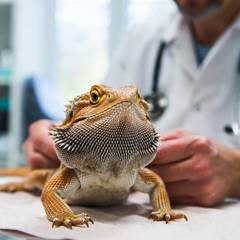
Secondary issues that generally trace back to husbandry gaps elsewhere. Prolapse specifically is a genuine emergency requiring immediate veterinary attention, not something to wait out.
The Husbandry Pattern Worth Remembering
Weak UVB and calcium cause MBD, especially consequential given how fast and large this species grows. Poor temperature or humidity control, harder to maintain consistently in a large enclosure, causes respiratory infection. And continuing a juvenile feeding schedule into adulthood causes the obesity that's common in this species.
How this species compares to three very different exotics is in Green Anole, Argentine Tegu, Fire-Bellied Toad & Tiger Salamander compared.
❓ Frequently Asked Questions
What causes metabolic bone disease in Argentine tegus?
Inadequate UVB, or not enough calcium and vitamin D3. The signs are weakness, decreased appetite, swollen joints or legs, tremors, and soft or fractured bones. Always see a vet. It is preventable, and strong UVB with proper supplementation from the start makes a real difference in a species this large and fast growing.
What causes respiratory infection in Argentine tegus?
An enclosure too cold, too damp, or poorly ventilated, which is harder to get right at this size. Watch for lethargy, appetite loss, nasal discharge, and open mouth breathing. Correcting temperature and humidity sometimes clears an early case, and persistent symptoms need a vet for antibiotic treatment.
Why is obesity common in Argentine tegus?
Tegus are enthusiastic eaters, and the common mistake is keeping an adult on the fatty, rodent heavy diet meant for a fast growing juvenile. Correcting the diet and feeding on a schedule built for an adult handles it at home, with a vet assessing body condition periodically.
Are parasites a concern for Argentine tegus?
Yes, more common in imported or wild caught animals. Watch for weight loss, diarrhea, and skin issues, and see a vet for a fecal exam and treatment.
Is prolapse an emergency in Argentine tegus?
Yes, prolapse is a genuine emergency requiring immediate veterinary attention, not something to wait out. Scale rot and dehydration are related secondary issues that generally trace back to husbandry gaps elsewhere.
What's the underlying pattern behind most Argentine tegu health issues?
Weak UVB and calcium cause MBD, poor temperature or humidity control causes respiratory infection, and keeping a juvenile feeding schedule into adulthood causes obesity. Getting a large scale setup right and adjusting diet as the tegu matures matter more here than with almost any smaller lizard.
📰 More on the Argentine Tegu
📘 Argentine Tegu care guide
🦎 How Much Does an Argentine Black and White Tegu Really Cost?
🦎 How to Handle an Argentine Tegu (The Reptile That Acts Like a Dog)
🦎 Argentine Tegu Enclosure Setup
🦎 Tegu Enrichment: Borrowing From the Monitors, and Saying So
🦎 Is It Legal to Own an Argentine Tegu? Florida's Prohibited List Explained

Written by Michael Ryan
Mike keeps two rescued bearded dragons, Dex and Cera, and writes the care guides on BeastlyFacts from his own research and mistakes. He is not a veterinarian.
More about Michael Ryan →Comments
No comments yet - be the first!