10 Surprising Argentine Tegu Facts

Tegus get lumped in with "big scary lizard" stereotypes more than almost any other pet reptile, but the actual science behind them is stranger, and far more impressive, than the reputation.
-
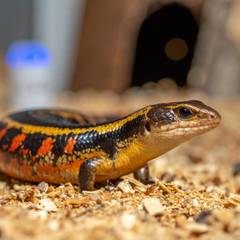
They can warm their own bodies like a mammal, for part of the year. During breeding season, tegus hold their body temperature as much as 10 degrees Celsius above the surrounding air. The only reptiles known to make heat before this were a couple of python species, and they do it only while coiled around a clutch, shivering to warm the eggs. The tegu was the first lizard shown to warm its own body this way.
-
They do it even in a pitch-dark burrow. This isn't just basking working extra well, tegus sustain the elevated temperature overnight with no external heat source available, which is what made the discovery so surprising to researchers.
-
Their heart rate more than sextuples for the occasion. Between winter dormancy and breeding season, a tegu's heart rate increases more than sixfold, part of the physiological shift that lets them generate and hold onto that extra body heat.
-
Scientists eventually traced the mechanism to their muscles. Research published in 2024 found the effect comes down to how mitochondria function inside skeletal muscle tissue, generating metabolic heat directly rather than through shivering.
-
They're not dangerous or venomous, despite their size and reputation. Tegus have no venom glands and aren't considered a threat to people, the risk to an owner is a strong bite and sharp claws, not any toxin.
-
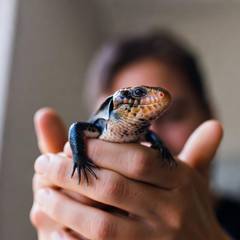
They're genuinely intelligent, by reptile standards. Tegus are known to learn their own names, recognize their regular keeper, and can be litter-trained, behavior usually associated with mammals, not lizards.
-
Adults can reach 4 feet long and 10 or more pounds, among the largest lizards commonly kept as pets, a big part of why they're rated for experienced keepers only.
-
They brumate through winter like many temperate reptiles, slowing down dramatically and eating little to nothing for months, then emerging in spring right around when that unusual body-heating ability kicks back in for the season.
-
Argentina isn't the only place they live anymore. Escaped and released pets have established breeding wild populations in parts of Florida and Georgia. In Florida, reproducing populations sit in Hillsborough, Miami-Dade and Charlotte counties, where tegus have been documented eating American alligator eggs and threatened juvenile gopher tortoises. A female lays an average of 35 eggs a year. Florida added the species to its Prohibited list in April 2021, so existing pets there now need a permit.
-
They're omnivores with a varied diet in the wild, eating fruit, eggs, insects, and small vertebrates, part of why a healthy captive diet needs more variety than a typical insect-only lizard diet.
Generating your own body heat overnight with no outside source is normally filed under birds and mammals. The tegu does it only in the breeding season, which is why researchers call it facultative endothermy and treat it as a living model of how warm-bloodedness may first have evolved. A 2-kilogram lizard running warm in a dark burrow once a year shows that line is softer than it looks.
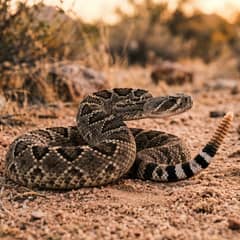
Brooding pythons are the tegu's nearest rivals, and even there the trick is rare. A 2015 comparison of six python species found no sign of heat production in five of them, the ball python included, so warming a clutch by shivering belongs to only a few members of the family.
Which fact surprised you the most? Let me know in the comments.
Sources
Last reviewed 24 Sep 2026 · 4 sources
- Science Advances: Seasonal Reproductive Endothermy in Tegu Lizards
- EurekAlert: Study Reveals Mechanism Used by Tegu Lizard to Raise Own Temperature
- Brashears and DeNardo (2015), Facultative thermogenesis during brooding is not the norm among pythons, Journal of Comparative Physiology A
- Florida Fish and Wildlife Conservation Commission: Argentine Black and White Tegu
More on the Tegu
Tegu care guide
🦎 How Much Does an Argentine Black and White Tegu Really Cost?
🦎 How to Handle an Argentine Tegu (The Reptile That Acts Like a Dog)
🦎 Common Argentine Tegu Health Issues
🦎 Argentine Tegu Enclosure Setup
🦎 Argentine Tegu Feeding: Schedule by Age, the Protein-to-Plant Split, and the Obesity Trap
Written by Michael Ryan
Mike keeps two rescued bearded dragons, Dex and Cera, and writes the care guides on BeastlyFacts from his own research and mistakes. He is not a veterinarian.
More about Michael Ryan →