Argentine Tegu Enclosure Setup
On This Page▾

Argentine tegu husbandry operates at a different scale than most pet lizards, this is a big bodied, high energy animal, and the setup needs to reflect that from the start rather than growing into it gradually.
Enclosure Size
8 feet by 4 feet by 4 feet is the minimum for an adult male, with females needing somewhat less but still substantial space. Many experienced keepers aim for 10 feet by 5 feet by 5 feet or, where possible, a dedicated reptile room. Hatchlings can start in something smaller, around 40 gallons, but grow fast enough that rehousing within the first year is standard, not exceptional. Front opening with a mesh top for ventilation.
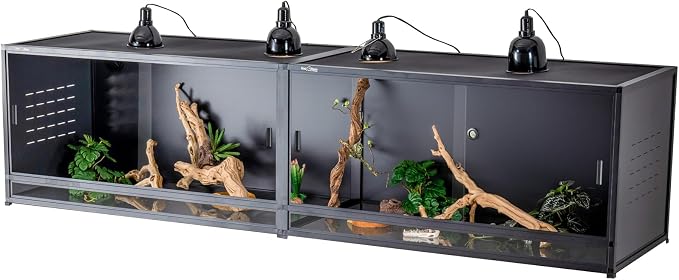
Worth being upfront here, just as with the savannah monitor, another large monitor family lizard needing a similarly sized enclosure: a ready made 8ft PVC modular enclosure is actually 8x2x2ft, a partial match on length only, well short of the full 8x4x4ft footprint an adult tegu needs. True adult sized housing for this species is typically a DIY build or ordered direct from a manufacturer.
Temperature
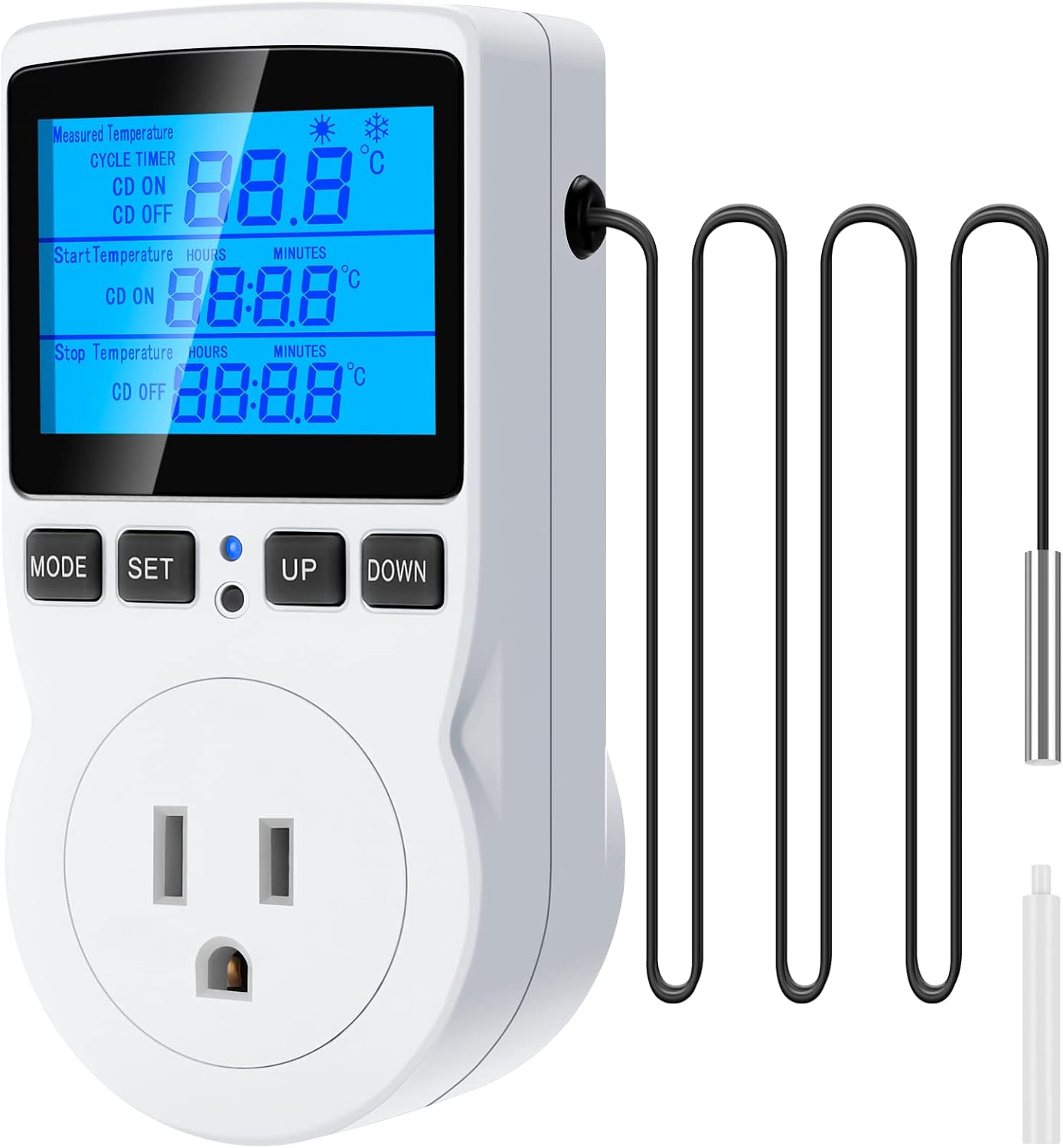
Basking area 100 to 115F, warm ambient in the 90s, cool side around 80F, with nighttime allowed to drop to 65F without triggering brumation. This species needs a powerful heat source, a cluster of basking bulbs, a radiant heat panel, or both, run through a real heavy duty thermostat rated for the wattage a setup this size actually draws.
Humidity
70 to 80%, maintained through deep, moisture retentive substrate, live plants in a bioactive style setup, a large water tub, and often an automatic misting system given how large this enclosure is, manually misting an 8 foot enclosure consistently isn't realistic for most keepers.
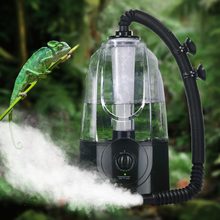
Manually misting an enclosure this large, 8 feet by 4 feet by 4 feet, isn't realistic for most keepers on a consistent basis, which is exactly why an automatic misting system tends to be worth the cost for this species specifically, rather than an optional extra.
Substrate
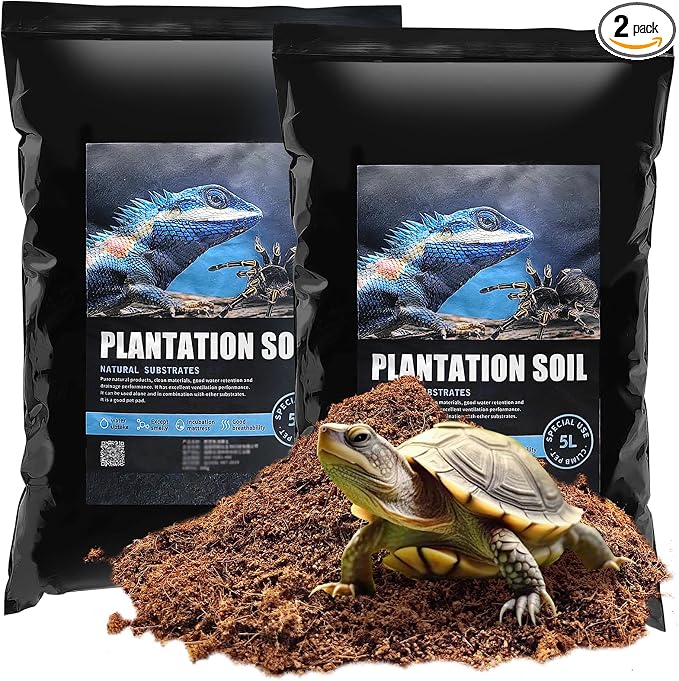
Deep, 12 to 18 inches or more, of an absorbent, burrow supporting mix: cypress mulch, coconut fiber, organic topsoil, or a bioactive blend. A coconut fiber substrate works well as part of that mix, though reaching 12 to 18 inches of depth across an 8 by 4 foot floor takes considerably more than a pack or two. Tegus are dedicated diggers and burrowers, and this depth isn't excessive for the species, it's what they actually use. Avoid dry, dusty substrate that doesn't hold a burrow shape.
Lighting
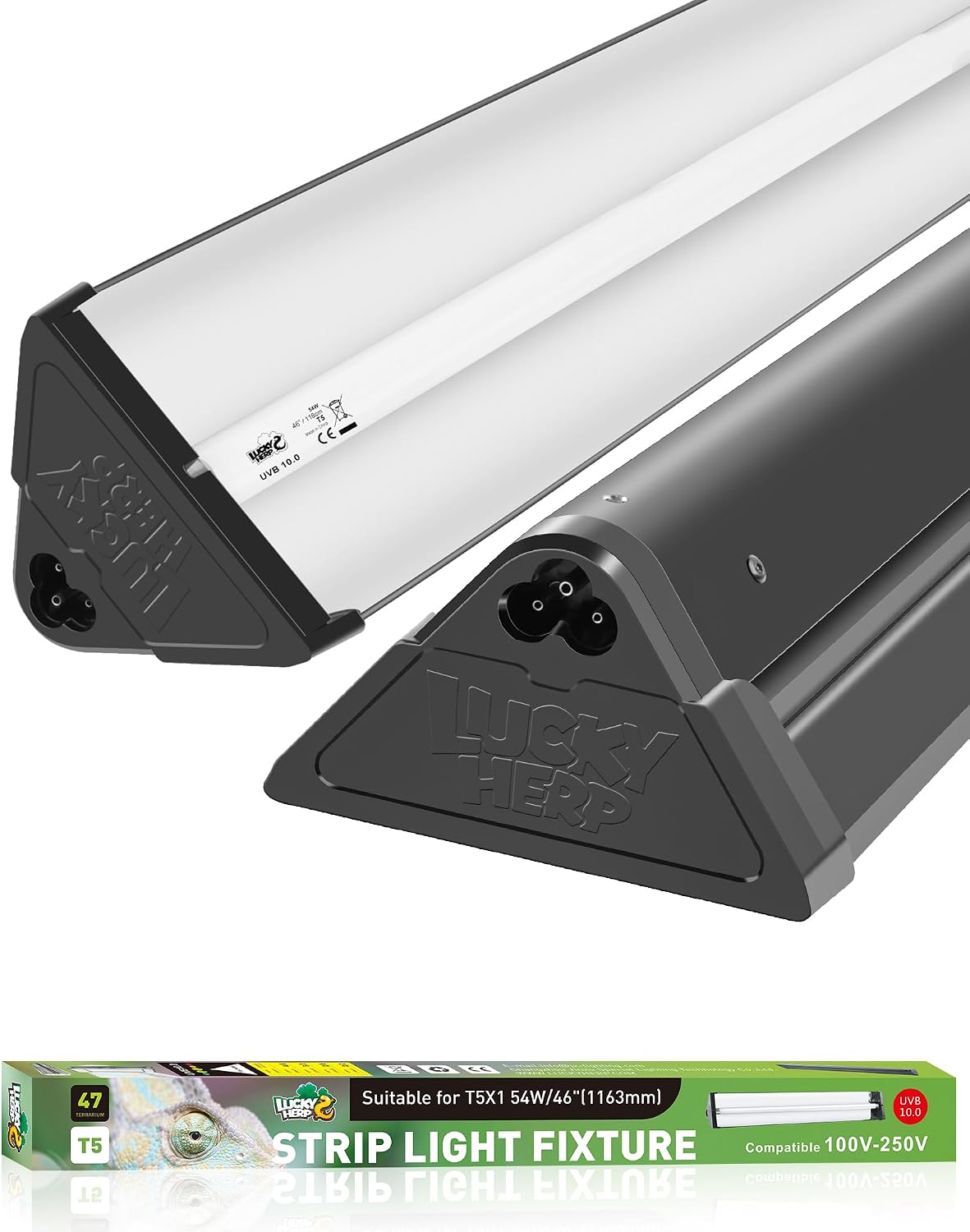
Strong UVB is required. For an enclosure this large, a 46 inch T5 HO bulb in the 12 to 14% range, spanning a quarter to half the enclosure's length on the warm side, targeting a basking area UVI of 3.0 to 4.0. Add a 6500K LED for brightness and to support live plants. Run a 12 to 14 hour photoperiod.
The Non-Obvious Requirement: Plan for Brumation
Argentine tegus naturally slow down, eat less, and burrow for 2 to 4 months during cooler seasons, even as pets kept indoors. Build your setup with this in mind, deep substrate that supports extended burrowing, rather than treating it as an unusual behavior to prevent. This is normal for the species, and fighting against it isn't necessary or particularly effective.
How this species compares to three very different exotics is in Green Anole, Argentine Tegu, Fire-Bellied Toad & Tiger Salamander compared.
For how UVB actually works and why the bulb distance matters as much as the bulb, see our complete guide to UVB lighting.
❓ Frequently Asked Questions
What size enclosure does an Argentine tegu need?
An adult male needs 8 by 4 by 4 feet at minimum; females need somewhat less, though still substantial space. Experienced keepers often go to 10 by 5 by 5 or a dedicated reptile room. A hatchling can start near 40 gallons, but expect to rehouse it within the first year.
What temperatures does an Argentine tegu enclosure need?
Basking 100 to 115F, warm ambient in the 90s, cool side near 80F, and nights may drop to 65F without triggering brumation. Reaching those numbers takes a powerful heat source, basking bulbs or a radiant heat panel, on a real thermostat.
How much humidity does an Argentine tegu need?
70 to 80%. Hold it with deep, moisture retentive substrate, a large water tub, live plants in a bioactive style setup, and usually an automatic misting system, since hand misting an enclosure this size consistently is beyond most keepers.
How deep does Argentine tegu substrate need to be?
12 to 18 inches or more, in an absorbent mix that holds a burrow: cypress mulch, coconut fiber, organic topsoil, or a bioactive blend. Tegus dig and burrow, so that depth is not excessive, it is what they use.
What UVB does an Argentine tegu need?
Strong UVB, and at this size that means a 46 inch T5 HO tube in the 12 to 14% range, running a quarter to half the enclosure's length along the warm side. Target a basking area UVI of 3.0 to 4.0, add a 6500K LED, and run 12 to 14 hours a day.
Should I plan the enclosure around brumation?
Yes. Tegus slow down, eat less, and burrow for 2 to 4 months in cooler seasons, indoors included. That is normal for the species, so give the substrate enough depth to support a long burrow instead of trying to prevent it.
📰 More on the Argentine Tegu
📘 Argentine Tegu care guide
🦎 How Much Does an Argentine Black and White Tegu Really Cost?
🦎 How to Handle an Argentine Tegu (The Reptile That Acts Like a Dog)
🦎 Common Argentine Tegu Health Issues
🦎 Tegu Enrichment: Borrowing From the Monitors, and Saying So
🦎 Is It Legal to Own an Argentine Tegu? Florida's Prohibited List Explained
🛒 Recommended Gear
As an Amazon Associate, we earn from qualifying purchases through the links above - at no extra cost to you.

Written by Michael Ryan
Mike keeps two rescued bearded dragons, Dex and Cera, and writes the care guides on BeastlyFacts from his own research and mistakes. He is not a veterinarian.
More about Michael Ryan →Comments
No comments yet - be the first!