African Fat-Tailed Gecko Feeding: Schedule, Diet, and Why They Stop Eating
On This Page▾

This species can go months without eating and be completely fine, which makes "how long is too long" the wrong question, tail thickness is the right one.
Feeding Schedule by Age
- Hatchlings (under about 4 months): Fed daily, about 5 crickets sized around a quarter inch, sizing up as the gecko grows.
- Juveniles: Genuinely disputed across sources. Some care sheets treat juveniles as needing daily feeding, distinct from adults. Others lump juveniles and adults together at about 9 crickets or mealworms 3 times a week, a real discrepancy in how "juvenile" gets defined, not just phrasing.
- Adults: Reported as 3 times a week, 3 to 4 times a week, or a condition-based tiered schedule, young adults every 2 to 3 days, mature adults with a visibly fat tail only every 5 days. These don't agree with each other, present it as a range and watch the tail.
Portion rule of thumb across sources: about 2 appropriately sized bugs per inch of body length, or as much as the gecko eats in about 15 minutes. Prey should never be wider than the space between the gecko's eyes.
What African Fat-Tailed Geckos Eat
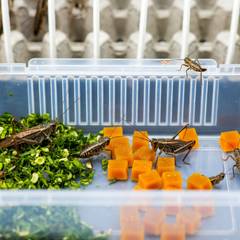
An obligate insectivore. Staple feeders: crickets, dubia roaches, discoid roaches, mealworms, superworms, and black soldier fly larvae. Silkworms, hornworms, waxworms, and pinkie mice are occasional, higher-fat supplements, not staples. All feeder insects should be captive-bred, never wild-caught, to avoid pesticide and parasite exposure.
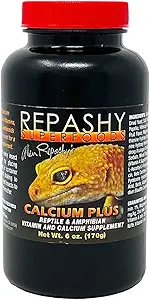
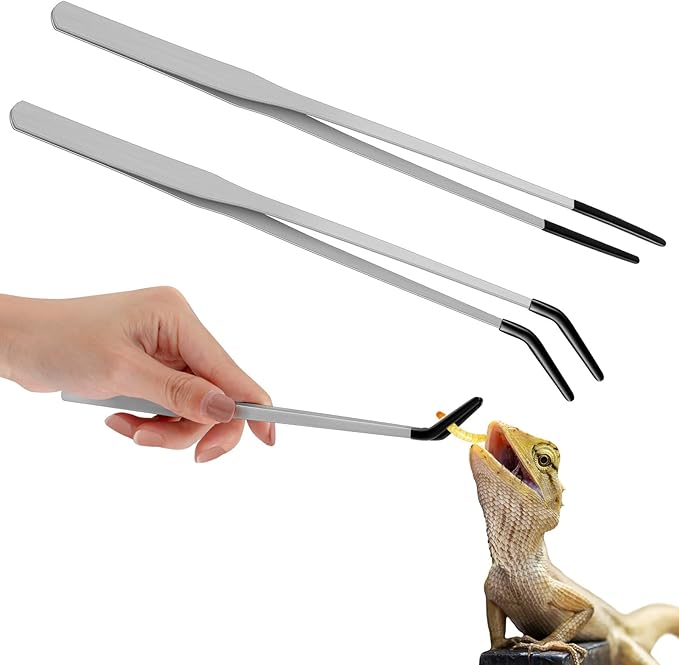
Gut-load feeder insects 24 to 48 hours before offering, using a commercial gut-load or leafy greens and sweet potato. Dust with plain, phosphorus-free calcium at most feedings, most hobbyist sources say every feeding, one veterinary clinic source says at least 3 times a week, with a calcium and D3 combo used once or twice a week on top. A veterinary source specifically warns against calcium supplements that also contain phosphorus, citing kidney damage and gout risk. Use feeding tongs to control portions and keep prey from burrowing into substrate. Fresh water in a shallow dish should be available at all times, changed daily.
Safe Treats and Foods to Avoid
Safe, sparingly, due to fat content: waxworms, silkworms, commercially raised hornworms, and pinkie mice.
Never use sand as substrate, ingested sand causes real digestive impaction. Never feed: ladybugs, fireflies, monarch butterflies, lubber grasshoppers, wild tomato-plant hornworms, box elder bugs, assassin bugs, centipedes, hairy or spiny caterpillars, bees, and wasps, generally because these are wild-caught species carrying toxin or contamination risk rather than farmed feeders. Only feed captive-bred insects across the board.
Why African Fat-Tailed Geckos Stop Eating
- Seasonal appetite drop. As daylight hours shorten in fall and winter, adults commonly reduce food intake or stop for a period. Juveniles typically keep eating normally through it.
- Breeding season. Females may go off food for a few days before laying eggs, tied to an annual breeding season spanning roughly 4 to 5 months.
- Shedding. Energy-intensive and commonly paired with a temporary appetite drop. If humidity is too low, the shed can get stuck, including retained eye caps, which can cause real lethargy and reduced eating that needs intervention, a 15 to 30 minute soak in warm water and raised humidity.
- Stress. Newly acquired or recently handled geckos may refuse food temporarily. Minimal handling until the gecko is reliably eating and defecating is the standard advice.
- Insufficient enclosure temperature. A gecko in a too-cool enclosure can respond as though brumation is starting, suppressing appetite even outside the normal seasonal window, a husbandry fix, not an emergency by itself.
- Dehydration. Inadequate humidity or water access can suppress appetite, and shedding-related dehydration that continues beyond about a week can become fatal if not corrected.
- Illness. Internal parasites, bacterial infection, or rarely tumors suppress appetite, typically alongside weight loss and lethargy.
- Old age. Elderly geckos can lose teeth and struggle with hard-bodied prey like crickets, softer prey helps avoid a slide toward starvation.
- Extended picky phases. Hobbyist records document otherwise-healthy geckos refusing food for months at a stretch, one owner reported roughly 6 to 7 months, while staying at a stable weight with normal behavior. The tail's large fat reserve is credited with buffering these long gaps.
When to Worry
No source gives one universal day count here, and that's honest, the tail fat reserve, which can hold close to half the gecko's total body mass, genuinely lets healthy adults fast for weeks to several months without harm. Body condition and behavior matter far more than duration.
Real red flags: genuine weight loss, distinct from a tail that's merely a bit less plump, a tail thinner than the neck is the concerning sign. A bloated belly, lethargy or weakness beyond normal seasonal slowdown, retained shed that isn't resolving with humidity and soaking, and dehydration signs persisting alongside not eating, potentially fatal if unresolved past about a week, all warrant a vet visit. Schedule an exam if the gecko stops eating, loses real weight, has retained shed, or shows weakness, and keep up with annual wellness visits and routine weight checks to catch problems early.
What you feed the crickets and roaches matters as much as which ones you buy: gut loading runs on a 24 to 72 hour window, and it doesn't replace dusting.
Sources & Further Reading
Last reviewed 31 Jul 2026 · 3 sources
❓ Frequently Asked Questions
How often should I feed my African fat-tailed gecko?
Hatchlings eat daily. Beyond that, sources disagree, some treat juveniles as needing daily feeding distinct from adults, others lump juveniles and adults together at about 3 times a week. Adult frequency itself ranges from 3 times a week to a condition-based schedule where a gecko with a visibly fat tail eats only every 5 days. Let tail thickness guide you more than any single number.
How much should I feed at each meal?
Roughly 2 appropriately sized bugs per inch of the gecko's body length, or simply as much as it eats in about 15 minutes. Prey should be no wider than the space between the gecko's eyes.
How often should I dust with calcium?
Most hobbyist care sheets say every feeding with plain, phosphorus-free calcium. One veterinary clinic source is slightly less strict, at least 3 times a week. A calcium and D3 combo is generally used just once or twice a week on top of that.
Why has my African fat-tailed gecko stopped eating?
A seasonal appetite drop in fall and winter is common in adults, juveniles typically keep eating normally through it. Breeding season in females, shedding, and stress from a new environment are other normal explanations. An enclosure that isn't warm enough can trigger a false brumation response even outside the normal season.
How long can this species safely go without eating?
No source gives one universal number, and that's honest, the tail's fat reserve, which can hold close to half the gecko's body mass, lets healthy adults fast for weeks to even several months without harm. What matters is tail thickness and behavior, not a day count, a tail that's thinner than the neck, not just less plump, is the warning sign.
What insects should never be fed to this species?
Ladybugs, fireflies, monarch butterflies, box elder bugs, centipedes, bees, and wasps are all specifically flagged by an exotics vet source, generally because they're wild-caught or contain toxins. Only feed captive-bred, farmed insects, never wild-caught ones.
📰 More on the African Fat-Tailed Gecko
📘 African Fat-Tailed Gecko care guide
🦎 How Much Does an African Fat-Tailed Gecko Really Cost?
🦎 How to Handle an African Fat-Tailed Gecko
🦎 Common African Fat-Tailed Gecko Health Issues
🦎 African Fat-Tailed Gecko Tank Setup: Built for the Ground, Not the Branches
🦎 African Fat-Tailed Gecko Enrichment: The Closest Cousin Was Studied
🛒 Recommended Gear
As an Amazon Associate, we earn from qualifying purchases through the links above - at no extra cost to you.

Written by Michael Ryan
Mike keeps two rescued bearded dragons, Dex and Cera, and writes the care guides on BeastlyFacts from his own research and mistakes. He is not a veterinarian.
More about Michael Ryan →Comments
No comments yet - be the first!