How Much Does a Jackson's Chameleon Really Cost?
On This Page▾

Jackson's chameleons sit in a comparable price range to the veiled chameleon, but the two species diverge in some important ways worth understanding before you buy.
The Chameleon: $50 to $250
Common animals typically run $90 to $150, with prized, highly colored specimens of the primary subspecies reaching $250. Wild-caught Hawaiian animals sometimes show up cheaper, but they're frequently parasitized, captive-bred is strongly worth the higher price for this species.
Wild-caught Jackson's chameleons sometimes turn up from Hawaii at a lower price than captive-bred animals. The catch is they're frequently parasitized, which is exactly why paying more for a captive-bred animal is worth it for this species specifically.
Upfront Setup: Roughly $400 to $525
| Item | Cost Range |
|---|---|
| 24x24x48 in tall screen or hybrid enclosure | $155 - $195 |
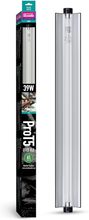
| UVB fixture and bulb | $95 - $115 |
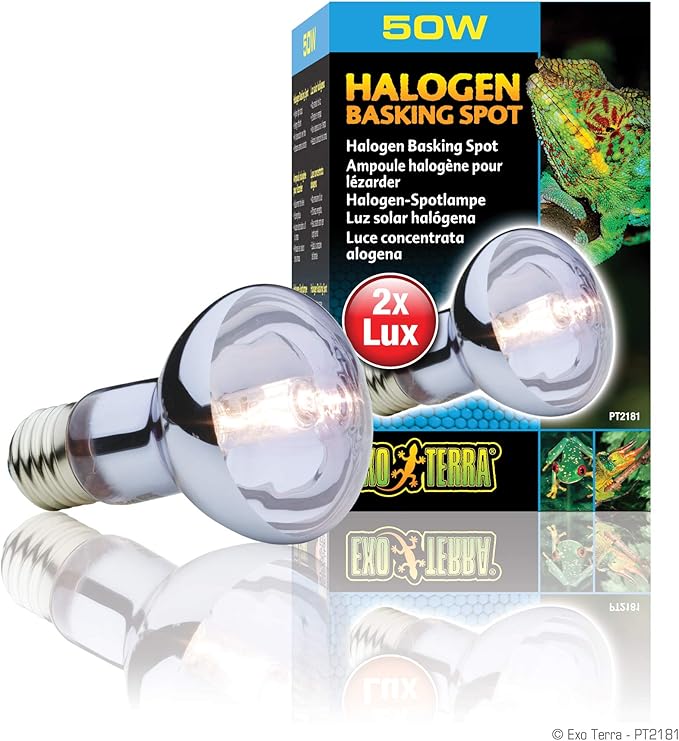
| Halogen basking bulb | $18 - $25 |
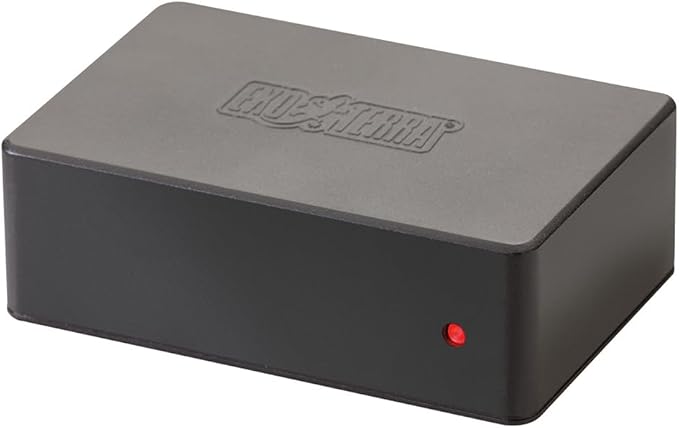
| Dimmer/thermostat for the basking bulb | $73 - $93 |
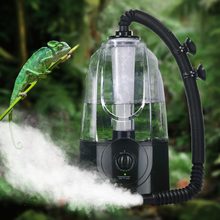
| Misting system, manual or automated | $35 - $60 |
| Live plants and moisture-retentive substrate | $18 - $35 |
A tall screen or hybrid enclosure, 24x24x48 inches for an adult, is the biggest line item, alongside a UVB fixture and bulb and a halogen basking bulb run through a dimmer. Round it out with a misting system, manual or automated, plus live plants and moisture-retentive substrate.

Ongoing Costs: Roughly $50 to $100 a Month
Feeder insects, supplements, live plants, and electricity for misting and lighting equipment make up the monthly total, bringing annual costs to somewhere around $1,200 including occasional larger expenses. A calcium supplement is part of that recurring spend, and getting the dose right matters.
Vet Costs
A routine exam commonly runs $50 to $100 or more. Emergencies, gout, metabolic bone disease, or birth complications among them, can run into the hundreds.
Lifespan: Different by Sex
This is where Jackson's chameleons diverge sharply from the veiled chameleon, and for a completely different reason than that species' sex-based lifespan gap. Males commonly live 8 to 10 years. Females live considerably shorter, typically 3 to 5 years, tied to the physical toll of giving birth to live young repeatedly.
The Comparison Worth Understanding: Jackson's vs. Veiled
Both species need minimal handling and modest but real ongoing investment. The genuine differences are biological rather than financial, Jackson's chameleons give live birth rather than laying eggs, and come from a cooler, higher-altitude climate in East Africa, meaning their temperature needs run noticeably cooler than the veiled chameleon's. If you're choosing between the two, temperature requirements and reproductive biology, not cost, are really what should drive the decision.
❓ Frequently Asked Questions
How much does a Jackson's chameleon cost to buy?
$90 to $150 typically, and prized, highly colored specimens of the primary subspecies reach $250. Wild-caught Hawaiian animals sometimes turn up cheaper, but they're frequently parasitized, so captive-bred is worth the higher price here.
What does the upfront enclosure setup cost?
Roughly $400 to $525, covering a tall screen or hybrid enclosure sized for an adult, a UVB fixture and bulb, a halogen basking bulb on a dimmer, a misting system, and live plants with moisture-retentive substrate.
What are the ongoing monthly costs?
Roughly $50 to $100 a month for feeder insects, supplements, live plants, and electricity for misting and lighting equipment, bringing annual costs to somewhere around $1,200 including occasional larger expenses.
How much should I budget for vet care?
Commonly $50 to $100 or more for a routine exam. Emergencies can run into the hundreds, gout, metabolic bone disease, and birth complications among them.
Do male and female Jackson's chameleons live the same length of time?
No. Males commonly live 8 to 10 years, while females typically live just 3 to 5 years, tied to the physical toll of giving birth to live young repeatedly rather than laying eggs.
Is a Jackson's chameleon more expensive to keep than a veiled chameleon?
Not meaningfully, both sit in a comparable price range. The differences between the two are biological rather than financial, Jackson's chameleons give live birth instead of laying eggs, and need a noticeably cooler setup thanks to their East African mountain origin.
📰 More on the Jackson's Chameleon
📘 Jackson's Chameleon care guide
🦎 How to Handle a Jackson's Chameleon
🦎 Common Jackson's Chameleon Health Issues
🦎 Jackson's Chameleon Enclosure Setup: Considerably Cooler Than the Veiled Chameleon
🦎 Jackson's Chameleon Enrichment: A Mountain Animal in a Warm House
🦎 Is It Legal to Own a Jackson's Chameleon? State Guide
🛒 Recommended Gear
As an Amazon Associate, we earn from qualifying purchases through the links above - at no extra cost to you.

Written by Michael Ryan
Mike keeps two rescued bearded dragons, Dex and Cera, and writes the care guides on BeastlyFacts from his own research and mistakes. He is not a veterinarian.
More about Michael Ryan →Comments
No comments yet - be the first!