How to Handle a Flying Squirrel (Bonding Starts in the Pouch, Not Your Hands)
On This Page▾

Flying squirrels bond through daily pouch contact at a young age, and the window for it closes faster than with most small pets, which makes timing as important as technique.
The Bonding Pouch, and Why Age Matters More Here
A young flying squirrel doesn't bond through direct handling on day one. It bonds by being carried against your body in a pouch for several hours a day, getting used to your scent, warmth, and movement before real hands-on interaction starts. Breeders generally recommend acquiring a baby around 6 to 8 weeks old specifically because that's the window where this process works most reliably. When you do handle it directly, hold it cupped in the hand, secure without being restrictive. The full bonding process takes somewhere between 2 and 8 weeks, depending on how consistently you put in the time.
A well-bonded adult flying squirrel will reportedly glide across a room to a familiar person when called, which says something about how strong this bond can get once it's established. That result depends almost entirely on getting the early pouch-bonding weeks right, not on anything that happens later. There isn't really a shortcut for it.
Why a Lone Flying Squirrel Is Harder to Settle
This connects directly to the social requirement. In the wild, flying squirrels den together in groups, sometimes fifteen to twenty animals sharing a single nest cavity through the winter, and that makes it a genuinely social animal, not merely a tolerant one. A solitary pet needs considerably more compensating human interaction during its active evening hours, and without it, isolation shows up as stress behavior instead of easier bonding. A same-sex pair or small group, kept together from the start, settles and bonds with a keeper more readily than a single animal left to rely on you alone.
What to Expect From an Unbonded or Startled Squirrel
An unbonded or frightened flying squirrel's first move is to get away, and it's genuinely good at that. Even indoors, a startled squirrel can jump and glide farther than most people expect, which makes a still-bonding animal a real flight risk in an open room, not just an inconvenience to recapture. It may also nip if it feels cornered or restrained, a defensive reaction and not aggression, and it settles considerably as the bonding process progresses.
Adding a Second Squirrel
Same-sex pairs generally live together well when they are introduced with care (neutering is not routine advice for this species, so a mixed pair means babies), and a pair is the better choice for anyone who cannot give a single squirrel attention every night. Wild behavior explains where the friction comes from. Males hold no territory and share overlapping ranges, while females defend the area around their nest tree against other females, most fiercely when young are due. A new squirrel lives in its own cage until an exotics vet has checked it for fleas, lice and mites, which matters more with this species than most because those parasites are how flying squirrels pass typhus to people.
If a Squirrel Gets Loose
When a squirrel gets out indoors, work through the search in order:
- Check the cage area first, under bedding, in corners and inside pouches, since the squirrel may never have left.
- Put the toilet seat down.
- Search room by room, closing each door behind you once a room is checked, so the search area shrinks.
- Look under everything, appliances included.
- Leave out strong-smelling food to draw it out, and make some noise to get it moving.
- Turn up the heat. A cold squirrel stays huddled in its hiding spot; a warm one comes out.
- Find the gap it used and close it before the squirrel goes back in.
First-Timer Mistakes
- Acquiring an older, late-socialized, or wild-caught animal and expecting it to bond as readily as a hand-raised baby would.
- Skipping or rushing the pouch stage to get to hands-on handling faster.
- Handling during the day, when a nocturnal animal wants to be sleeping, not interacting.
- Handling in a cold room. Flying squirrels are more cold-tolerant than a lot of small exotics, but they still do best in the mid-60s to mid-70s Fahrenheit range.
- Free-handling before bonding is solid, risking a startled animal gliding off across the room before you're ready for it.
How This Compares to a Sugar Glider, and to Other Small Pets
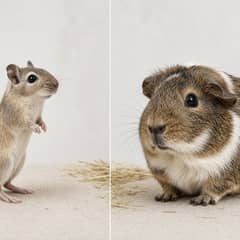
The comparison is worth making because the process does look alike. Flying squirrels and sugar gliders aren't related at all, one's a rodent, the other a marsupial, but both bond primarily through scent and daily pouch contact rather than the gradual hand-feeding approach used to tame a hamster or guinea pig. The difference is timing: a flying squirrel's easiest bonding window closes earlier than a glider joey's does, which is exactly why acquisition age gets so much emphasis here specifically.
The wild behavior behind all of this sits in the Flying Squirrel encyclopedia profile.
Sources & Further Reading
Last reviewed 7 Sep 2026 · 4 sources
Frequently Asked Questions
How do you bond with a pet flying squirrel?
Through a dedicated bonding pouch, carried against your body for several hours a day, giving the squirrel time to get used to your scent and movement before any real hands-on handling starts. The bonding process takes roughly 2 to 8 weeks depending on how consistently you spend time with it.
Why does the age you get a flying squirrel matter so much?
Flying squirrels bond most readily when acquired young, ideally around 6 to 8 weeks old, while they're still in the window where daily pouch contact reliably builds trust. An older, late-socialized, or wild-caught individual is considerably harder to tame and isn't a realistic pet the same way a hand-raised baby is.
What does an unbonded or startled flying squirrel do?
It tries to get away, and it's good at that, a startled squirrel can jump and glide farther than most people expect, even indoors. An unbonded animal may also nip out of fear when it feels cornered or restrained, which is a defensive reaction rather than aggression, and settles as bonding progresses.
What are the most common first-timer mistakes with flying squirrels?
Buying an older or wild-caught animal expecting it to bond like a hand-raised baby, skipping or rushing the pouch stage, handling during the day when the animal wants to sleep, handling in a cold room, and free-handling before bonding is solid enough that a startled squirrel won't just glide off across the room.
How does handling a flying squirrel compare to a sugar glider?
Remarkably similar for two unrelated animals. Both bond primarily through scent and daily pouch contact rather than the hand-feeding approach used to tame most small pets, and both are much harder to settle alone than in a same-sex pair. The difference is timing: a flying squirrel's easiest bonding window closes earlier, which makes acquisition age matter even more.
More on the Flying Squirrel
Flying Squirrel care guide
🐿️ How Much Does a Pet Flying Squirrel Really Cost?
🐿️ Common Flying Squirrel Health Issues (Diet Drives Almost Everything)
🐿️ Flying Squirrel Cage Setup: Tall, Not Wide
🐿️ Flying Squirrel Feeding: Diet, Schedule, and the Calcium Ratio That Prevents Paralysis
🐿️ Flying Squirrel Enrichment: A Rodent That Solved the Same Problem
Written by Michael Ryan
Mike keeps two rescued bearded dragons, Dex and Cera, and writes the care guides on BeastlyFacts from his own research and mistakes. He is not a veterinarian.
More about Michael Ryan →