Ferret Feeding: Schedule, Diet, and Why They Stop Eating
On This Page▾

Ferrets run on a faster digestive clock than most pets people are used to, which changes both how they should be fed and how quickly a missed meal matters.
Feeding Schedule
A ferret's gut is short, simple, and has no cecum, food passes all the way through in roughly 3 to 4 hours. That's why free-choice feeding, high-quality dry kibble available 24 hours a day, is the standard recommendation for healthy adults rather than one or two scheduled meals. Ferrets naturally want to eat about every 4 to 6 hours on their own. Ferrets prone to obesity are the exception, portion control makes more sense for them than an open bowl.
Kits begin weaning onto solid food around 4 weeks old as their teeth come in, reaching adult body weight by around 4 months. Ferrets managing insulinoma, a common condition in the breed, are sometimes switched to 4 to 6 small meals spread through the day instead of free-feeding, to avoid blood sugar swings, that's a medical management plan though, not general advice for a healthy ferret.
What Ferrets Eat
Ferrets are obligate carnivores with a digestive tract built for animal protein and fat, not plants. The base diet should be a high-quality, ferret-specific dry kibble, roughly 32 to 40% protein. Fat percentage is genuinely disputed between sources, some put it as low as 10 to 15%, others say at least 30%, so check the guaranteed analysis on whatever ferret-specific food you're using rather than chasing one exact number. High-quality kitten food is an acceptable substitute if ferret-specific food isn't available, but adult cat food isn't, it runs too high in fiber and too low in protein and fat for a ferret long-term. Keep food dry rather than soft or semi-moist, which can contribute to gum disease and tooth loss. That strict carnivory isn't universal across the weasel family, wolverines fold berries and roots into a diet of carrion and small mammals, as our wolverine facts guide covers, but a ferret's short, cecum-free gut can't work that way.
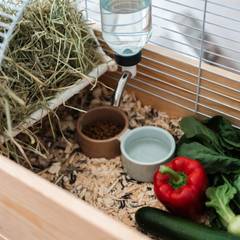
Some owners supplement with whole prey, cooked chicken, or cooked eggs. If you go this route with raw meat, it needs to be human-grade and handled carefully, Salmonella and Campylobacter risk is real. Water should always be available, and a sipper bottle is generally preferred over an open bowl since ferrets tend to play in and spill bowls.
Safe Treats and Foods to Avoid
Safe in small amounts: freeze-dried single-ingredient meats like rabbit, chicken, or duck, cooked eggs, cooked chicken, and fatty-acid supplements like Ferretone.
Never feed: chocolate, which is called out specifically as fatal. Sugar and sugary treats, including raisins and honey outside of an emergency, since they can trigger the blood sugar swings tied to insulinoma. Dairy, ferrets are lactose intolerant. Grains and carbohydrates like bread, pasta, or rice. Peas and legumes, linked to urinary problems. And long-term feeding of cat or dog food, the protein and fat ratios are wrong for a ferret. Most sources also say to avoid fruits and vegetables entirely, though this is genuinely disputed, see the FAQ above.
Why Ferrets Stop Eating
- A missed meal or normal hunger cycle. Because a ferret's gut empties so fast, a skipped feeding shows up sooner and can look more alarming than it would in a cat or dog, even when nothing is actually wrong.
- Stress. Rehoming, a cage change, or handling can cause a short-lived dip in appetite.
- Dislike of a new food. Ferrets can be resistant to switching kibble brands, slow, gradual transitions work better than a sudden swap.
- Dental pain. A ferret that wants to eat but physically can't chew comfortably shows up looking like food refusal.
- A swallowed foreign object. Ferrets are notorious for chewing and swallowing rubber and foam items, which can cause an intestinal blockage.
- Insulinoma. A common disease in middle-aged and older ferrets, low blood sugar from this pancreatic condition causes weakness and appetite changes; our health issues guide has the full symptom list and management options.
- Stomach ulcers, gut infections, or systemic illness. Adrenal disease, kidney disease, liver disease, and heart disease can all suppress appetite as a secondary sign.
When to Worry
This is the one area where the standard "give it a few days" advice for other pets doesn't apply. A healthy adult ferret can develop dangerous blood sugar drops within a single day of not eating, and young, senior, or already sick ferrets can crash even faster. Appetite loss in a ferret is treated as needing same-day veterinary attention, hours matter here, not days.
Watch for: loose, soft, or absent stool, small or infrequent stools, blood in urine, sneezing or breathing trouble, visible difficulty chewing, bald patches, or hunching and lethargy. For a suspected hypoglycemic crisis specifically, weakness, wobbling, a glazed stare, drooling, or collapse, a small amount of Karo syrup or honey rubbed on the gums is emergency first aid on the way to a vet, not something to rely on instead of one.
Sources & Further Reading
Last reviewed 24 Jul 2026 · 4 sources
Frequently Asked Questions
How often should I feed my ferret?
Most healthy adults do best free-fed, meaning high-quality kibble available around the clock rather than one or two set meals. Ferrets naturally want to eat roughly every 4 to 6 hours, food passes through their gut in as little as 3 to 4 hours, one of the fastest transit times of any common pet mammal.
What should a ferret's diet look like?
A high-quality, ferret-specific dry kibble as the base, roughly 32 to 40% protein, and animal fat, though exactly how much fat is disputed between sources. Ferrets are obligate carnivores with a short digestive tract that can't process plant matter, so this isn't a diet you can substitute vegetables or grains into.
Can ferrets eat fruits or vegetables?
Mostly no. Most veterinary and manufacturer sources say to avoid produce entirely, since ferrets can't digest plant matter well and it risks diarrhea or blood sugar swings. One veterinary clinic's own client handout does allow a small amount as an occasional treat, so this is a genuine point of disagreement, when in doubt, leave it out.
Why has my ferret stopped eating?
It could be something as ordinary as stress from a new environment or dislike of a new food brand. But because ferrets have such fast gut transit and small body reserves, appetite loss in this species deserves faster attention than it would in a cat or dog, dental pain, a swallowed foreign object, and insulinoma are all real possibilities.
How long can a ferret safely go without eating?
Not long. Sources describe dangerous blood sugar drops developing within a single day in a healthy adult, faster in young, senior, or already sick ferrets. This is treated as a same-day veterinary concern, not something to monitor for a few days first.
Is chocolate dangerous for ferrets?
Yes, it's called out specifically as fatal. Sugary treats more broadly are also risky since they can trigger blood sugar swings tied to insulinoma, a common condition in the species.
Written by Michael Ryan
Mike keeps two rescued bearded dragons, Dex and Cera, and writes the care guides on BeastlyFacts from his own research and mistakes. He is not a veterinarian.
More about Michael Ryan →