Chinchilla Housing: Dust Baths, Not Water, and a Cool Room
On This Page▾

Chinchilla care has a few rules that surprise new owners, especially around bathing. Get the cage, the temperature, and the dust bath right, and the rest of this species' care is fairly manageable.
Cage
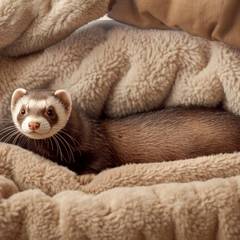
Go tall and multi-level, with solid, non-wire floors and shelves. Wire flooring contributes to sore feet over time. Around 24 by 24 by 36 inches is the smallest cage most care sheets accept, but veterinary guidance sets a single chinchilla at 2 by 2 by 4 feet, and that taller cage is the one to buy, since height is what a jumper uses. A pair needs roughly 18 cubic feet more on top of that. Wire sides should be spaced no more than 1 inch apart. Use metal, not plastic, chinchillas chew constantly, and ingested plastic can cause a fatal blockage. Multi-level small-animal cages designed for ferrets are popular among chinchilla keepers for exactly this combination of height, solid flooring, and metal construction.
Inside, give each chinchilla its own hide box, at least about 12 by 8 by 8 inches, and put them on different levels. The highest one usually becomes the favorite sleeping spot.
Place the cage in a room where people spend time, out of direct sun and drafts, and never near rabbits. Even a healthy rabbit can carry Pasteurella bacteria, which can kill a chinchilla.
Temperature: The 150 Rule
| Metric | Guidance |
|---|---|
| Ideal room temperature | 55 to 70°F |
| Danger threshold (°F + humidity % combined) | Over 150 |
| Humidity | Under 40%, never over 55% |
| Dust bath frequency | 2 to 3 times a week (some owners go daily) |
| Dust bath length | Up to 15 minutes |
| Dust depth | 1 to 2 inches |
Keep the room cool and dry, ideally in that 55 to 70°F range, and out of direct sun and drafts. Add the Fahrenheit temperature to the humidity percentage, and treat a combined total over 150 as dangerous territory. A thermometer/hygrometer combo makes this worth checking regularly during warmer months, not just setting once and forgetting.
Dust Baths: Not Water, Ever
Chinchillas need a dust bath, not a water bath, and this is one of the most important things to get right. Provide chinchilla dust (a fine volcanic ash) in a dust bath house 2 to 3 times a week, some owners go daily, for up to 15 minutes at a time, then remove the container so it doesn't become a permanent fixture in the cage. Use roughly 1 to 2 inches of dust in a shallow container.
Chinchillas must not get wet. Their fur is extremely dense, among the densest of any mammal, and trapped moisture in a coat that thick promotes fungal growth rather than washing anything away. There's no safe way to bathe a chinchilla in water the way you might a dog.
Many chinchilla owners furnish their cage from the ferret aisle rather than the small-mammal one. Tall, solid-floored, metal ferret cages happen to check every box a chinchilla actually needs, even though they're built and marketed for a completely different animal.
Diet
Grass hay (timothy or orchard) should make up 80 to 90% of the diet, available at all times, not rationed. Timothy hay is the standard choice. Add plain, hay-based pellets, roughly 16 to 20% protein and 15 to 35% fiber, at about 1 to 2 tablespoons a day. Keep treats minimal, and provide safe, untreated wood chews to support natural dental wear alongside the hay.
Bedding and Cleaning
Unscented paper bedding or fleece both work well. Avoid cedar and pine shavings entirely, both carry respiratory and impaction risks.
- Daily: spot-clean droppings, wet bedding and leftover food, and wash the food and water dishes with soap and water.
- Weekly: replace all the bedding and wash the empty cage with soap and water.
The dust bath container gets the same attention: dust left in the cage collects droppings and has to be replaced, which is another reason it comes out after each session.
Exercise
Chinchillas need daily activity. A solid metal wheel, 15 inches or larger, is the right choice. Never use an exercise ball, they're a genuine overheating and injury risk for this species specifically, even though they're marketed broadly for small pets. That injury risk matters more than usual given how fragile this species' skeleton is.
The Chinchilla encyclopedia profile covers the high-altitude Andean habitat these numbers are trying to reproduce.
Sources & Further Reading
Last reviewed 19 Jul 2026 · 4 sources
- NC State Veterinary Hospital: Caring for Your Pet Chinchilla
- Merck Veterinary Manual: Providing a Home for a Chinchilla; Chinchillas (professional version)
- PetMD: Chinchilla Care Sheet
- LafeberVet: Basic Information Sheet, Chinchilla
Frequently Asked Questions
What size cage does a chinchilla need?
Around 24 by 24 by 36 inches is the smallest most care sheets accept. Buy taller: veterinary guidance puts a single chinchilla at 2 by 2 by 4 feet, with extra volume for each added animal. It should be multi-level with solid floors and shelves, and metal, since chinchillas chew constantly and ingested plastic can cause a fatal blockage.
Can chinchillas take water baths?
No. Their fur is dense enough, among the densest of any mammal, that trapped moisture promotes fungal growth rather than washing anything away. Dust baths are the only safe option.
How often should I give my chinchilla a dust bath?
Two to three times a week, some owners go daily, for up to 15 minutes at a time using roughly 1 to 2 inches of dust in a shallow container. Remove the dust container afterward so it doesn't become a permanent fixture in the cage.
What temperature should a chinchilla's room be?
Ideally 55 to 70°F, never above 80°F, kept cool, dry, and out of direct sun and drafts. Apply the 150 rule as a check: add the Fahrenheit temperature to the humidity percentage, and treat a combined total over 150 as dangerous territory.
More on the Chinchilla
Chinchilla care guide
🐭 How Much Does a Chinchilla Really Cost?
🐭 How to Handle a Chinchilla (And What Fur Slip Actually Means)
🐭 Common Chinchilla Health Issues (Heat Is the Hidden Danger)
🐹 Chinchilla Feeding: Schedule, Diet, and Why They Stop Eating
🐭 Chinchilla Enrichment: Fur Chewing Dropped With the Right Floor
Recommended Gear
As an Amazon Associate I earn from qualifying purchases through the links above, at no extra cost to you.

Written by Michael Ryan
Mike kept a chinchilla for a stretch. The dust bath and heat advice here is lived.
Mike keeps two rescued bearded dragons, Dex and Cera, and writes the care guides on BeastlyFacts from his own research and mistakes. He is not a veterinarian.
More about Michael Ryan →