Corydoras Catfish Tank Setup: Substrate Is the Detail That Actually Matters
On This Page▾

Corydoras catfish are easy to house well once you get one specific decision right, what's on the bottom of the tank. Everything else about this species' care is fairly standard community-fish practice.
Tank Size
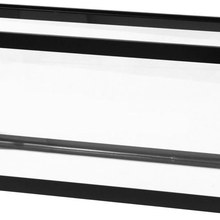
A 20-gallon long tank is the practical minimum for a proper school of six standard-sized cories, dwarf or pygmy species can work in something smaller, around 10 gallons. A 29 to 30-gallon tank or larger is genuinely better, especially if you're keeping a bigger group of 8 to 15. Favor a wide footprint over a tall one, this is a bottom-dwelling species that uses floor space, not vertical space.
A 20-gallon long tank is the practical starting point for a proper school of six. Scale up if you're planning for a larger group from the start.
Temperature
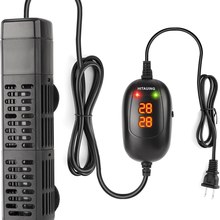
72 to 78°F suits most commonly kept species, though the exact preference varies a bit, some species tolerate warmer water, others prefer it cooler. A reliable heater is needed unless your room stays consistently warm, and stability matters more than hitting one precise number.
Water Parameters
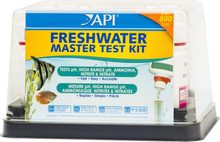
pH around 7.0 to 7.8 for captive-bred cories, which make up most of what's available in the trade. Ammonia and nitrite should read zero, and nitrate should stay low through regular water changes, this ties directly into preventing barbel erosion. A reliable water test kit is worth keeping on hand so you catch a rising nitrate reading before it becomes a barbel problem.
Substrate: The Decision That Matters Most
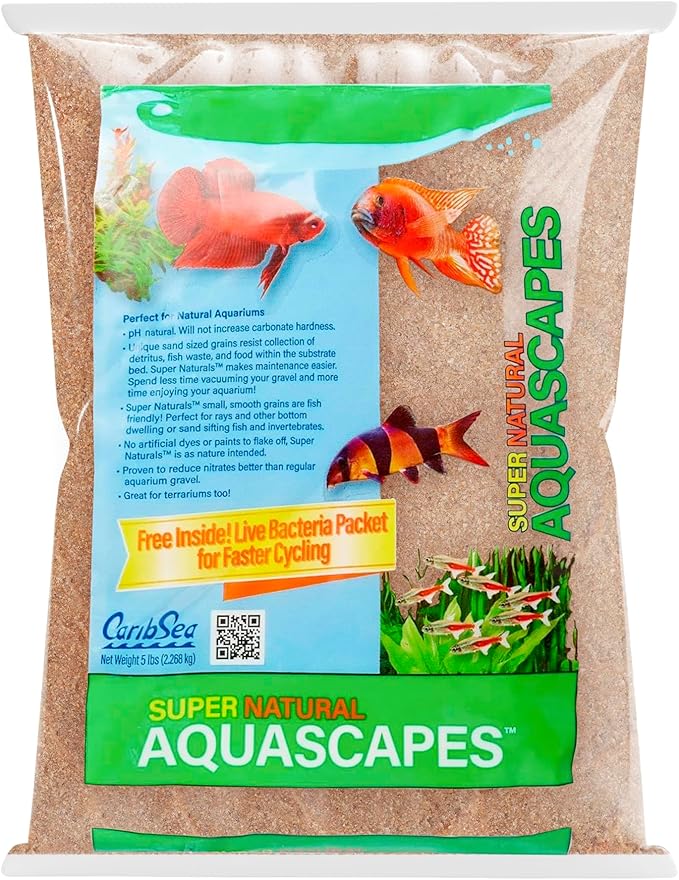
Soft sand or smooth, fine, rounded gravel is genuinely essential for this species. Avoid sharp or coarse gravel entirely, and be cautious with certain specialty planted-tank sands, some sharp-grained options are specifically flagged by manufacturers as unsuitable for bottom-dwelling fish like cories. About 2 inches of depth works well.
CaribSea Super Naturals Aquascape Sunset Gold is a soft, rounded sand option that suits this species' sensitive barbels.
Feeding Setup: Food That Reaches the Bottom
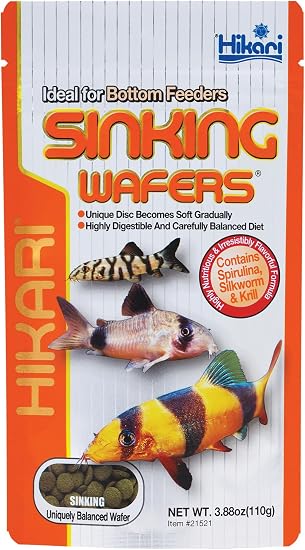
Since cories forage along the substrate, floating flakes rarely reach them before other fish clean them up, so this is worth planning for at the setup stage rather than figuring out later. Hikari Tropical Sinking Wafers are formulated specifically for catfish, loaches, and other bottom feeders, and sink straight down to where a cory school actually feeds.
Lighting
Standard community tank lighting is fine. Cories are most active around dawn and dusk and appreciate some shaded cover and hides where they can retreat during brighter parts of the day.
The Non-Obvious Requirement: Gentle Flow With Rest Spots
Provide gentle water movement with calmer areas where cories can rest, rather than uniform strong current throughout the tank. A sponge filter is a common way to get gentle, even flow without the strong current a hang-on-back filter can produce.
Avoid over-cleaning or disturbing the substrate too aggressively during maintenance, and make sure your fish have easy access to the surface, they periodically gulp air as part of normal breathing, and that behavior depends on being able to reach the top of the tank without obstruction.
Check the Corydoras Catfish encyclopedia profile for more.
This species is also part of a four-way comparison, see Jackson's Chameleon, Canary, Giant Millipede & Corydoras Catfish compared.
❓ Frequently Asked Questions
What size tank do corydoras catfish need?
A 20-gallon long is the practical minimum for a school of six standard-sized cories; dwarf and pygmy species manage in about 10 gallons. Going to 29 or 30 gallons is better, especially for a group of 8 to 15.
What temperature do corydoras catfish need?
72 to 78°F covers most species in the hobby, though preferences vary: some take warmer water, others want it cooler. Unless the room stays warm year-round, run a reliable heater, and hold the number steady rather than chasing a precise one.
What water parameters do corydoras catfish need?
pH 7.0 to 7.8 for captive-bred cories, which is most of what the trade sells. Keep ammonia and nitrite at zero and nitrate low with regular water changes.
What substrate is safe for corydoras catfish?
Soft sand, or smooth, fine, rounded gravel, about 2 inches deep. Sharp or coarse gravel is out, and so are certain specialty planted-tank sands: manufacturers flag some sharp-grained options as unsuitable for bottom-dwellers like cories.
Do corydoras catfish need special lighting?
Standard community lighting. Cories are most active at dawn and dusk, so give them shaded cover and hides to retreat into when the tank is bright.
What's the non-obvious tank setup requirement for corydoras catfish?
Gentle water movement with calm areas to rest in, rather than one strong current everywhere. They also need clear access to the surface, since they gulp air periodically as part of normal breathing.
📰 More on the Corydoras Catfish
📘 Corydoras Catfish care guide
🐠 How Much Does Corydoras Catfish Ownership Really Cost?
🐠 Corydoras Catfish Aren't Handled, and They're Not Solo Fish Either
🐠 Common Corydoras Catfish Health Issues
🐠 Corydoras Catfish Feeding: Schedule, Diet, and Why They Stop Eating
🐟 Corydoras Enrichment: Sand for the Sifting, Not for the Barbels
🛒 Recommended Gear
As an Amazon Associate, we earn from qualifying purchases through the links above - at no extra cost to you.

Written by Michael Ryan
Mike keeps two rescued bearded dragons, Dex and Cera, and writes the care guides on BeastlyFacts from his own research and mistakes. He is not a veterinarian.
More about Michael Ryan →Comments
No comments yet - be the first!