Common Corydoras Catfish Health Issues
On This Page▾

Corydoras catfish are sensitive to two things above all else, substrate texture and water quality, and understanding that connection explains most of what shows up on this list.
Barbel Erosion and Infection
This is genuinely the signature cory health issue. Watch for barbels, the whisker-like feelers around the mouth, that appear shortened, red, or are missing entirely. It's caused by a combination of sharp substrate causing physical damage and elevated nitrates allowing bacterial infection to take hold in the wound.
Manageable at home if caught reasonably early: switch to soft sand if you haven't already, do a significant water change, and keep nitrates under 20 ppm going forward. Barbels can regrow over 4 to 8 weeks once conditions improve. Left untreated, this can progress to the more serious condition below.
Barbels can regrow over 4 to 8 weeks once conditions improve, a reminder that this species' most common health issue is largely reversible if you catch it before it progresses into red blotch disease.
Red Blotch Disease
Red or bloody-looking sores on the belly and flanks, often linked to a bacterial infection and frequently triggered by the stress of shipping or a new environment. Catch this early and treat promptly, fixing water quality alongside a broad-spectrum antibiotic, often dosed at half the standard rate given how medication-sensitive this species is, more on that below. A vet with aquatic experience is worth consulting if one's available.
Ich (White Spot Disease)
Small, pinhead-sized white spots, triggered by stress, temperature swings, or a recently added fish. Treatable, gradually raise the tank temperature toward 82°F with strong aeration, but use reduced medication doses, this species doesn't tolerate full-strength treatments the way many hardier fish do.
Fin Rot
Frayed fins with white or discolored edges, from poor water quality allowing bacteria to take hold. Manageable at home with water changes and an antibacterial treatment, alongside genuinely fixing whatever water quality issue caused it.
An Important Medication Note
Corydoras are armored catfish with sensitive, naked bellies, and they're notably more medication-sensitive than many community fish. When treating any illness, use reduced doses, sometimes half or even a quarter of the standard amount, and avoid full-strength copper, malachite green, or formalin treatments, which this species tolerates poorly.
The Husbandry Pattern Worth Remembering
Sharp substrate combined with elevated nitrates causes the barbel erosion that's this species' most defining health risk. General stress (including from too small a school) and poor water quality drive red blotch disease and fin rot.
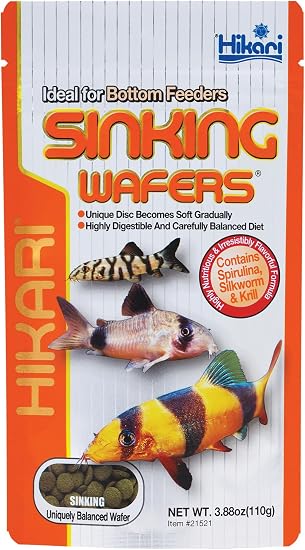
Diet plays a supporting role too. A consistent, dedicated bottom-feeder food, rather than relying on leftover flakes other fish miss, keeps cories in the kind of steady overall condition that makes them more resilient generally. Hikari Tropical Sinking Wafers, formulated specifically for catfish, loaches, and other bottom feeders, are a sensible staple for this.
Check the Corydoras Catfish encyclopedia profile for more.
This species is also part of a four-way comparison, see Jackson's Chameleon, Canary, Giant Millipede & Corydoras Catfish compared.
❓ Frequently Asked Questions
What is barbel erosion in corydoras catfish?
The barbels, those whisker-like feelers around the mouth, wear down: shortened, red, or gone entirely. It takes two things together, sharp substrate doing the physical damage and elevated nitrates letting bacterial infection settle into the wound. It's the signature cory health issue.
Can barbel erosion be treated at home?
Yes, if it's caught reasonably early. Move to soft sand, do a significant water change, and hold nitrates under 20 ppm from there on. Barbels can regrow over 4 to 8 weeks once conditions improve. Untreated, it can progress to red blotch disease.
What is red blotch disease?
Sores on the belly and flanks that look red or bloody. It's often linked to a bacterial infection, and the stress of shipping or a new environment frequently triggers it. Treat it early: fix water quality and use a broad-spectrum antibiotic, often at half the standard dose for this species.
How do you treat ich in corydoras catfish?
Raise the temperature gradually toward 82°F with strong aeration, and reduce the medication dose. This species doesn't tolerate a full-strength treatment the way many hardier fish do.
Why are corydoras catfish more medication sensitive than other fish?
They're armored catfish with sensitive, naked bellies, and notably more medication sensitive than many community fish. That means reduced doses, sometimes a half or a quarter of the standard amount, and no full-strength copper, malachite green, or formalin, which this species tolerates poorly.
How can I prevent most corydoras catfish health issues?
Substrate and water quality. Sharp substrate plus elevated nitrates is what drives barbel erosion, the most defining health risk, and poor water quality plus general stress is what drives red blotch disease and fin rot. Get both right and nearly everything here is prevented.
📰 More on the Corydoras Catfish
📘 Corydoras Catfish care guide
🐠 How Much Does Corydoras Catfish Ownership Really Cost?
🐠 Corydoras Catfish Aren't Handled, and They're Not Solo Fish Either
🐠 Corydoras Catfish Tank Setup: Substrate Is the Detail That Actually Matters
🐠 Corydoras Catfish Feeding: Schedule, Diet, and Why They Stop Eating
🐟 Corydoras Enrichment: Sand for the Sifting, Not for the Barbels
🛒 Recommended Gear
As an Amazon Associate, we earn from qualifying purchases through the links above - at no extra cost to you.

Written by Michael Ryan
Mike keeps two rescued bearded dragons, Dex and Cera, and writes the care guides on BeastlyFacts from his own research and mistakes. He is not a veterinarian.
More about Michael Ryan →Comments
No comments yet - be the first!