Common Oscar Fish Health Issues (Hole-in-the-Head Is the One to Know)
On This Page▾

Oscars are hardy fish in a properly sized, well-filtered tank, and one condition in particular is common enough, and specific enough, that every oscar owner should recognize it immediately.
Hole-in-the-Head Disease
This is the signature oscar health issue, common enough in this species to warrant its own name in the hobby. Watch for small pitted lesions or holes developing on the head and along the lateral line, appetite and weight loss, lethargy, and stringy white feces.
Caught early, this is genuinely treatable at home with a near-zero fatality rate. Correcting water quality, addressing nitrate levels specifically, adjusting diet, and treating with metronidazole if a parasite is involved all form part of the standard response. The causes line up directly with what's preventable: poor water quality, especially elevated nitrates, nutritional gaps, and in some cases prolonged use of activated carbon filter media have all been linked to this condition.
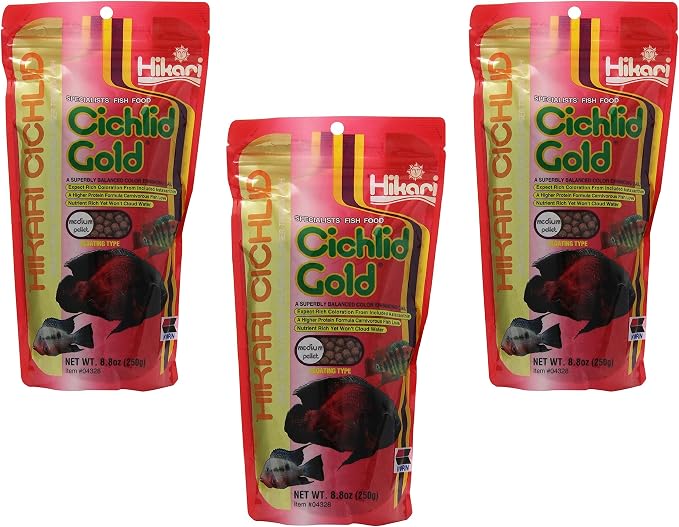
Hole-in-the-head disease is specific enough to oscars, and common enough in the hobby, that it's essentially named after how it looks on this exact species. Nutritional gaps are part of the cause, which is why a quality staple cichlid pellet as a diet foundation is treated as genuine prevention, not just feeding.
Ich (White Spot Disease)
Small white spots across the body and fins, triggered by temperature swings or general stress. Manageable at home with a standard commercial ich treatment and correcting whatever stressor triggered it.
Fin and Tail Rot
Frayed, discolored fin edges, bacterial, tied to poor water quality. Manageable at home with an antibacterial treatment alongside genuine water quality correction, treatment without fixing the underlying water rarely holds.
Popeye
One or both eyes appear swollen or bulging, usually bacterial or linked to water quality issues. See a vet if available, or treat with water correction and antibacterial medication if not.
Dropsy
Swelling, a distended abdomen, and scales that raise into a pinecone-like pattern. This typically signals serious internal illness and often carries a poor outlook by the time it's visibly obvious.
The Husbandry Pattern Worth Remembering
Poor water quality, elevated nitrates especially, is the common thread running through nearly every condition on this list, hole-in-the-head disease most directly of all. Weekly water changes and heavy-duty filtration aren't optional extras for this species, they're genuinely the primary defense against the health issue oscars are most known for.
Vet access matters here too, aquatic vets are specialized and uncommon, and most of what's above gets managed at home rather than in a clinic. And since so much of the appeal of this species is behavioral, it pays to learn its normal quirks well enough to tell them from an actual health problem.
This species also appears in our Leaf-Tailed Gecko, California Kingsnake, Box Turtle & Oscar Fish compared roundup.
❓ Frequently Asked Questions
What is hole-in-the-head disease in oscars?
The signature oscar problem, common enough here to have earned its own hobby name. Look for small pitted lesions or holes on the head and down the lateral line, along with appetite and weight loss, lethargy, and stringy white feces.
What causes hole-in-the-head disease?
Poor water quality, elevated nitrates above all, nutritional gaps, and in some cases long-running activated carbon filter media have been linked to it. Caught early, it's treatable at home with a near-zero fatality rate.
How do you treat hole-in-the-head disease at home?
Fix the water quality, bring nitrates down, adjust the diet, and use metronidazole if a parasite is involved. That's the standard response.
What other health issues are common in oscars?
Ich (white spot disease), triggered by temperature swings or stress, fin and tail rot from poor water quality, popeye from bacterial infection or water issues, and dropsy, which signals serious internal illness and often carries a poor outlook by the time it's visibly obvious.
Do oscar health issues usually need a vet?
Not always. Ich and fin rot are typically manageable at home with standard commercial treatments and water quality correction. Popeye warrants a vet if one's available. Dropsy often carries a poor outlook regardless.
What's the single biggest thing that prevents oscar health problems?
Water quality. Elevated nitrates in particular sit behind nearly everything on this list, hole-in-the-head most directly. Weekly water changes and heavy-duty filtration are the primary defense.
📰 More on the Oscar Fish
📘 Oscar Fish care guide
🐠 How Much Does Oscar Fish Ownership Really Cost?
🐠 Oscar Fish Aren't Handled, But They're the Closest Thing to a Pet Dog in Your Tank
🐠 Oscar Fish Tank Setup: Bigger and More Filtered Than You Expect
🐠 Oscar Fish Feeding: Schedule, Diet, and Why Feeder Goldfish Are a Mistake
🐠 Oscar Enrichment: The Fish That Rearranges the Tank Itself
🛒 Recommended Gear
As an Amazon Associate, we earn from qualifying purchases through the links above - at no extra cost to you.

Written by Michael Ryan
Mike keeps two rescued bearded dragons, Dex and Cera, and writes the care guides on BeastlyFacts from his own research and mistakes. He is not a veterinarian.
More about Michael Ryan →Comments
No comments yet - be the first!