Green Anole Enclosure Setup
On This Page▾

Green anoles need more setup investment than their small size and low price suggest, tropical humidity, real UVB, and careful heat placement all matter here.
Enclosure Size
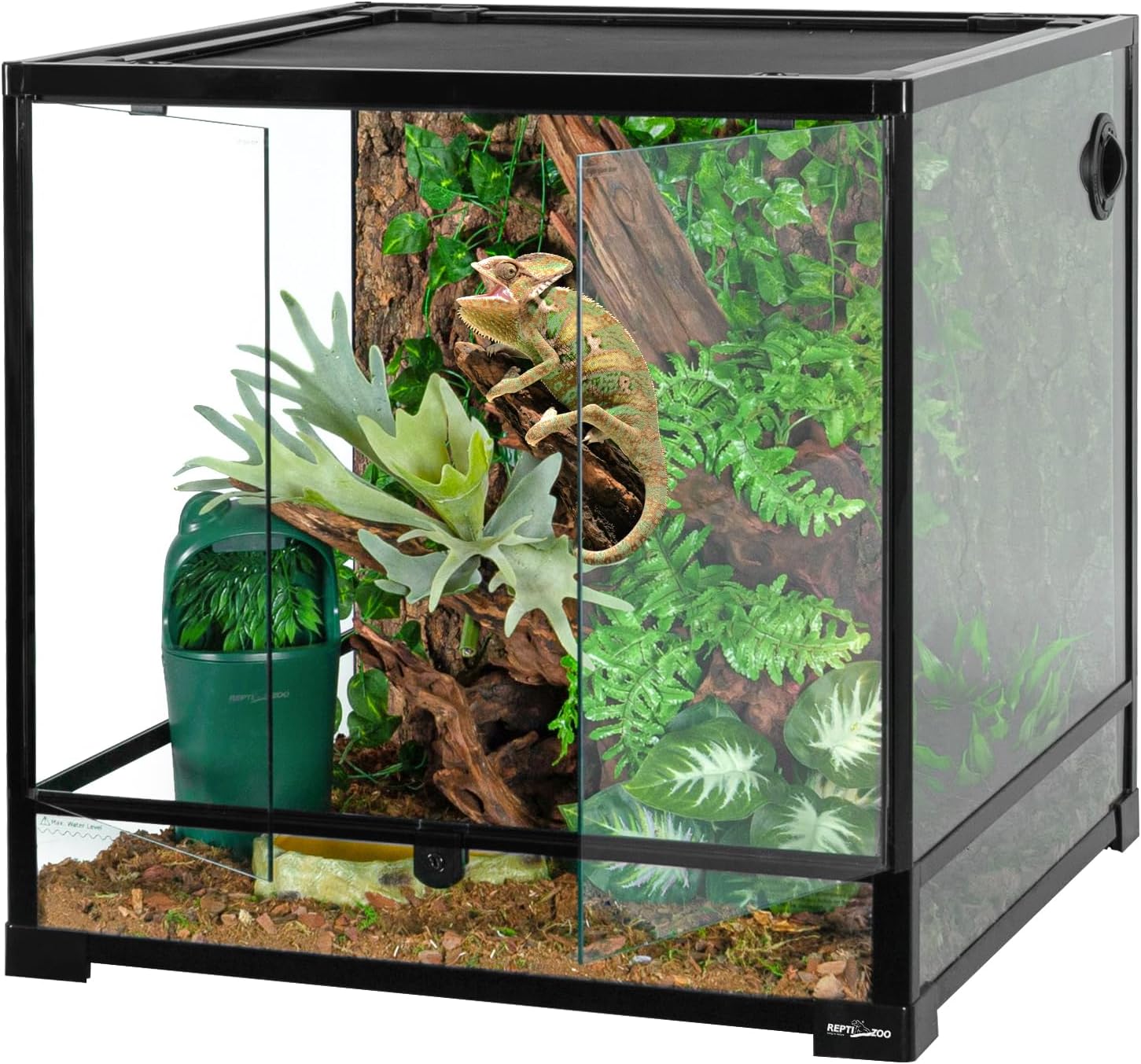
24 inches long by 24 inches wide by 24 inches tall as a minimum for one adult, larger is better. This species is semi-arboreal, so a tall, front-opening enclosure with good ventilation suits it well. Don't house multiple anoles together, they don't coexist peacefully.
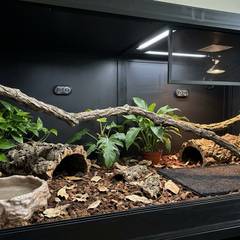
A 24x24x24in front-opening terrarium hits that minimum size and gives you the front access you'll want for daily misting and maintenance.
Temperature
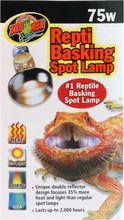
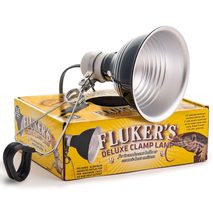
Basking spot around 90F, cool side 70 to 77F, nighttime 65 to 75F. A 60-watt incandescent basking bulb in a ceramic-socket dome works well. A genuinely important safety detail, mount the heat lamp above or outside the enclosure's mesh top, not resting directly on it. Green anoles climb and rest inverted on mesh, and a bulb positioned where they can reach it risks real burns.
Humidity
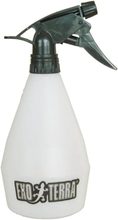
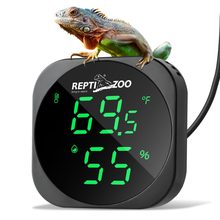
60 to 70% during the day, higher overnight. Achieve this through morning and evening misting with a pump sprayer, and a cool-mist humidifier or fogger overnight in dry climates, using distilled water. A thermometer/hygrometer combo is how you'll actually confirm you're hitting that range rather than guessing.
Substrate
Coconut fiber or a tropical soil blend, roughly 60% organic topsoil to 40% coconut fiber, works well, layered about 2 inches deep with leaf litter on top. Avoid gravel, sand, and anything containing vermiculite or pesticide residue. A coconut fiber substrate covers the base of that mix.
Lighting
UVB is genuinely necessary for this diurnal species. Target a UV index of 3.0 to 4.0 at the basking branch, using an Arcadia ShadeDweller kit or a T5 HO bulb in the 5 to 6% range, paired with a separate 6500K LED for general brightness and to support live plants. Run a 10 to 14 hour photoperiod.
Since the warmest spot in a green anole's enclosure sits up near the basking lamp rather than down on the floor, this species spends much of its day moving vertically just to regulate its temperature, which is exactly why climbing structure has to run the full height of the enclosure, not just the bottom.
The Non-Obvious Requirement: Climbing Material at Every Level
Provide branches and foliage spanning the enclosure's full height, not concentrated near the bottom. Since the warmest area sits at the top near the basking lamp, your anole needs a genuine path to thermoregulate by moving vertically, exactly why the mesh-burn risk mentioned above matters so much, and why climbing structure throughout the enclosure isn't just decorative, it's functional.
The green anole is also one of four species covered in Green Anole, Argentine Tegu, Fire-Bellied Toad & Tiger Salamander compared.
For the reasoning behind these UVB numbers, see our complete guide to UVB lighting.
❓ Frequently Asked Questions
What size enclosure does a green anole need?
24 by 24 by 24 inches minimum for one adult, and bigger is better. Semi-arboreal, so go tall and front-opening with good ventilation. House anoles one to an enclosure: they don't coexist peacefully.
What temperatures does a green anole need?
Basking around 90F, cool side 70 to 77F, nights 65 to 75F, with a 60-watt incandescent bulb in a ceramic-socket dome. Mount that lamp above or outside the mesh top rather than on it: anoles climb and rest inverted on mesh, and a bulb they can reach risks real burns.
How humid should a green anole enclosure be?
60 to 70% by day, higher overnight. Mist morning and evening with a pump sprayer, and in dry climates run a cool-mist humidifier or fogger overnight on distilled water.
What substrate is best for a green anole?
Coconut fiber or a tropical soil blend, about 60% organic topsoil to 40% coconut fiber, roughly 2 inches deep under leaf litter. No gravel, no sand, and nothing with vermiculite or pesticide residue.
What UVB does a green anole need?
UVB is necessary for a diurnal species. Target a UV index of 3.0 to 4.0 at the basking branch with an Arcadia ShadeDweller kit or a 5 to 6% T5 HO, plus a separate 6500K LED for brightness and live plants, on a 10 to 14 hour photoperiod.
Why does climbing material matter so much for a green anole?
Branches and foliage need to span the full height, not cluster at the bottom. The warm area sits at the top by the lamp, so the anole climbs to thermoregulate, which is also why a reachable bulb is such a risk. The structure is functional, not decorative.
📰 More on the Green Anole
🛒 Recommended Gear
As an Amazon Associate, we earn from qualifying purchases through the links above - at no extra cost to you.

Written by Michael Ryan
Mike keeps two rescued bearded dragons, Dex and Cera, and writes the care guides on BeastlyFacts from his own research and mistakes. He is not a veterinarian.
More about Michael Ryan →Comments
No comments yet - be the first!