Blue Tongue Skink Feeding: Schedule, Diet, and Why They Stop Eating
On This Page▾

Ask two different sources how often to feed an adult blue tongue skink and you can get answers 3 to 7 times apart, this is one of the more disputed schedules in reptile keeping, worth knowing before you commit to either extreme.
Feeding Schedule by Age
- Babies (hatching to 3 to 5 months): Fed daily, some sources say 2 to 3 times a day with as much as the baby will eat in one sitting, plus one designated fasting day a week.
- Juveniles (roughly 3 to 10 months): 3 to 4 times a week, similar portion sizes to baby feedings.
- Subadults and adults (roughly 8 to 12+ months): This is where sources genuinely split. Veterinary sources say every 1 to 3 days, essentially near-daily to every-other-day. A cluster of widely used pet-industry care sheets instead say adults only need feeding once or twice a WEEK. That's a real disagreement, not a phrasing difference, present it as a range and let body condition be the actual guide.
One meal roughly the size of the skink's own skull, or about 1 to 2 tablespoons for an adult, is the commonly cited portion.
What Blue Tongue Skinks Eat
Blue tongue skinks are true omnivores, and the ratio genuinely flips with age. Young skinks under about 12 months (some sources say 24 months) need a protein-heavy diet, roughly 70 to 80% animal matter. Mature adults shift toward plant-heavy, roughly 40 to 60% animal protein and 45 to 60% leafy greens and vegetables, with about 5 to 10% fruit as treats.
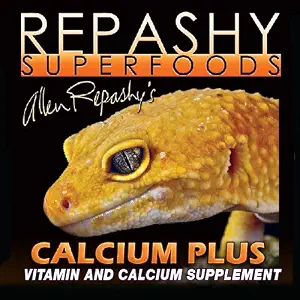
Protein sources: gut-loaded crickets, dubia roaches, black soldier fly larvae, silkworms, hornworms, earthworms, captive-bred snails, occasional pinky mice, cooked chicken or turkey, cooked eggs, and high-quality canned dog or cat food, avoid fish-based formulas. Dust feeder insects with calcium, low or no phosphorus, frequency ranges from every feeding to a few times a week depending on the product and source. A separate multivitamin is used more sparingly, once or twice a week to once or twice a month.
Vegetables and greens: collard greens, dandelion greens, mustard greens, kale, escarole, arugula, plus peas, green beans, squash, carrots, sweet potato, cucumber, and bell peppers. Fruit treats, limited: mango, papaya, berries, melon, banana, and pitted cherries.
Safe Treats and Foods to Avoid
Safe: strawberries and other berries, mango, papaya, melon, banana, pitted cherries, cooked egg, snails, and small amounts of high-quality canned cat or dog food.
Genuinely toxic: avocado, onion and garlic, rhubarb, fireflies, monarch butterflies (toxic from milkweed-derived compounds), and citrus fruits. Eggplant and tomato leaves are nightshade foliage and should be avoided too, along with wild-caught insects, centipedes, spiders, and chocolate. Spinach, beet greens, and Swiss chard aren't an outright ban across every source, but they're high in oxalates that bind calcium, limit them rather than using them as a daily staple.
Why Blue Tongue Skinks Stop Eating
- Brumation. A natural seasonal slowdown, typically November through March, lasting about 3 to 4 months. Brumating skinks hide, sleep more, and largely stop eating and drinking, generally losing little to no weight if temperatures are managed correctly.
- Shedding. Commonly causes reduced appetite or pickiness shortly before, during, and briefly after a shed, returning to normal once it's complete.
- Acclimation stress. Newly acquired skinks, especially wild-caught ones, may hide and refuse food while settling in. Captive-bred skinks typically acclimate within about 2 weeks, wild-caught individuals can take up to 2 months.
- Dietary boredom. A repetitive rotation of the same 2 to 3 foods is frequently cited as a cause of selective refusal. Varying protein sources and greens, or mixing vegetables into canned cat food, is the usual fix.
- Inadequate basking temperature or UVB. A skink needs a warm basking spot to digest food properly. If the enclosure runs too cool or lighting is insufficient, both appetite and digestion suffer, a husbandry fix, not something to wait out. The tank setup guide carries the basking surface targets, and they differ between Northern and Indonesian animals.
- Illness. Respiratory infection, internal parasites, mouth rot, and metabolic bone disease all commonly present with appetite loss as an early, first symptom.
- Impaction. Ingested substrate or oversized feeder items can block the gut, showing as bloating and constipation alongside poor appetite.
- Dehydration. Wrinkled, loose-looking skin and thick or stringy saliva are the signs to watch for, mild cases resolve with fresh water and water-rich vegetables.
When to Worry
There's a real gradient rather than one universal number here. Short dips of days to roughly 1 to 3 weeks in an otherwise active, normal-weight adult are unremarkable, especially around a shed or new enclosure. During genuine brumation, going without food for up to about 3 months is expected, provided temperatures are managed and the skink isn't losing significant weight.
Outside brumation season, refusal lasting more than a few weeks with no clear explanation, or accompanying weight loss and lethargy, is the point to involve a vet. Sources converge in the 7 to 10% body-weight-loss range as an urgent threshold, weighing weekly on a gram-accurate scale and keeping a log is the standard way to catch a slow decline before it becomes obvious. Baby and juvenile skinks carry much less body fat than adults and can't safely fast nearly as long, take prolonged refusal in a young skink seriously much sooner than you would in an adult.
For the insect half of the diet, what you feed roaches and crickets before they get offered decides what the skink gets out of them, and gut loading is a separate job from dusting.
For the animal rather than the husbandry, see the Blue Tongue Skink encyclopedia profile.
Sources & Further Reading
❓ Frequently Asked Questions
How often should I feed my blue tongue skink?
Babies eat daily, juveniles 3 to 4 times a week. Adults are where sources diverge, veterinary sources say every 1 to 3 days, while several widely used pet-industry care sheets say only once or twice a week is enough. That's roughly a 3 to 7 times difference, not a rounding gap, so treat it as a real range and let body condition guide you.
Is a blue tongue skink's diet mostly meat or mostly vegetables?
It flips with age. Young skinks under about 12 months eat protein-heavy, roughly 70 to 80% animal matter. Mature adults shift toward plant-heavy, roughly 40 to 60% protein and 45 to 60% greens and vegetables, with a small fruit allowance.
What's a safe portion size?
Roughly one meal about the size of the skink's own skull, or about 1 to 2 tablespoons for an adult. Feeder insects should be no larger than the space between the skink's eyes.
Why has my blue tongue skink stopped eating?
Brumation is the biggest normal cause, a seasonal slowdown lasting a few months where the skink largely stops eating and drinking. Shedding, acclimation stress after a new home, and dietary boredom from a repetitive rotation are other normal explanations. Insufficient basking temperature or UVB is a common fixable cause that looks like illness but isn't.
How long can a blue tongue skink go without eating?
Short dips of days up to a few weeks are unremarkable in an otherwise active adult. During genuine brumation, going without food for up to about 3 months is expected if temperatures are managed correctly. Outside brumation season, refusal lasting more than a few weeks with no clear explanation, or any weight loss in the 7 to 10% range, is the point to see a vet.
What foods are dangerous for blue tongue skinks?
Avocado, onion and garlic, rhubarb, fireflies, monarch butterflies, and citrus fruits are all named specifically. Nightshade foliage like eggplant and tomato leaves should also be avoided, and spinach, beet greens, and Swiss chard should be limited rather than fed as a daily staple, they bind calcium.
📰 More on the Blue-Tongued Skink
📘 Blue-Tongued Skink care guide
🦎 How Much Does a Blue-Tongued Skink Really Cost?
🦎 How to Handle a Blue-Tongued Skink
🦎 Common Blue-Tongued Skink Health Issues and What Causes Them
🦎 Blue-Tongued Skink Tank Setup: Northern vs. Indonesian, the Difference That Actually Matters
🦎 Blue Tongue Skink Enrichment: Mealworms Made Them Hide Less
🛒 Recommended Gear
As an Amazon Associate, we earn from qualifying purchases through the links above - at no extra cost to you.
Written by Michael Ryan
Mike keeps two rescued bearded dragons, Dex and Cera, and writes the care guides on BeastlyFacts from his own research and mistakes. He is not a veterinarian.
More about Michael Ryan →Comments
No comments yet - be the first!