Is It Legal to Own an Axolotl? State-by-State Guide (Virginia Myth Corrected)
On This Page▾

Axolotls have a real, if narrow, ban problem in the US: a handful of states ban them outright, and about a dozen jurisdictions restrict them in some way. They also have a persistent myth problem: Virginia gets listed as banned across a surprising number of hobbyist sites and forum posts, and it simply hasn't been true since 2021.
Where Axolotls Are Restricted
| State | Status | Basis |
|---|---|---|
| California | Banned | Cal. Code Regs. tit. 14, § 671, genus Ambystoma listed as a detrimental restricted species, no pet permits issued |
| New Jersey | Effectively banned | NJDEP guidance lists axolotls among species that may not be kept as pets or sold, permits not issued for hobby purposes |
| Maine | Restricted, not permitted for pets | 12 M.R.S. § 12152, axolotls aren't on the unrestricted list, and possession permits aren't typically issued for pet ownership |
| Washington, D.C. | Reported banned | D.C. prohibited-animals rules |
| New Mexico | Import-restricted | Possession allowed in some cases, but importing from other states is restricted |
| Wyoming | Banned | Adopts the federal injurious wildlife list, which since 2025 covers genus Ambystoma. Section 8 forecloses a permit rather than offering one |
| Alabama | Banned | Bans possession of any amphibian on the federal injurious list, so the 2025 salamander rule moved Alabama without Alabama doing anything |
| Vermont | Permit, not issued for pets | Salamanders and newts are unrestricted as a group, and then the entire genus Ambystoma is clawed back onto the Restricted list |
| Massachusetts | Permit always required | The class-wide amphibian clearance is subject to a categorical bar on IUCN-listed species, and this one is Critically Endangered |
| Rhode Island | Legal, indoors only | Treated as an exotic amphibian: kept indoors, with importation limited to pet shops and researchers |
| Minnesota | Legal from a permitted breeder | Salamanders are protected wild animals as a whole category, and one from a permitted breeder or held before August 2021 may be kept as a pet |
| Arkansas | Unclear | No amphibian section exists on the unrestricted list, so a non-native salamander is neither exempted nor addressed |
The Virginia Correction
This is worth stating plainly since the wrong version circulates so widely: as of August 1, 2021, it is legal to import, export, sell, and possess axolotls in Virginia, no permit required. This followed an amendment to Virginia's administrative code that specifically carved axolotls out of the state's general salamander-sale prohibition. If you've seen Virginia listed as a ban state, that information predates 2021 and hasn't been updated.
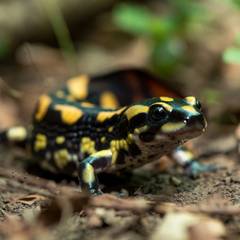
Axolotls belong to genus Ambystoma, the same genus as North American mole and tiger salamanders, including California's own native tiger salamander, which is federally threatened. That taxonomic relationship, not anything about axolotls being rare or endangered themselves, is the actual reason behind every restriction on this list.
Why These Bans Exist: Ecology, Not Conservation
The restrictions that do exist share a common logic, and it isn't about protecting axolotls. Regulators worry about hybridization between axolotls and native Ambystoma salamanders, the risk of an invasive population establishing if animals are released, and disease transmission, particularly the chytrid fungus. California's "detrimental species" label makes this reasoning explicit rather than leaving it implied.
The 2025 Federal Rule: A Real Change, But Not an Ownership Restriction
A federal rule effective January 10, 2025 added 16 more salamander genera to the list of injurious wildlife under the Lacey Act, bringing the total to 36 genera, all tied to concerns about the Batrachochytrium salamandrivorans (Bsal) fungus. Genus Ambystoma, which includes both axolotls and tiger salamanders, is among the newly added genera.
Here's the part that matters for pet owners: this listing restricts importing axolotls into the US and shipping them to or from Hawaii, DC, Puerto Rico, or US territories. It does not restrict ownership, breeding, or sale within the 49 continental states, a distinction confirmed directly by USFWS's own FAQ on the rule. Our Tiger Salamander legal guide covers this same federal rule in more depth, since it applies identically to both species in this genus.
The Takeaway
If you live in California, New Jersey, Maine, Wyoming, Alabama, or DC, this isn't a species worth testing the boundaries on, the restrictions are real and specifically named. Everywhere else, including Virginia since 2021, axolotls are a legal pet, and the federal rule that made headlines in early 2025 is about importation and cross-territory shipment, not about whether you can keep the one you already have. See our exotic pet legal hub for how this fits the broader pattern across exotic pet law.
The Axolotl encyclopedia profile covers the neoteny and the wild population collapse behind all of this.
To see this at a glance, our interactive map of axolotl laws shades every state that restricts one, and clicking a state gives you the rule it comes from.
For the full profile, see the Beastlypedia axolotl file.
Sources & Further Reading
❓ Frequently Asked Questions
Is it legal to own an axolotl in Virginia?
Yes, and this corrects a widely repeated mistake. As of August 1, 2021, the Virginia Department of Wildlife Resources confirms it is legal to import, export, sell, and possess axolotls in Virginia, no permit required. Many hobbyist sites still incorrectly list Virginia as banned.
Which states ban axolotls?
California bans them outright under a detrimental-species regulation, with no pet permits issued. New Jersey effectively bans them, listing axolotls among species that may not be kept as pets or sold. Maine requires a permit that isn't typically issued for pet ownership. Washington DC also reportedly bans them under its prohibited-animals rules. Wyoming and Alabama ban them via the 2025 federal injurious wildlife listing.
Why is California so strict about axolotls specifically?
Axolotls belong to genus Ambystoma, the same genus as California's native tiger salamander, which is federally threatened. California's regulation classifies the entire nonnative Ambystoma group as a detrimental restricted species, driven by hybridization risk with the native population, not a conservation concern about axolotls themselves.
Does the 2025 federal salamander rule affect axolotl ownership?
Not directly. A federal rule effective January 10, 2025 added genus Ambystoma, which includes axolotls, to the list of injurious wildlife under the Lacey Act. That listing restricts importation and shipment to Hawaii, DC, Puerto Rico, and US territories. It does not restrict ownership, breeding, or interstate sale within the continental United States, according to USFWS's own FAQ on the rule.
What about New Mexico?
New Mexico allows possession in some cases but restricts importing axolotls from other states, more of an import-control issue than an outright pet ban.
Why do bans on this species exist at all if axolotls aren't endangered?
The restrictions that exist are ecological, not conservation-driven. Regulators are concerned about hybridization with native Ambystoma salamanders, the risk of invasive establishment if released, and disease transmission, particularly the chytrid fungus. California's detrimental-species framing captures this concern directly.
📰 More on the Axolotl
📘 Axolotl care guide
🦎 How Much Does an Axolotl Really Cost?
🦎 Should You Handle an Axolotl? Only When You Truly Have To
🦎 Common Axolotl Health Issues (Most Trace Back to Temperature)
🦎 Axolotl Tank Setup: Cold Water and No Gravel
🦎 Axolotl Feeding: Schedule, Diet, and the Substrate Mistake That Matters Most

Written by Michael Ryan
Mike keeps two rescued bearded dragons, Dex and Cera, and writes the care guides on BeastlyFacts from his own research and mistakes. He is not a veterinarian.
More about Michael Ryan →Comments
No comments yet - be the first!