Amano Shrimp
Caridina multidentata
Beastly Facts · Updated
On This Page▾
Overview
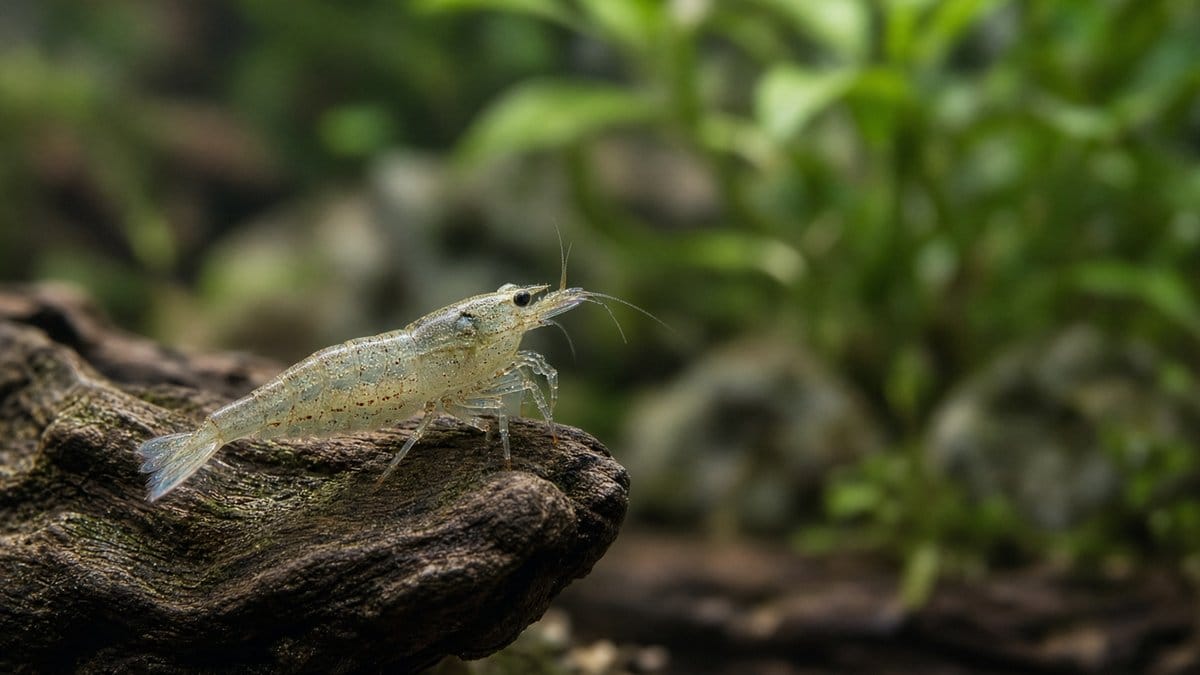
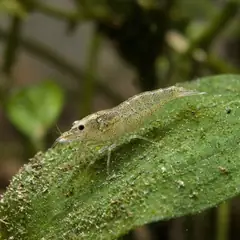
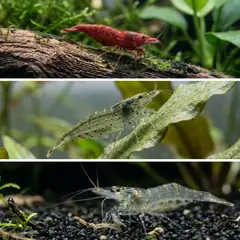
The Amano shrimp is the largest of the dwarf shrimp commonly kept in freshwater aquariums and a widely used algae eater, tackling hair, thread, and even tough beard algae that most fish and other shrimp ignore. It gets its name from Takashi Amano, the Japanese aquascaper who was promoting it against algae by 1983. Unlike the cherry shrimp it's often sold alongside, the Amano shrimp cannot complete its life cycle in freshwater: its larvae must reach salt water within a few days of hatching, so no Amano shrimp is ever bred in a home aquarium.
Quick Facts
Native Range
Japan and Taiwan
Natural Habitat
Coastal rivers, mostly in the middle and upper reaches and lower down too, often over a boulder bed; the larvae drift to the sea and the young climb back upstream
Adult Size
Up to about 2 inches (5 cm); large for a dwarf shrimp, though bamboo and vampire shrimp are bigger still
Wild Diet
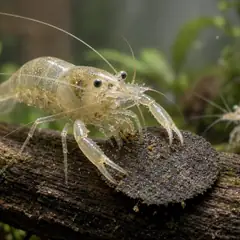
Algae, fine particles and the film on rocks and leaves, swept up with the brush-like fans on its front claws
Wild Lifespan
Not well documented in the wild; 2 to 3 years in an aquarium
Conservation Status
Not assessed by the IUCN
History
William Stimpson described the shrimp in 1860, but his specimens and most of the North Pacific Exploring Expedition collection he had brought to Chicago burned in the Great Chicago Fire of October 1871, and he died nine months later. With the types gone, the same animal was described again as Caridina japonica by De Man in 1892, and that name held for over a century. In 2006 a team led by Yixiong Cai collected fresh material at Stimpson's original localities, showed the two names covered one species, and restored the older multidentata. Takashi Amano was promoting the shrimp against algae by 1983; his company, Aqua Design Amano, was incorporated in 1992, his Nature Aquarium World books began appearing in 1994, and he died in 2015.
Compare
Amano Shrimp
Human
Adult Size
Up to about 2 inches (5 cm); large for a dwarf shrimp, though bamboo and vampire shrimp are bigger still
5-6 feet (150-185 cm); ~135-200 lbs
Wild Lifespan
Not well documented in the wild; 2 to 3 years in an aquarium
~73 years (global average)
Wild Diet
Algae, fine particles and the film on rocks and leaves, swept up with the brush-like fans on its front claws
Omnivorous - eats just about anything
Native Range
Japan and Taiwan
Global - originated in Africa roughly 300,000 years ago
Natural Habitat
Coastal rivers, mostly in the middle and upper reaches and lower down too, often over a boulder bed; the larvae drift to the sea and the young climb back upstream
Everywhere from arctic tundra to tropical megacities
Conservation Status
Not assessed by the IUCN
Least Concern (8+ billion and counting)
Test Yourself
What's the Amano Shrimp's native range?
Fun Facts
🦐 A Sea-Going Childhood
Amano shrimp grow up at sea. In lab tests their larvae stretched the larval stage out when food ran short, which the researchers read as a sign they are built to drift far through the ocean. Only after reaching a threshold size do they become juveniles and head for the fresh water where the adults live.
Care Guide
Amano Shrimp Care Guide
The widely used algae eater that grazes every surface and never overruns a tank!
Fillable forms for any pet

Universal Pet Kit
25 pages · PDF · $4.99
Deep Dive
Health and More


Did You Know?
Amano shrimp can't reproduce in a home freshwater aquarium at all. Females carry eggs and the larvae hatch on schedule, but they have to reach salt water within a few days of hatching, so in a freshwater tank the young never appear. Every amano in a shop was raised outside the home aquarium.
Explore More