How Much Does a Stick Insect Really Cost? (And a Legal Note to Read First)
On This Page▾

Stick insects are cheap to buy and cheap to keep. The catch in the US is legal: which species you have decides whether you can keep it at all, and most care advice branches on species too.
The Legal Picture in the US
In the United States, keeping non-native stick insect species, which includes the common Indian and Vietnamese stick insects widely sold in the hobby, technically requires a USDA APHIS permit under the Plant Protection Act. That permit process requires import into an inspected containment facility, a bar that hobbyist keepers genuinely cannot meet, which means these permits are essentially never issued to individual pet owners.
Generally, only species native to and collected within your own state are clearly legal to keep without a permit, and releasing any stick insect or its eggs into the environment is prohibited. Check current USDA rules for your own situation before buying.
Which Species Do You Have?
Housing, humidity, host plant, and even whether it is safe to hold all depend on the species, so identification comes before the purchase or, for a found insect, before the setup.
- Indian stick insect (Carausius morosus). The one most often kept and most often found as an escapee. Adults are 2¾ to 4 inches long, wingless, and usually brownish, with a thin body and legs they fold flat alongside it. The giveaway is bright red patches on the inner base of the front legs, shown when the insect splays its forelegs in alarm. Females lay fertile eggs without mating, and males are rare. The species is not native anywhere in the US and has established wild populations along coastal California from released pets and discarded eggs.
- Northern walkingstick (Diapheromera femorata). The common native species across much of North America, found in deciduous woods where its food plants, oak and hazelnut, grow. Males average about 3 inches and are brown, females about 3¾ inches and brown with a hint of green, and nymphs start out green.
- Two-striped walkingstick (Anisomorpha buprestoides). A native US species to identify and then leave alone. Its defensive spray can cause temporary blindness and considerable pain in an adult, which is why knowing the exact species matters before anyone handles one.
- California natives. Several small native species, including the western shorthorned and gray walking sticks, live on grasses and scrub in dry wild areas and are easily told from the Indian stick insect by the missing red leg patches.
Getting a Native Species Legally
A species native to your state, collected in your state, is the clearly legal route. In practice that means finding one yourself in season, on oak and hazel for the northern walkingstick, or getting one from a keeper in your state who collected it locally. Buying even a native species from a seller in another state is a different matter: APHIS requires a PPQ 526 permit to move wild-type plant pests within the US, whether or not the species already occurs in the destination state, unless it appears on the list of organisms approved for interstate movement.
Two habits keep a legal colony legal. Never release insects or eggs, even of a native species, from a captive colony. And treat cage debris as if it holds eggs, because it usually does: the eggs look like seeds and like the droppings they sit among. Bag it, seal it, and freeze it for a week before it goes in the trash.
The Insect: Often Just a Few Dollars
Common species, Indian stick insects especially, are inexpensive, frequently just a few dollars per nymph, and sometimes given away free by keepers since many species reproduce prolifically. Rare giant species are a different story entirely, some command prices exceeding $1,000 for a single adult.
Upfront Setup: $80 to $160
| Item | Cost Range |
|---|---|
| Tall, mesh-topped enclosure, at least three times body length in height (check the height against your species) | $45 - $90 |
| Coconut coir substrate, or plain paper towel | $10 - $20 |
| Spray bottle for misting | $5 - $15 |
| A digital hygrometer | $10 - $20 |
| Water tubes for cut stems, with the opening blocked | $10 - $15 |
| Setup total | $80 - $160 |
Typical price ranges across retailers.
A small heat or grow light is only worth adding if the room runs cold or dark; most species do not need one.
For a species this inexpensive to buy, the enclosure and misting setup make up nearly the entire upfront cost. The mesh top is not a ventilation preference: it is what the insect hangs from to molt, which is why the enclosure line is the one worth spending on.
Ongoing Costs: Minimal
Fresh host-plant cuttings, often foraged for free depending on the species' specific dietary needs, plus water for misting make up nearly the entire ongoing cost.
Vet Costs
Essentially none. Invertebrate veterinary care isn't really a thing for this species, care is entirely husbandry-based.
Rare giant stick insect species can command prices exceeding $1,000 for a single adult, a striking contrast to the common Indian stick insect, which often costs just a few dollars per nymph and sometimes gets given away free.
Lifespan
Around one year is typical, roughly 4 to 10 months as a nymph followed by 5 to 12 months as an adult. Females generally live longer than males, often close to 18 months. A small number of larger species can reach 2 to 3 years.
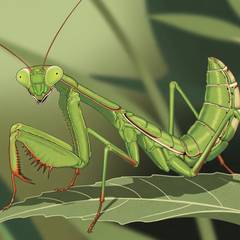
A praying mantis sits in a similarly affordable range, though a mantis has to be housed alone while a stick insect colony can grow on its own, and an Indian stick insect colony grows without a single male.
Sources & Further Reading
Last reviewed 15 Sep 2026 · 4 sources
- USDA APHIS: Regulated Organism and Soil Permits, Insects and Mites; Insects and Mites FAQs
- UC Statewide IPM Program: Indian Walking Stick Pest Notes
- Animal Diversity Web: Diapheromera femorata
- Amateur Entomologists' Society: Stick Insect Caresheet
Frequently Asked Questions
Do you need a permit to keep a stick insect in the US?
For non-native species, yes. The Indian and Vietnamese stick insects sold in the hobby need a USDA APHIS permit that requires an inspected containment facility, so individual pet owners essentially never get one. A species native to your state and collected there is the clearly legal route. Releasing any stick insect or its eggs is prohibited either way.
How much does a stick insect itself cost?
Often just a few dollars for a nymph of a common species like the Indian stick insect, and keepers sometimes give them away free, since many species reproduce prolifically. Rare giants are the exception: some command prices exceeding $1,000 for a single adult.
What does the upfront setup cost for a stick insect?
Roughly $80 to $160, covering a tall, mesh-topped enclosure, substrate, a spray bottle for misting, a hygrometer and water tubes for the cut stems. The enclosure is most of it. An optional small heat or grow light adds more, and isn't required for most commonly kept species.
What are the ongoing costs of keeping a stick insect?
Minimal. Host-plant cuttings can often be foraged for free, depending on what the species eats, and misting costs nothing but water. Little else recurs.
Do stick insects need vet care?
Essentially none. Invertebrate veterinary care isn't a thing here, so everything comes down to husbandry.
How long do stick insects live, and how does that affect budgeting?
About a year, typically. A nymph phase of roughly 4 to 10 months is followed by 5 to 12 months as an adult. Females generally outlive males, often reaching close to 18 months, and some larger species can reach 2 to 3 years.
More on the Stick Insect
Stick Insect care guide
🦋 How to Handle a Stick Insect (And Why You Can Keep More Than One)
🦋 Common Stick Insect Health Issues (Molting Is the Biggest Risk)
🦋 Stick Insect Enclosure Setup: Height, Humidity, and the Right Host Plant
🌿 Stick Insect Feeding: Bramble in a Jar, the Right Plant for the Species, and Water That Cannot Drown a Nymph
🦗 Stick Insect Enrichment: Fresh Leaves and Room to Hang
Recommended Gear
As an Amazon Associate I earn from qualifying purchases through the links above, at no extra cost to you.
Written by Michael Ryan
Mike keeps two rescued bearded dragons, Dex and Cera, and writes the care guides on BeastlyFacts from his own research and mistakes. He is not a veterinarian.
More about Michael Ryan →