How Much Does a Giant Millipede Really Cost? (And a Supply Note Worth Knowing)
On This Page▾

Giant African millipedes are inexpensive to keep month to month, though the animal itself costs more than you might expect for an invertebrate, and there's a real reason behind that.
Why the Price Runs Higher Than Other Invertebrates
The USDA maintains an import embargo on giant African millipedes, tied to concerns about a potentially damaging mite species found on imported animals, and a plant pest permit is required to keep this species. Practically, this means most giant millipedes available in the US today are captive-bred or from older stock rather than freshly imported, which keeps supply genuinely limited and prices higher than you'd expect for an animal this low-maintenance to care for. Some states also have their own additional sales restrictions or permit requirements, worth checking before you buy.
The Millipede Itself: $75 to $150 or More
Compared to most pet invertebrates, this is a real step up in purchase price, driven entirely by the supply situation above rather than anything about the animal's care difficulty.
Upfront Setup: Roughly $75 to $150
| Item | Cost Range |
|---|---|
| A 20 gallon long tank, or a 40-gallon breeder tank or tub | $35 - $60 |
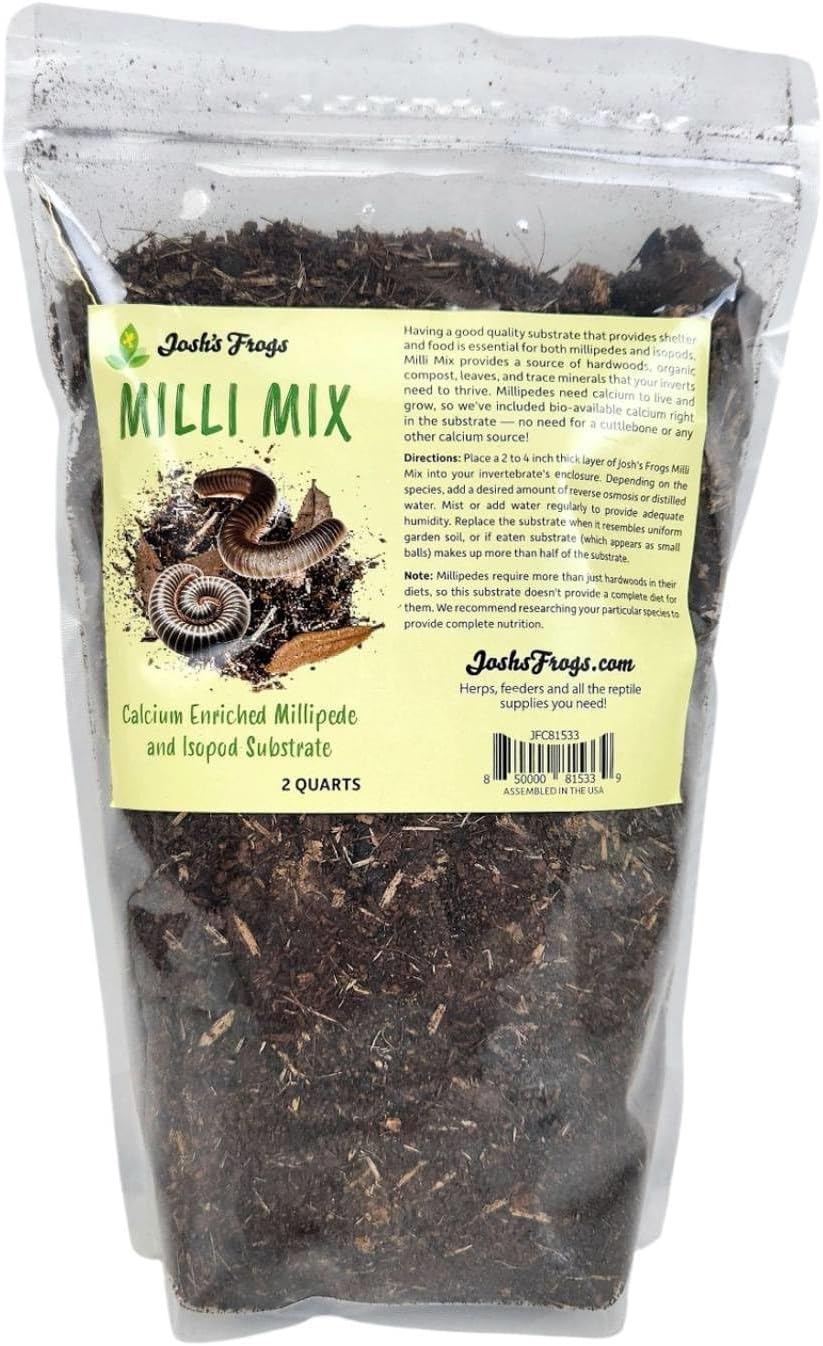
| Deep organic substrate, genuinely the biggest recurring cost for this species | $17 - $21+ |
| Leaf litter and hides | A few dollars |
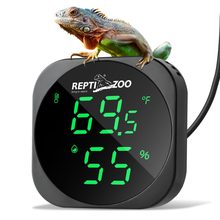
| A digital hygrometer and thermometer | $11 - $19 |
| A spray bottle | $7 - $12 |
Ongoing Costs: Minimal
Fresh produce and periodic substrate or leaf litter replenishment make up nearly the entire monthly cost, just a few dollars.
Vet Costs
Essentially none. Invertebrate-experienced exotic vets exist but are rarely needed, most issues are managed through husbandry alone.
A giant millipede can live up to 10 years in captivity, and 5 to 7 years in the wild. That's genuinely remarkable longevity for an invertebrate, well beyond what you'd expect from an animal this small and this inexpensive to feed.
Lifespan: Exceptionally Long for an Invertebrate
5 to 7 years in the wild, and up to 10 years in captivity. This is remarkable longevity for an invertebrate, considerably longer than the praying mantis, jumping spider, or hissing cockroach, and worth factoring into your decision as a real, multi-year commitment rather than a short-lived novelty pet.
If you're comparing this species against other exotic pets, see Jackson's Chameleon, Canary, Giant Millipede & Corydoras Catfish compared.
For the animal rather than the husbandry, see the Giant African Millipede encyclopedia profile.
❓ Frequently Asked Questions
Why does a giant millipede cost more than other invertebrates?
Imports are under a USDA embargo, prompted by concerns about a potentially damaging mite species found on imported animals, and keeping one requires a plant pest permit. So the animals for sale in the US are captive-bred or older stock instead of fresh imports. Limited supply, not care difficulty, is what pushes the price up.
How much does a giant millipede cost upfront?
The millipede itself typically runs $75 to $150 or more, a real step up in price for an invertebrate, driven entirely by the supply situation rather than anything about the animal's care difficulty. Setup, tank, substrate, leaf litter, a hygrometer, and a spray bottle, adds roughly another $75 to $150.
What are the ongoing costs of keeping a giant millipede?
Minimal, just a few dollars. Fresh produce plus topping up substrate and leaf litter is nearly the whole monthly cost.
Do giant millipedes need vet care?
Essentially none. Exotic vets experienced with invertebrates exist but are rarely needed, most issues come down to husbandry.
How long do giant millipedes live?
5 to 7 years in the wild, up to 10 in captivity. That is remarkable longevity for an invertebrate, well past a praying mantis, jumping spider, or hissing cockroach, so treat it as a multi-year commitment and not a short-lived novelty pet.
Are there legal restrictions that affect price or availability?
Yes. On top of the federal USDA permit, some states add their own sales restrictions or permit requirements, so check yours before buying.
📰 More on the Giant Millipede
🛒 Recommended Gear
As an Amazon Associate, we earn from qualifying purchases through the links above - at no extra cost to you.

Written by Michael Ryan
Mike keeps two rescued bearded dragons, Dex and Cera, and writes the care guides on BeastlyFacts from his own research and mistakes. He is not a veterinarian.
More about Michael Ryan →Comments
No comments yet - be the first!