Ghost Shrimp
Palaemon paludosus (formerly Palaemonetes)
Beastly Facts · Updated
On This Page▾
Overview
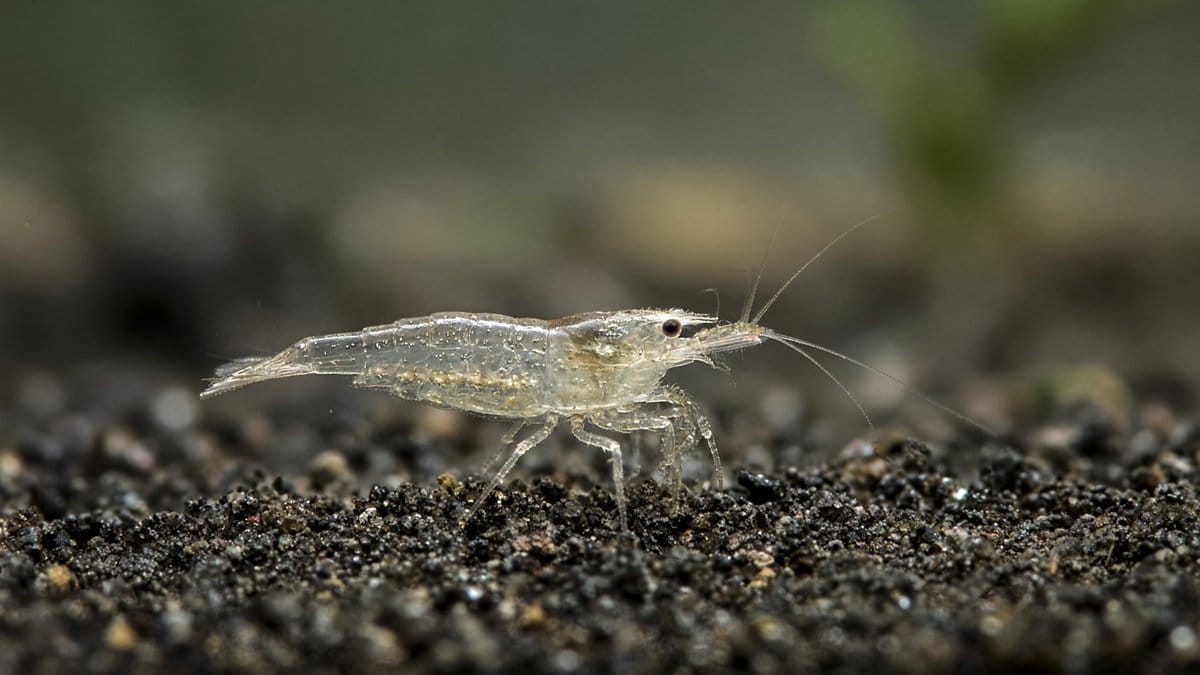
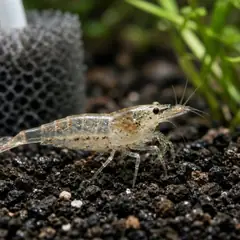
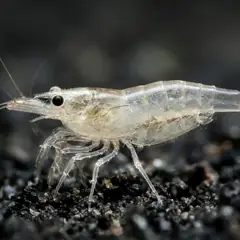
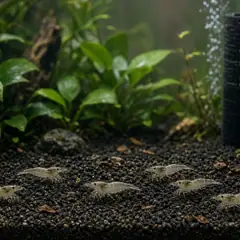
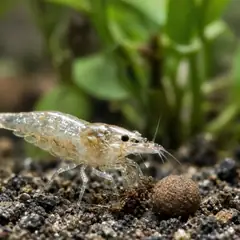
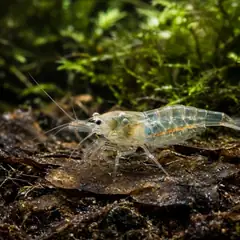
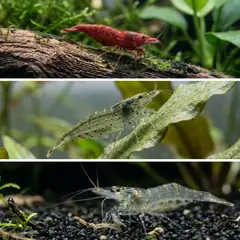
Ghost shrimp are small, nearly transparent freshwater shrimp from the genus Palaemon (long listed under the older genus name Palaemonetes), sold under names like ghost shrimp and glass shrimp. Most are Palaemon paludosus, some are the near-identical P. kadiakensis, and lookalikes such as whisker shrimp are sometimes sold under the same name. Unlike the cherry shrimp and Amano shrimp they're commonly sold beside, ghost shrimp belong to an entirely different, unrelated shrimp family (Palaemonidae rather than Atyidae) that took its own separate evolutionary path from salt water into fresh water. Cheap, hardy and tolerant of imperfect water, they are sold in bulk as feeder stock as often as they are kept as pets. A translucent little scavenger that works the tank after dark still makes an appealing resident.
Quick Facts
Native Range
North America (the most common aquarium species, Palaemon paludosus, ranges the Atlantic coastal plain from Florida to New Jersey)
Natural Habitat
Freshwater ponds, lakes, and streams with dense submerged vegetation
Adult Size
1-2 inches (2.5-5 cm); females larger than males
Wild Diet
Algae first, then plant matter, detritus and aquatic insects (omnivorous scavenger)
Wild Lifespan
About 1 year; the life cycle is confined to one year, with many living 6 to 13 months in the wild
Conservation Status
Not formally assessed (IUCN); secure and widespread in its native range
History
Lewis Reeve Gibbes described the species most often sold under the name in 1850. It spent most of the following century in Palaemonetes, a genus that no longer exists: molecular work by Ashelby and colleagues in 2012 showed Palaemonetes was nested inside Palaemon, and De Grave and Ashelby formally sank it the year after, making the correct name Palaemon paludosus. Almost none of the trade has caught up. The animals are still pulled out of southeastern waterways, mostly in Florida, instead of being produced in hatcheries, which is unusual for a creature moved in these numbers.
Compare
Ghost Shrimp
Human
Adult Size
1-2 inches (2.5-5 cm); females larger than males
5-6 feet (150-185 cm); ~135-200 lbs
Wild Lifespan
About 1 year; the life cycle is confined to one year, with many living 6 to 13 months in the wild
~73 years (global average)
Wild Diet
Algae first, then plant matter, detritus and aquatic insects (omnivorous scavenger)
Omnivorous - eats just about anything
Native Range
North America (the most common aquarium species, Palaemon paludosus, ranges the Atlantic coastal plain from Florida to New Jersey)
Global - originated in Africa roughly 300,000 years ago
Natural Habitat
Freshwater ponds, lakes, and streams with dense submerged vegetation
Everywhere from arctic tundra to tropical megacities
Conservation Status
Not formally assessed (IUCN); secure and widespread in its native range
Least Concern (8+ billion and counting)
Test Yourself
What's the Ghost Shrimp's native range?
Fun Facts
🦐 Same Shelf, Different Families
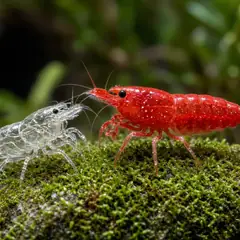
Ghost shrimp and cherry shrimp are not the cousins they look like. The American grass shrimp sold as ghost shrimp, Palaemon paludosus, belongs to the family Palaemonidae. Cherry shrimp and Amano shrimp both sit in a separate family, Atyidae. Same shelf, different branches of the family tree.
Care Guide
Ghost Shrimp Care Guide
The see-through scavenger that costs pennies and earns its keep!
Fillable forms for any pet

Universal Pet Kit
25 pages · PDF · $4.99
Deep Dive
Health and More


Did You Know?
Despite looking like a smaller, cheaper cousin of the cherry and Amano shrimp sold right next to them in the store, ghost shrimp aren't closely related to either. They belong to the family Palaemonidae, while cherry and Amano shrimp both belong to the unrelated family Atyidae, and each lineage independently evolved from marine ancestors into fresh water at a different point in history. Their famous hardiness is exactly why they're sold cheaply in bulk as feeder shrimp for larger fish, even though plenty of keepers keep them purely as pets.
Explore More