Garter Snake
Thamnophis sirtalis
Beastly Facts · Updated
On This Page▾
Overview
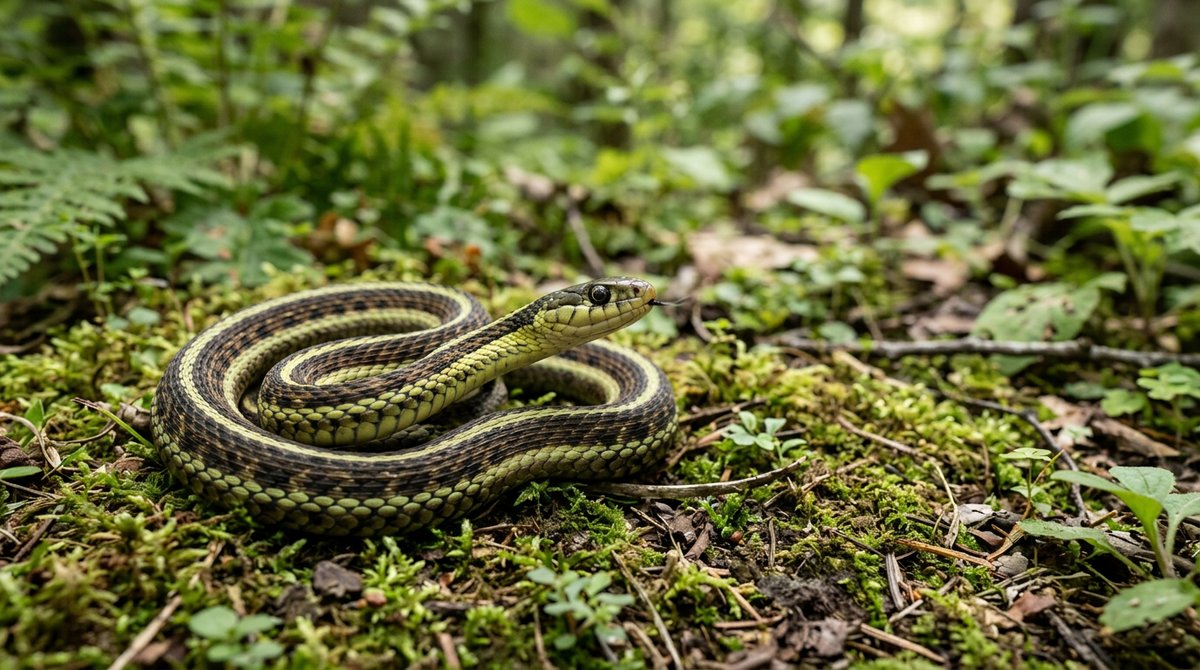
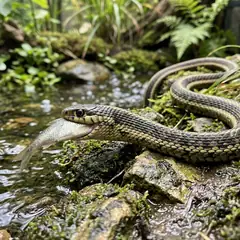
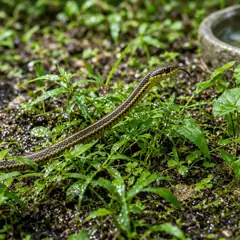
The common garter snake is among the most widely distributed snakes in North America, found in gardens, wetlands and vacant lots from Florida to coastal Quebec and west to British Columbia. It is one of the snakes most often found in a backyard in the US. Unlike most snakes kept as pets, garter snakes give birth to live young rather than laying eggs. They are semi-aquatic hunters that go after fish, earthworms, slugs and amphibians rather than rodents. Many individuals never accept a plain mouse. They carry a mild rear-fanged venom from a Duvernoy's gland that helps subdue small prey but is harmless to people in normal handling. Cheap, hardy and small, a garter snake is an accessible pet for a keeper prepared to source fish and worms instead of relying on frozen mice.
Quick Facts
Native Range
Most of the United States and Canada; largely absent from the arid Southwest
Natural Habitat
Meadows, marshes, woodland edges, hillsides, and suburban gardens near water
Adult Size
18-26 inches (46-66 cm) typical; large females occasionally exceed 3.5 feet (107+ cm)
Wild Diet
Earthworms, fish, amphibians, slugs, and snails; occasionally small rodents
Wild Lifespan
2-4 years in the wild (6-10+ years in captivity, some documented past 20)
Conservation Status
Least Concern (IUCN); the San Francisco garter snake subspecies is federally endangered
History
Garter snakes have a scientific history most pet species never acquire. The genus Thamnophis is one of the major vertebrate models in organismal biology, used for work on speciation, toxin resistance, pheromonal communication, behavior genetics, and reproductive physiology, and the common garter snake's genome has been sequenced. Its resistance to the tetrodotoxin carried by newts it eats is one of the most studied predator and prey arms races in vertebrates. A snake a child can find in a vacant lot is also one of the best understood reptiles in the laboratory.
Compare
Garter Snake
Human
Adult Size
18-26 inches (46-66 cm) typical; large females occasionally exceed 3.5 feet (107+ cm)
5-6 feet (150-185 cm); ~135-200 lbs
Wild Lifespan
2-4 years in the wild (6-10+ years in captivity, some documented past 20)
~73 years (global average)
Wild Diet
Earthworms, fish, amphibians, slugs, and snails; occasionally small rodents
Omnivorous - eats just about anything
Native Range
Most of the United States and Canada; largely absent from the arid Southwest
Global - originated in Africa roughly 300,000 years ago
Natural Habitat
Meadows, marshes, woodland edges, hillsides, and suburban gardens near water
Everywhere from arctic tundra to tropical megacities
Conservation Status
Least Concern (IUCN); the San Francisco garter snake subspecies is federally endangered
Least Concern (8+ billion and counting)
Test Yourself
What's the Garter Snake's native range?
Fun Facts
🐍 Snakes in Good Shape Stink More
Garter snakes in good shape may stink more. When researchers hand-caught two garter snake species near Denver, terrestrial garter snakes in better body condition were more likely to musk them. The team's take: the smelly defense looks resource dependent, with well fed snakes the readiest to let fly.
🐍 Tongue Sniffers
Snakes smell with help from their tongues! Each flick of that forked tongue grabs chemicals from the air or ground. The tongue can't smell a thing itself, though: it drops its haul onto pads on the floor of the mouth, which most likely pass it up to the Jacobson's organ in the roof of the mouth.
Where it is legal
26 US jurisdictions restrict this species, from outright bans to permits. Every one quotes the rule it comes from.
Fillable forms for any pet

Universal Pet Kit
25 pages · PDF · $4.99
Deep Dive

Health and More




Did You Know?
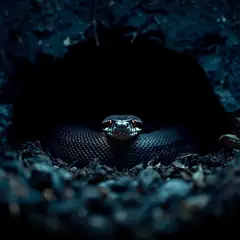
Garter snakes give birth to live young instead of laying eggs, and a single litter can range from a handful of babies to as many as 80!
Explore More