Mourning Gecko Feeding: Schedule, Diet, and Why They Stop Eating
On This Page▾

Because every mourning gecko is female and lays eggs on her own schedule regardless of a mate, her calcium needs never take a break, which shapes this species' feeding routine more than almost anything else.
Feeding Schedule
This is one of the more genuinely inconsistent schedules across care sources, so treat the following as a real range. Powdered crested gecko diet (CGD): some sources describe keeping it essentially always available, replaced every 24 to 48 hours. Others recommend 2 to 4 times a week on a set rotation, and one retailer's own blog care sheet builds in 2 fasting days a week with no food at all. Live insects: anywhere from once to three times weekly depending on the source.
Hatchlings get a dime-sized dab of powdered diet every other day, plus calcium-dusted fruit flies about once a week, with misting 1 to 2 times daily for hydration. Juveniles scale portions up and get insects more often as they grow. Gravid females need more frequent, consistent feeding than a resting adult, mourning geckos lay eggs roughly every 4 to 6 weeks, continuously, since the species is parthenogenetic and doesn't need a mate to reproduce.
What Mourning Geckos Eat
The staple is a powdered, commercially formulated crested gecko diet mixed with water to a smoothie-like paste, roughly 2 to 3 parts water to 1 part powder. Mount the feeding cup on a wall or vertical surface rather than the enclosure floor, mourning geckos are arboreal. Discard and replace food every 24 to 48 hours to avoid mold, though a properly refrigerated mix can be used over about a week if refreshed regularly.

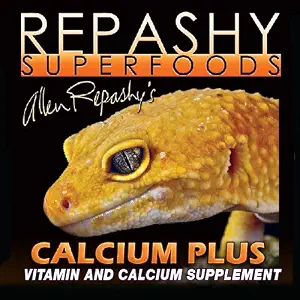
Live insects add enrichment, protein, and natural hunting behavior: pinhead crickets scaling up as the gecko grows, fruit flies for hatchlings and small geckos, newborn dubia or discoid roach nymphs, and small mealworms in moderation. Prey should be no larger than the width of the gecko's head to avoid impaction. Gut-load insects before offering, then dust with calcium at most feedings, rotating in a multivitamin for roughly one weekly insect feeding instead. Because this species lays eggs continuously, calcium supply is a constant need, not a seasonal one, even for a lone, unbred female.
Safe Treats and Foods to Avoid
Safe, occasionally: small amounts of soft ripe fruit like mango, melon, and strawberry, plus waxworms and small superworms as fatty treats used sparingly, overuse of fatty feeders can make a gecko start refusing other foods.
Avoid: wild-caught insects (pesticide and parasite risk) and citrus fruit, both specifically flagged for this species. Don't offer prey wider than the gecko's own head. Skip baby food and relying on unsupplemented insects as the sole diet, neither provides adequate long-term nutrition.
Why Mourning Geckos Stop Eating
- New-enclosure stress. The single most commonly cited reason. Give a newly acquired gecko several days to about a week of quiet, undisturbed time before expecting normal feeding.
- Shedding. A duller color, reduced activity, and a smaller appetite dip commonly show up the day or so before a shed, resolving once humidity stays adequate and the shed completes.
- Ongoing egg production. Because females lay eggs continuously without needing a mate, egg development pulls real energy and can cause a partial appetite dip alongside a visibly swollen abdomen.
- Overcrowding. In a colony, more dominant geckos can out-compete smaller tankmates for food, suppressing their appetite and, in juveniles, risking malnutrition if it continues.
- Prey too small. Pinhead-sized insects can stop triggering a hunting response once a gecko is around a year old, the fix is simply upsizing the feeder, not a health concern.
- A cold room. Mourning geckos are tropical and aren't meant to be deliberately cooled the way some temperate reptiles are. An appetite drop tied to cold housing is a husbandry problem to correct, not a dormancy phase to wait out.
- Illness. Appetite loss combined with weight loss points to possible parasites or another underlying issue needing diagnosis.
When to Worry
A short dip, a few days after coming home or around a shed, is normal and just needs a husbandry check, temperature, humidity, quiet. Appetite loss stretching beyond about a week, some sources say 7 to 10 days, is the point to check husbandry first and then see a reptile-experienced vet if it doesn't resolve.
Concrete red flags regardless of day count: visible weight loss, a thin, stick-like tail (mourning geckos store fat reserves there, so a shrinking tail signals real reserves being burned), lethargy beyond a normal shed cycle, sunken or cloudy eyes outside the pre-shed window, a swollen abdomen paired with straining, which points to egg-binding and needs urgent vet care, and loose stools. Any of these should move up the timeline rather than waiting out a full week.
Fruit flies and micro-crickets are only as nutritious as what you feed them first, our gut-loading feeder insects guide covers how to do that and how long it holds.
For the animal rather than the husbandry, see the Mourning Gecko encyclopedia profile.
Sources & Further Reading
Last reviewed 31 Jul 2026 · 3 sources
❓ Frequently Asked Questions
How often should I feed my mourning gecko?
This is inconsistent across care sheets, some recommend keeping powdered gecko diet essentially always available, others say 2 to 4 times a week on a set rotation, and one retailer's own care sheet even builds in 2 fasting days a week. Insects land anywhere from once to three times weekly depending on the source. Treat it as a real range, not one settled number.
Why does a single pet mourning gecko still need consistent calcium?
Because every mourning gecko is female and reproduces by parthenogenesis, a lone pet with no companion at all still lays a pair of eggs roughly every 4 to 6 weeks, year-round. Egg production never pauses, so calcium demand is constant rather than seasonal, even for an unbred gecko.
Is powdered diet alone nutritionally enough long-term?
Most retail sources treat it as a workable staple, but at least one independent care sheet is more cautious, saying it's hard to say for certain it's adequate long-term on its own, especially for growing juveniles. Pairing it with regular gut-loaded, calcium-dusted insects is the safer approach either way.
Why has my mourning gecko stopped eating?
Stress from being freshly brought home is the single most commonly cited reason, give a new gecko several days to about a week of quiet before expecting normal feeding. Shedding and ongoing egg production in females are other normal explanations. A cold room is a real, fixable cause, this species isn't meant to be deliberately cooled the way some other reptiles are.
How long can a mourning gecko go without eating?
A short dip of a few days, especially right after a move or around a shed, is normal. Appetite loss stretching beyond about a week is the point to check husbandry first, temperature, humidity, prey size, then see a reptile-experienced vet if it doesn't resolve.
What foods are dangerous for mourning geckos?
Wild-caught insects, for pesticide and parasite risk, and citrus fruit are specifically flagged. Don't offer prey wider than the gecko's own head, and skip baby food and unsupplemented feeder-only diets, neither provides adequate long-term nutrition.
📰 More on the Mourning Gecko
📘 Mourning Gecko care guide
🦎 How Much Does a Mourning Gecko Really Cost?
🦎 Should You Handle a Mourning Gecko? Realistically, No
🦎 Common Mourning Gecko Health Issues (Egg-Laying Changes the Picture)
🦎 Mourning Gecko Tank Setup: A Small, Humid, Planted Display Vivarium
🦎 Mourning Gecko Enrichment: The Only One You Should Keep in Groups
🛒 Recommended Gear
As an Amazon Associate, we earn from qualifying purchases through the links above - at no extra cost to you.
Written by Michael Ryan
Mike keeps two rescued bearded dragons, Dex and Cera, and writes the care guides on BeastlyFacts from his own research and mistakes. He is not a veterinarian.
More about Michael Ryan →Comments
No comments yet - be the first!