How Much Does a California Kingsnake Really Cost?
On This Page▾

California kingsnakes are one of the more affordable pet snakes, and the cost of keeping one month to month is low.
The Snake: $45 to $300
Wild-type banded babies start as low as $45. Morphs push the price up from there:
| Morph | Price Range |
|---|---|
| Wild-type banded | $45+ |
| Aberrant or hypo patterns | $60 - $150 |
| Albino | $100 - $220 |
| Banana | $150 - $250 |
| High-white or lavender lines | $200 - $300 |
Choosing a morph is purely an aesthetic decision here, it doesn't meaningfully affect care one way or another.
Upfront Setup: Roughly $200 to $500
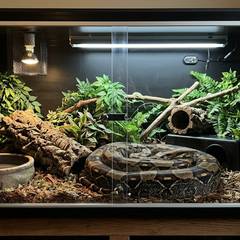
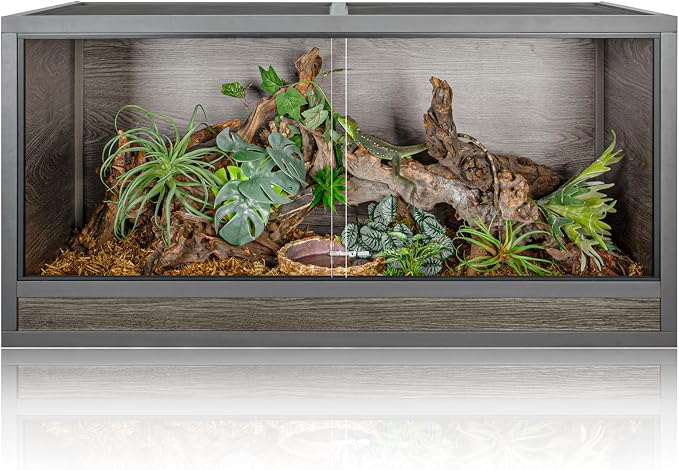
- A 48x24x24 inch front-opening enclosure for an adult
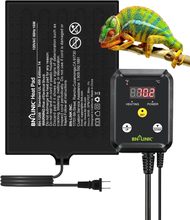
- An under-tank heat pad, overhead heat source, or both, plus a thermostat
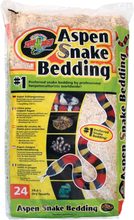
- Aspen substrate
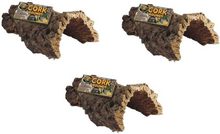
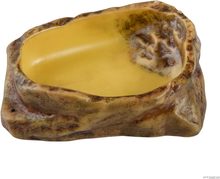
- Two hides and a water bowl
- A genuinely secure, tightly fitting lid
Ongoing Costs: Roughly $15 to $30 a Month
One appropriately sized rodent a week, plus substrate and modest electricity, make this one of the cheapest snakes there is to feed on an ongoing basis.
Vet Costs
A routine exotic exam runs $50 to $135. Emergency visits start around $150 and can reach $500 or more with treatment and diagnostics.
Lifespan
20 years or more is achievable with good care, with some individuals surpassing that. This is a long-term commitment paired with a genuinely low day-to-day cost, making the total lifetime investment more modest than the years alone might suggest.
California kingsnakes get their common name from being ophiophagous, meaning they eat other snakes, including venomous species. That instinct is exactly why this species carries a housing rule unlike almost any other pet snake.
The One Cost Consideration That Isn't About Money
This is worth flagging even in a cost guide, since it affects planning from the start: California kingsnakes are ophiophagous, meaning they eat other snakes, and that instinct doesn't turn off in captivity. If you're planning to keep multiple reptiles, this species needs to be housed completely separately, never even near another snake's enclosure in a way that allows contact. It's worth knowing before you buy a second snake and assume co-housing might work, whether that second snake is a milk snake, a boa constrictor, or anything else.
How this species stacks up against three other popular exotic pets is in Leaf-Tailed Gecko, California Kingsnake, Box Turtle & Oscar Fish compared. If you're weighing it against another classic beginner snake, a corn snake comes to a very similar budget.
For the animal rather than the husbandry, see the California Kingsnake encyclopedia profile.
❓ Frequently Asked Questions
How much does a California kingsnake itself cost?
Wild-type banded babies start as low as $45. Morphs push the price higher, albino runs $100 to $220, banana $150 to $250, aberrant or hypo patterns $60 to $150, and high-white or lavender lines $200 to $300. Choosing a morph is purely an aesthetic decision, it doesn't meaningfully affect care one way or another.
What does a full upfront setup cost?
Roughly $200 to $500. That buys a 48x24x24 inch front-opening enclosure for an adult, an under-tank heat pad or overhead heat source or both, a thermostat, aspen substrate, two hides, a water bowl, and a secure, tightly fitting lid.
What are the ongoing monthly costs?
Roughly $15 to $30 a month. That is one appropriately sized rodent a week, substrate, and modest electricity. Few reptiles are cheaper to feed.
How much does vet care cost for a California kingsnake?
$50 to $135 for a routine exotic exam. An emergency visit starts around $150 and can reach $500 or more once treatment and diagnostics are added.
How long do California kingsnakes live, and what's the lifetime cost?
20 years or more is achievable with good care, with some individuals surpassing that. Paired with low day-to-day costs, the total lifetime investment ends up more modest than the years alone might suggest.
Is there a cost consideration for this species beyond money?
Yes. California kingsnakes eat other snakes, and that instinct doesn't turn off in captivity. If you keep other reptiles, this species has to be housed completely separately, with no contact with another snake's enclosure.
🛒 Recommended Gear
As an Amazon Associate, we earn from qualifying purchases through the links above - at no extra cost to you.

Written by Michael Ryan
Mike keeps two rescued bearded dragons, Dex and Cera, and writes the care guides on BeastlyFacts from his own research and mistakes. He is not a veterinarian.
More about Michael Ryan →Comments
No comments yet - be the first!