Russian Tortoise
Testudo horsfieldii
Beastly Facts · Updated
On This Page▾

Overview
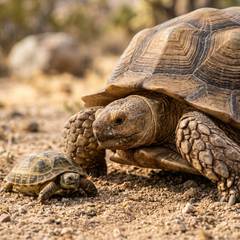
The Russian tortoise (also called Horsfield's tortoise) is a compact, hardy species native to the arid steppes and rocky desert from Kazakhstan to Pakistan and China. They are one of the world's most cold-tolerant tortoises, surviving extreme temperature swings by hibernating deep underground for months at a time. Among the smallest and hardiest of the commonly kept tortoise species, they have been popular pets for decades.
Quick Facts
Native Range
Central Asia (Kazakhstan, Uzbekistan, Iran, Pakistan, China)
Natural Habitat
Semi-arid steppe, rocky desert, and dry scrubland
Adult Size
5-9 inches (13-23 cm)
Wild Diet
Grasses, leaves, flowers, and plant matter
Wild Lifespan
Not well documented in the wild; the widely quoted 40 to 50 years, with some individuals reported past 60, is a captive-care range
Conservation Status
Vulnerable (IUCN)
History
The Russian tortoise has been traded heavily for the global pet market since the mid-1970s, long enough that a wild-caught animal was the norm for most of that history. It sits on CITES Appendix II, where trade runs on export quotas the range states set for themselves, and the IUCN lists it as vulnerable. Uzbekistan is the main exporter today and Ukraine supplies a smaller share, with captive breeding running alongside a continuing wild-caught supply. The difference matters to a buyer, since wild-caught tortoises arrive stressed and carrying parasites and die at a higher rate than captive-bred ones.
Compare
Russian Tortoise
Human
Adult Size
5-9 inches (13-23 cm)
5-6 feet (150-185 cm); ~135-200 lbs
Wild Lifespan
Not well documented in the wild; the widely quoted 40 to 50 years, with some individuals reported past 60, is a captive-care range
~73 years (global average)
Wild Diet
Grasses, leaves, flowers, and plant matter
Omnivorous - eats just about anything
Native Range
Central Asia (Kazakhstan, Uzbekistan, Iran, Pakistan, China)
Global - originated in Africa roughly 300,000 years ago
Natural Habitat
Semi-arid steppe, rocky desert, and dry scrubland
Everywhere from arctic tundra to tropical megacities
Conservation Status
Vulnerable (IUCN)
Least Concern (8+ billion and counting)
Test Yourself
What's the Russian Tortoise's native range?
Fun Facts
🐢 The Century Club
Aldabra tortoises can live for more than 100 years. At the Smithsonian's National Zoo, a tortoise named Sable arrived in 1956 already at least 30 years old. When she died in 2013, keepers estimated she was at least 87, and possibly closer to 100!
Where it is legal
11 US jurisdictions restrict this species, from outright bans to permits. Every one quotes the rule it comes from.
Subscribe - it's free
New animal facts and care guides straight to your inbox. No spam.
Deep Dive

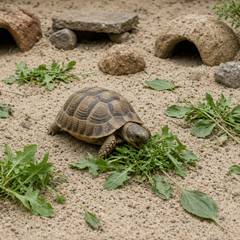
Health and More


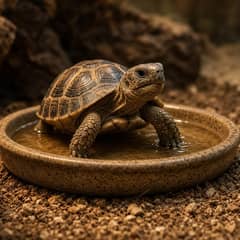
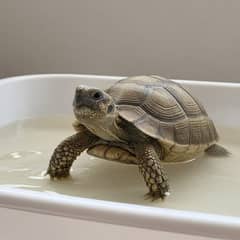



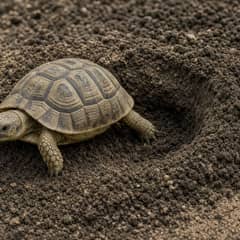




Did You Know?
Russian tortoises are one of the world's most cold-tolerant tortoise species. They can survive sub-zero temperatures in the wild by hibernating (brumating) deep underground for months at a time!
Explore More