Emperor Scorpion
Pandinus imperator
On This Page▾
🌍 Overview
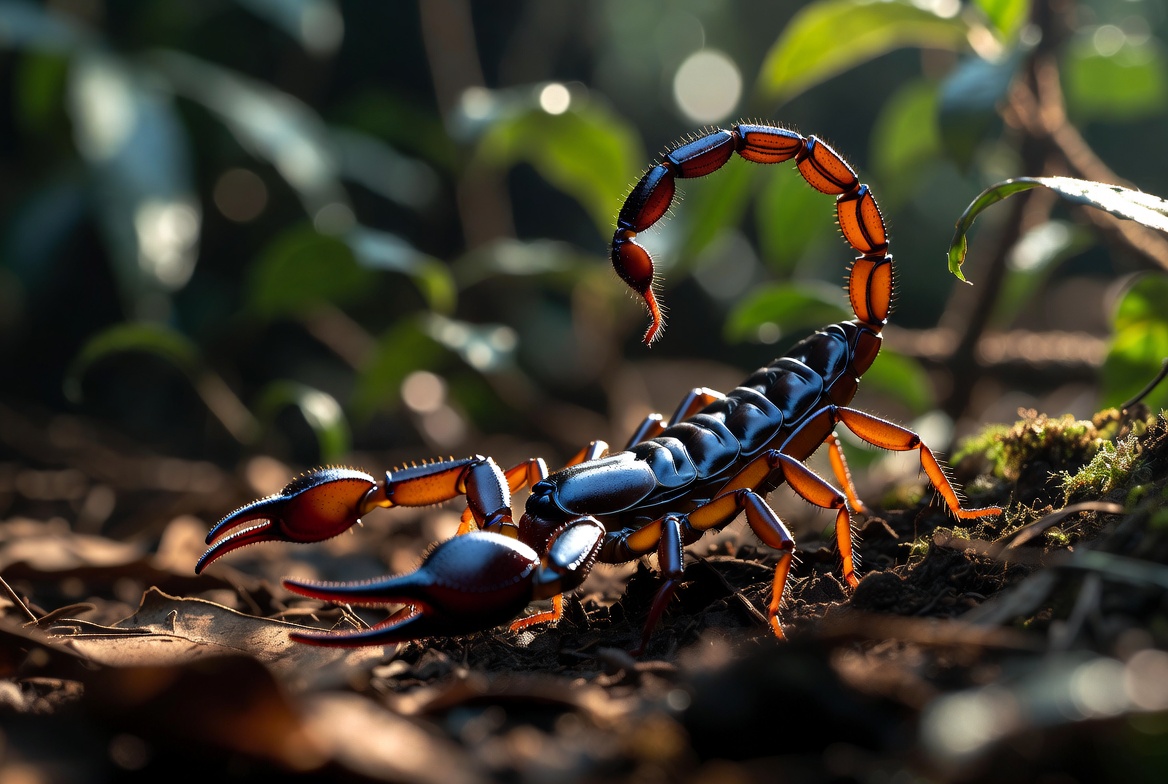
The emperor scorpion is one of the largest scorpion species in the world and the most widely kept scorpion as a pet. Native to the tropical rainforest and savanna of West Africa, they are surprisingly mild-mannered compared to many smaller species. Their venom is relatively weak for their size.
📋 Quick Facts
Native Range
West Africa (Senegal, Guinea-Bissau, Ghana, Nigeria, Togo, Benin)
Natural Habitat
Tropical rainforest and savanna
Adult Size
7-8 inches (18-20 cm)
Wild Diet
Insects, worms, small lizards, and small mammals
Wild Lifespan
Not documented in the wild, and likely shorter there; 5 to 8 years in captivity
Conservation Status
Appendix II (CITES)
📜 History
Carl Ludwig Koch described the species in 1842. Collection for the pet trade eventually drew in regulators, and it was placed on CITES Appendix II, a rare step for an arachnid and rarer still for a scorpion. The permits that came with the listing turned the trade into a matter of public record: Benin's quota for 2001 alone ran to 42,781 ranched specimens, and Togo was allotted 13,500 ranched plus 1,000 taken from the wild. Ranching, in which gravid females are collected and their young reared for export, has been the main legal supply route out of West Africa ever since.
⚖️ Compare
Emperor Scorpion
Human
Adult Size
7-8 inches (18-20 cm)
5-6 feet (150-185 cm); ~135-200 lbs
Wild Lifespan
Not documented in the wild, and likely shorter there; 5 to 8 years in captivity
~73 years (global average)
Wild Diet
Insects, worms, small lizards, and small mammals
Omnivorous - eats just about anything
Native Range
West Africa (Senegal, Guinea-Bissau, Ghana, Nigeria, Togo, Benin)
Global - originated in Africa roughly 300,000 years ago
Natural Habitat
Tropical rainforest and savanna
Everywhere from arctic tundra to tropical megacities
Conservation Status
Appendix II (CITES)
Least Concern (8+ billion and counting)
🧠 Test Yourself
What's the Emperor Scorpion's native range?
⚖️ Where it is legal
10 US jurisdictions restrict this species, from outright bans to permits. Every one quotes the rule it comes from.
⚖️ Legal Guide
Subscribe - it's free
New animal facts and care guides straight to your inbox. No spam. 🐾
📰 Deep Dive
🦂 How Much Does an Emperor Scorpion Really Cost?
🦂 Should You Handle an Emperor Scorpion? Rarely, and Carefully
🦂 Common Emperor Scorpion Health Issues and What Causes Them
🦂 Emperor Scorpion Enclosure Setup: Deep Substrate, High Humidity, No UVB
🦂 Emperor Scorpion Feeding: Schedule, Diet, and Why Fasting Is Normal
🦂 Emperor Scorpion Enrichment: One of the Few You Can Keep in a Group
🩺 Health and More
☠️ Household Pesticides and Your Invertebrate Pet: The Hidden Hazard
📦 Rehousing an Invertebrate: Method, Timing, and Urticating Hair First Aid
🕷️ Invertebrate Housekeeping: Quarantining a New Arrival, Cleaning the Enclosure, and Finding an Escapee
📦 Invertebrate Emergency Plan: Power Outages, Travel, and Shipping
🎭 Four Pets People Get Wrong Before They Even Bring One Home
🕷️ Tarantula vs. Emperor Scorpion: Which Invertebrate Actually Fits You
🤓 Did You Know?
Scorpions molt an average of five times before reaching maturity, and there are no reports of one molting after it. An adult emperor scorpion bought at full size has finished molting for good.
Explore More