Reptile Awareness Day Has No Founder Anyone Can Name
On This Page▾

There are more than 10,000 reptile species, and until 2022 nobody knew how many of them were in trouble. Birds had been comprehensively assessed. So had mammals and amphibians. Reptiles, the largest of those four groups by species count, had never been done.
The day named after them has a matching gap. Nobody can say where it came from.
The Origin Nobody Has
Reptile Awareness Day is 21 October. That much is settled: it has been observed on that date consistently for well over a decade, and no competing date circulates.
Everything behind the date dissolves when you push on it. No charity registered it. No herpetological society claims to have founded it. No government proclamation created it. The accounts that name a founding year tend to name 2010, and none of them cite anything, which is the signature of a number that entered circulation by being repeated.
The earliest solid traces are promotion by reptile publications and conservation groups picking the date up rather than announcing it. That is a real finding, and it is worth stating instead of papering over. A day that materialised without an owner is a different thing from World Wildlife Day, which has a UN resolution and a date chosen for the signing of CITES, and pretending otherwise makes the calendar look more organised than it is.
It also means no one is steering it. There is no annual theme and no campaign, so what the day is for is decided by whoever picks it up that year.
What It Would Be For, If Anyone Were Steering
The case that needs making is straightforward, and it arrived in a Nature paper in 2022.
A team of more than 900 scientists assessed 10,196 reptile species for the IUCN Red List, the first time the group had been covered comprehensively. They found at least 21% threatened with extinction, which is 1,829 species. The assessment took roughly 15 years.
Two things in it are worth carrying. The first is that if every threatened reptile were lost, the paper puts the combined evolutionary history going with them at 15.6 billion years. The second is that the threats are unglamorous: agriculture, logging and urban development, in that order. Not collection, not persecution, and not the reptile trade, though all three matter locally.
The practical consequence is that reptiles largely benefit from habitat protection aimed at other things. Land set aside for birds and mammals turns out to have been protecting the reptiles living in it, which is fortunate, because almost nothing was ever set aside for the reptiles themselves.
The Reputation Problem
The reason reptiles get counted last is not scientific. It is that people do not like them, and conservation funding tracks public affection closely.
Most of what the public believes about them is also wrong in the same direction, which does not help. A chameleon does not change color to match its background, it signals mood and temperature. A constricting snake does not crush or suffocate anything, it stops blood flow, and the distinction matters to anyone deciding how frightened to be. Every one of those corrections makes the animal less monstrous and slightly more fundable.
There is also a scale problem the day never mentions. The most spectacular reptiles are not the threatened ones. The gaboon viper is doing fine. The species carrying the extinction risk are small, brown, restricted to one hillside or one island, and have no common name in English.
Marking It
With no organizer, there is no correct way to observe it and no theme to follow.
The version with the clearest effect is local, and specifically native. Reptile awareness has been dominated for years by captive-keeping content, which is useful to keepers and does approximately nothing for the 1,829 species in the assessment. The animals that stand to gain are the ones in the field margin at the end of the road, in a group nobody counted until four years ago.
Sources & Further Reading
4 sources
- Cox, N. et al., "A global reptile assessment highlights shared conservation needs of tetrapods", Nature 605:285-290 (2022)
- More Than One in Five Reptile Species are Threatened with Extinction, IUCN
- Comprehensive Study of World's Reptiles, NatureServe
- National Reptile Awareness Day, Amphibian and Reptile Conservancy
❓ Frequently Asked Questions
When is Reptile Awareness Day?
21 October, every year. It is a fixed date and has been observed on it consistently, even though no organization has ever claimed to have set it.
Who founded Reptile Awareness Day?
Nobody documented. No charity, agency or society claims it, and the earliest solid traces are promotion by reptile publications and conservation groups rather than any founding announcement. Accounts that name a founder or a first year do not cite anything.
How many reptile species are threatened with extinction?
At least 21%. The first comprehensive assessment, published in Nature in 2022, covered 10,196 species and found 1,829 of them threatened. Habitat loss from agriculture, logging and urban development is the largest driver.
Why did reptiles get assessed so late?
Money and attention. Birds, mammals and amphibians were assessed comprehensively years earlier. The reptile assessment took more than 900 scientists roughly 15 years to complete and was published in 2022.
Written by Michael Ryan
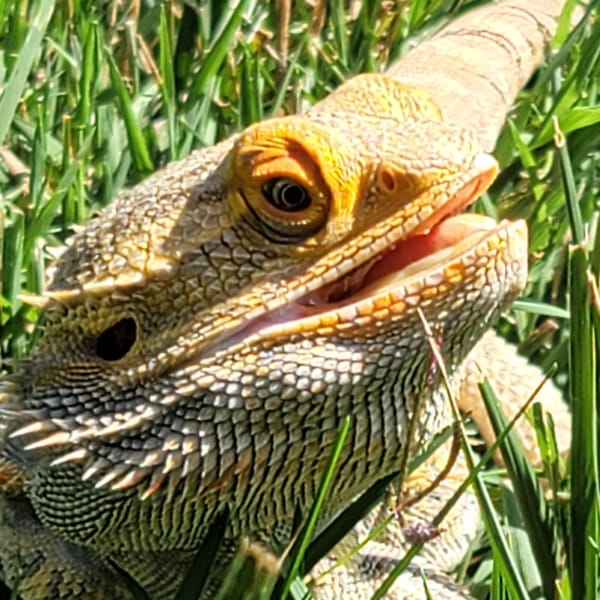
Mike keeps two rescued bearded dragons, Dex and Cera, and writes the care guides on BeastlyFacts from his own research and mistakes. He is not a veterinarian.
More about Michael Ryan →Comments
No comments yet - be the first!