Tarantula
Various
On This Page▾
🌍 Overview
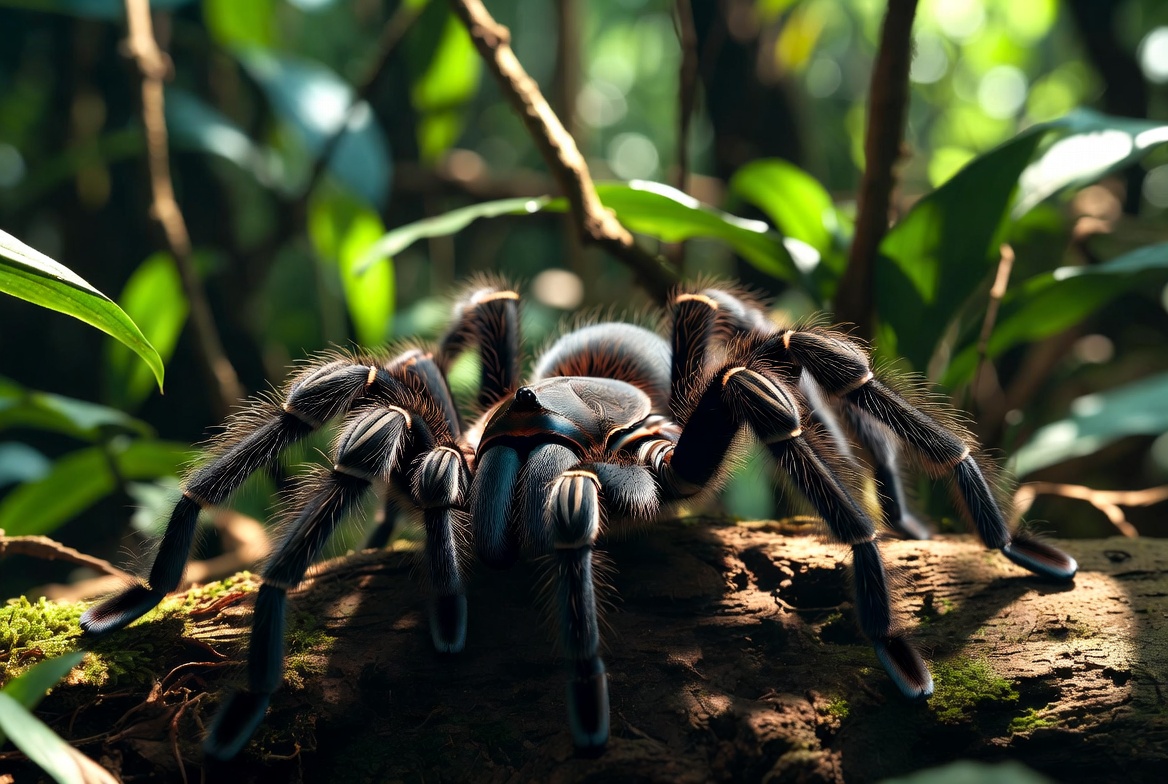
Tarantulas are the largest spiders on Earth, with over 900 recognized species found on every continent except Antarctica. New World species (Americas) are generally docile with mild venom; Old World species (Africa, Asia) are faster, more defensive, and pack a medically significant bite. All tarantulas are fascinating, low-maintenance pets that require minimal daily care and offer a unique window into spider behavior and biology.
📋 Quick Facts
Native Range
Worldwide (tropics and subtropics); diverse origins by species
Natural Habitat
Varies by species - desert, grassland, tropical rainforest, and arboreal canopy
Adult Size
2-12 inch leg span depending on species
Wild Diet
Insects, small lizards, frogs, mice, and birds (large species)
Wild Lifespan
5-30 years; females live far longer than males
Conservation Status
Varies; many species listed in Appendix II (CITES); some Endangered
📜 History
The family's regulatory history starts in 1985, when the Mexican redknee became the first spider of any kind listed by CITES, after wild collection for the pet trade had been running into the thousands a year. The rest of the genus Brachypelma followed onto Appendix II in 1994. The next major step came in 2019, when the parties added all fifteen Asian ornamental tarantulas in the genus Poecilotheria, whose United States imports had climbed from about 2,700 specimens across 1995 to 1999 to more than 16,500 across 2013 to 2017. Both listings followed one pattern: a spider becomes fashionable, wild populations are stripped to supply the demand, and regulation arrives afterward.
⚖️ Compare
Tarantula
Human
Adult Size
2-12 inch leg span depending on species
5-6 feet (150-185 cm); ~135-200 lbs
Wild Lifespan
5-30 years; females live far longer than males
~73 years (global average)
Wild Diet
Insects, small lizards, frogs, mice, and birds (large species)
Omnivorous - eats just about anything
Native Range
Worldwide (tropics and subtropics); diverse origins by species
Global - originated in Africa roughly 300,000 years ago
Natural Habitat
Varies by species - desert, grassland, tropical rainforest, and arboreal canopy
Everywhere from arctic tundra to tropical megacities
Conservation Status
Varies; many species listed in Appendix II (CITES); some Endangered
Least Concern (8+ billion and counting)
🧠 Test Yourself
What's the Tarantula's native range?
⚖️ Where it is legal
11 US jurisdictions restrict this species, from outright bans to permits. Every one quotes the rule it comes from.
⚖️ Legal Guide
Subscribe - it's free
New animal facts and care guides straight to your inbox. No spam. 🐾
📰 Deep Dive
🕷️ How Much Does a Tarantula Really Cost?
🕷️ Should You Handle a Tarantula? Almost Always, No
🕷️ Common Tarantula Health Issues (Prevention Matters More Than Treatment)
🕷️ Tarantula Enclosure Setup: Shape, Substrate, and a Humidity Debate
🕷️ Tarantula Feeding: Schedule, Diet, and Why They Stop Eating
🕷️ Tarantula Enrichment: The Spider Sat Still in Both Enclosures
🩺 Health and More
🕷️ Invertebrate Molting 101: What's Normal, Species by Species
☠️ Household Pesticides and Your Invertebrate Pet: The Hidden Hazard
📦 Rehousing an Invertebrate: Method, Timing, and Urticating Hair First Aid
🕷️ Invertebrate Housekeeping: Quarantining a New Arrival, Cleaning the Enclosure, and Finding an Escapee
📦 Invertebrate Emergency Plan: Power Outages, Travel, and Shipping
🔑 Four Pets With One Rule Each Worth Knowing First
🤓 Did You Know?
Tarantulas can live extraordinarily long lives. Females of some species (like the Mexican Red Knee) can live 25 to 30 years in captivity, while males rarely live past 10. A female tarantula may outlive your dog.
Explore More