Leaf-Tailed Gecko
Uroplatus spp.
Beastly Facts · Updated
On This Page▾

Overview
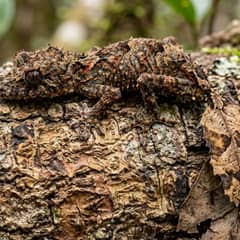
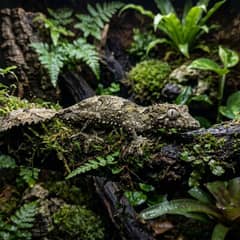
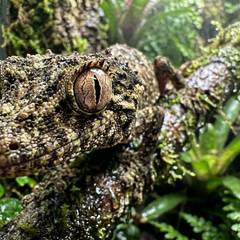
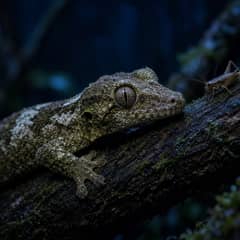
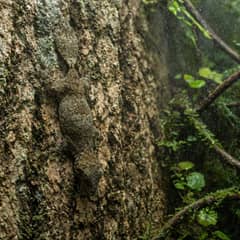
Madagascar's leaf-tailed geckos are masters of camouflage, with flattened bodies and leaf-like tails that make them virtually invisible against tree bark and fallen leaves. The genus contains over 15 species ranging from the massive Uroplatus fimbriatus to the tiny U. ebenaui. All are nocturnal ambush predators endemic to Madagascar's increasingly fragmented forests.
Quick Facts
Native Range
Madagascar
Natural Habitat
Tropical rainforest and coastal forest
Adult Size
2.5-12 inches (6-30 cm) depending on species
Wild Diet
Insects, snails, and small invertebrates
Wild Lifespan
5-10 years
Conservation Status
Ranges from Least Concern to Endangered depending on species (IUCN)
History
André Marie Constant Duméril erected the genus in 1806. Protection came from the range state itself: Madagascar submitted the technical case for including the whole genus on CITES Appendix II in 2004, and WWF has since flagged leaf-tailed geckos among the animals most exposed to illegal wildlife trade. The taxonomy is far from settled, and new species keep emerging from surveys of the remaining forest, including Uroplatus finaritra from Marojejy National Park in the northeast. The count of recognized species has climbed even as the forest holding them has shrunk.
Compare
Leaf-Tailed Gecko
Human
Adult Size
2.5-12 inches (6-30 cm) depending on species
5-6 feet (150-185 cm); ~135-200 lbs
Wild Lifespan
5-10 years
~73 years (global average)
Wild Diet
Insects, snails, and small invertebrates
Omnivorous - eats just about anything
Native Range
Madagascar
Global - originated in Africa roughly 300,000 years ago
Natural Habitat
Tropical rainforest and coastal forest
Everywhere from arctic tundra to tropical megacities
Conservation Status
Ranges from Least Concern to Endangered depending on species (IUCN)
Least Concern (8+ billion and counting)
Test Yourself
What's the Leaf-Tailed Gecko's native range?
Fun Facts
🦎 Gecko Toe Magic
Geckos can walk on walls thanks to millions of tiny hair-like structures on their toes called setae. Each foot has about 500,000 of them, using molecular forces to stick to surfaces!
🦎 Climbing the Walls
Geckos have millions of microscopic hairs on their feet that allow them to stick to even molecularly smooth surfaces! This amazing ability comes from van der Waals forces, making them one of nature's great climbers.
Subscribe - it's free
New animal facts and care guides straight to your inbox. No spam.
Deep Dive

Health and More









Did You Know?
Satanic leaf-tailed geckos (Uroplatus phantasticus) look exactly like dead, decaying leaves, right down to the 'bite marks' and brown patches on their edges!
Explore More