Cat Hairballs vs. Vomiting: When It's Actually a Problem
On This Page▾

"It's just a hairball" gets used as an explanation for almost anything a cat brings up, and that habit causes real problems that could otherwise be tracked down and treated. Plenty of what owners write off as a hairball is true vomiting that happens to contain some fur along with everything else. Knowing the difference is worth learning.
What a Hairball Is
Cats swallow loose fur constantly while grooming, and most of it passes through the digestive tract and out the other end without issue. A hairball forms when enough fur accumulates in the stomach to compact into a cylindrical wad that the cat can't pass normally, so it comes back up instead. The shape matters here: a genuine hairball is tube-like because it's been compressed on its way through the esophagus, not a shapeless puddle.
The tube shape of a typical hairball isn't random - it's compacted by the esophagus on the way up, which is exactly why a real hairball looks so different from a puddle of regular vomit once it's out.
Hairball or Vomiting? The Differences
| Sign | Hairball | True Vomiting |
|---|---|---|
| Appearance | Compact, tube-shaped wad of fur | Liquid, foam, or partially digested food |
| Frequency | Occasional, roughly every 1-2 weeks | Can recur several times in a day |
| Behavior right after | Acts completely normal | May seem lethargic or uninterested in food |
| Other symptoms | None | Often paired with diarrhea, weight loss, or appetite change |
If what your cat brings up is a compact, tube-shaped wad of fur, it happens roughly once every one to two weeks or less, and your cat is acting totally normal right after, that's a textbook hairball. No vet visit needed, just stay consistent with brushing and make sure fiber and water intake are adequate.
What Causes Frequent Hairballs
A cat bringing up hairballs more than once a week isn't just "a hairy cat" - something is usually driving it. Excess shedding or over-grooming from stress, allergies, or fleas increases how much fur gets swallowed in the first place, and boredom is an underrated driver of that grooming loop, which our guide on why cats need mental enrichment covers in detail. Low dietary fiber makes it harder for fur to move through the gut normally once swallowed. And in some cases, an underlying condition that slows gut motility overall - not unlike what drives digestive issues in other species - is quietly behind the pattern rather than the fur itself being the problem.
When It's Vomiting, Not a Hairball
The presence of fur in what a cat brings up doesn't automatically make it a hairball. A cat that's vomiting from an unrelated cause - a food sensitivity, inflammatory bowel disease, or a systemic illness like hyperthyroidism - may still bring up some incidental fur along with stomach contents, which gets misread as "just a hairball" when it's really vomiting with a coincidental amount of hair mixed in. Frequency, accompanying symptoms, and how the cat acts afterward matter far more than whether fur was visible.
Do Hairball Remedies Help?
Fiber-supplemented hairball formulas and lubricant gels can genuinely reduce hairball frequency by helping fur move through the digestive tract instead of accumulating. They're a reasonable first step for an otherwise healthy cat with mild, occasional hairballs. What they won't do is fix an underlying medical cause - if a cat is still bringing up hairballs weekly after a few weeks of consistent use, that's a sign to see a vet rather than switch to a different bag of treats.
When to See a Vet
Frequent hairballs on their own can often be managed with more grooming, more fiber, and patience. But any of the following warrants an actual exam rather than another home remedy: hairballs more than once a week, weight loss, appetite changes, diarrhea, or vomiting episodes that never actually produce a hairball. Bloodwork and an exam can catch conditions like inflammatory bowel disease or hyperthyroidism early, well before they become harder to manage.
If vomiting is happening more than once a week, doesn't come out as a compact fur tube, or shows up alongside weight loss, appetite changes, or diarrhea, treat it as true vomiting instead of a hairball. Those are exactly the patterns that point toward inflammatory bowel disease, hyperthyroidism, or another underlying condition, and they're worth an actual exam and bloodwork rather than another bag of hairball treats.
The Simple Fix for Most Cases
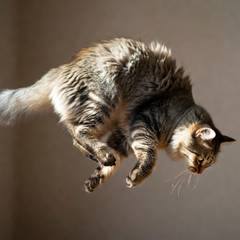
Regular brushing reduces how much loose fur a cat swallows in the first place, which is often the single biggest lever an owner actually controls. Combined with adequate dietary fiber and fresh water, that alone resolves the majority of mild, occasional hairball cases without needing any specialty product at all. For more on the species, see the Domestic Shorthair encyclopedia profile, or browse the rest of our Cats care guide category. A cat's other reflexes are considerably more elegant than this one: the same animal coughing up a hairball on your rug can also reliably land on its feet mid-fall in well under a second.
Sources & Further Reading
Last reviewed 8 Jul 2026 · 2 sources
- Cornell Feline Health Center: A Hairy Dilemma; Vomiting; Inflammatory Bowel Disease
- VCA Animal Hospitals: Trichobezoars (Hairballs) in Cats
Frequently Asked Questions
How often is it normal for a cat to bring up a hairball?
Roughly once every one to two weeks for a healthy shorthair cat is generally within normal range, and long-haired breeds may run a bit more often given how much more fur they swallow while grooming. More than once a week is a signal that something else is going on, not just a side effect of being a cat.
How can I tell a hairball apart from regular vomiting?
A hairball is usually preceded by repeated retching or hacking, produces a compacted tube-shaped wad of fur, and the cat typically acts completely normal right after. True vomiting tends to bring up liquid or food, can recur multiple times in a short period, and is often paired with lethargy, appetite loss, or diarrhea - those accompanying signs are the tell, not just the texture of what came up.
What causes frequent hairballs?
Excess shedding or over-grooming from stress, allergies, or fleas is one common driver. Inadequate fiber to help fur pass through the gut normally is another. And sometimes frequent hairballs are a symptom of an underlying issue slowing gut motility overall, rather than a coincidence of simply being a cat that grooms a lot.
Do hairball remedies and special food work?
Fiber-supplemented hairball diets and lubricant gels can help fur move through the gut, and they're reasonable to try. But they don't address an underlying cause like a food sensitivity or a thyroid issue - if frequency doesn't improve within a few weeks of consistent use, the remedy is masking a symptom rather than solving the actual problem.
When should frequent hairballs prompt a vet visit?
More than once a week, any accompanying weight loss, appetite change, or diarrhea, or vomiting that produces no hairball at all - these combinations point toward inflammatory bowel disease, food sensitivities, or hyperthyroidism rather than normal grooming, and are worth bloodwork and an exam rather than another bag of hairball treats.
Recommended Gear
As an Amazon Associate, we earn from qualifying purchases through the links above - at no extra cost to you.

Written by Michael Ryan
Mike keeps two rescued bearded dragons, Dex and Cera, and writes the care guides on BeastlyFacts from his own research and mistakes. He is not a veterinarian.
More about Michael Ryan →